Child brain research centre in Barcelona
Treating ADHD
in children and teenagers
We find exactly where your child's attention and self-regulation break down, and build a programme around that profile. Assessment, therapy and work on school performance in one centre.
We call back within an hour during working hours and tell you whether an assessment is needed.


From age 3in English, Spanish and Russian

A full team in one placeNeurologist, psychiatrist, neuropsychologist and speech therapist under one roof
A programme built for your childWe run QEEG, tests and scales first, and only then design the programme

We work on school performanceWe write the teacher a sheet of concrete recommendations
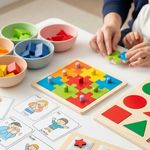
Sessions that feel like playChildren get involved on their own, without being talked into it

Three languagesThe team speaks English, Spanish and Russian. Documents are handed over in the language you need
Sound like your week?
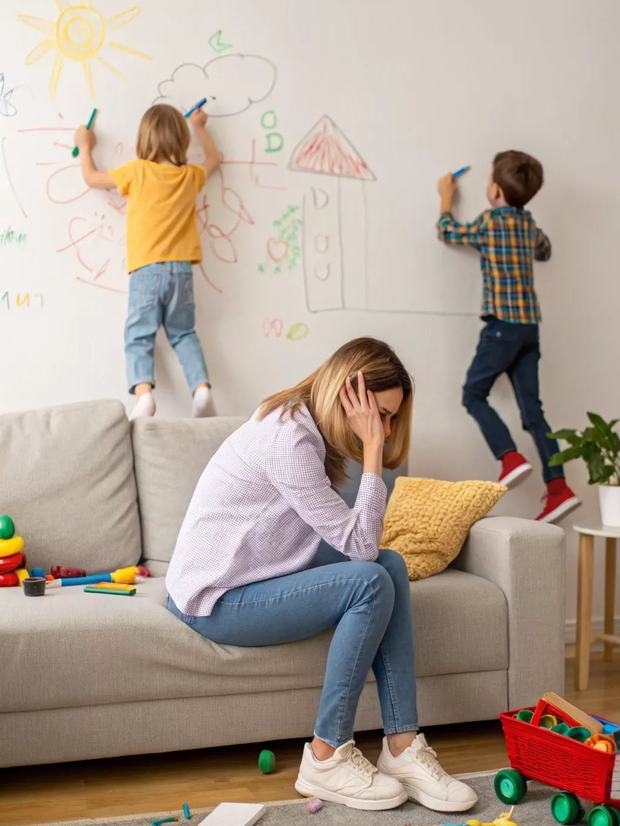
You repeat every request twenty times
He agrees, sets off to do it, and a minute later he is busy with something else. This is not stubbornness or personality. If you recognised your family in two or three points, it is worth coming in.
ADHD shows up in at least two settings at once — at home and at school.

🧒
Preschoolers
ages 3–6
- runs wall to wall at home, impossible to put to bed
- a game lasts three minutes, then it's on to the next one
- at nursery they meet you at the locker with another complaint
- falls, bumps into things, comes home with a new bruise
- two coaches have already refused to work with him

🎒
Primary school
ages 7–11
- you do homework together, with him dancing on the chair
- cannot stay in his seat during a lesson
- you went through the poem twenty times, a minute later it's gone
- the diary is at home, the notebooks at school, the pens nowhere
- no friends in class, although he badly wants them
🎧
Teenagers
ages 12 and up
- sits down to homework at eleven at night
- hands homework in late, and you hear about it from the teacher
- says about himself that he is stupid and lazy
- flares up instantly, takes an hour to calm down
- anxiety and low mood have appeared alongside
We can definitely help if
- complaints about behaviour come from both home and school
- a diagnosis was made but nobody gave you a clear plan of action
- you've been on medication for a year and see no change
- the child is smart, but schoolwork is falling apart
- you were told "just be stricter" and that was the end of it
You're probably better off elsewhere
- the child is under three
- you only need a school note without an assessment
- you're looking for one shot or one course of drips that fixes everything
- the child's condition needs emergency help right now
- you're not ready to take part yourselves and want to leave the child to specialists
Not ready to book yet?
Take our checklist of ADHD signs by age. Ten minutes at home and you will know whether to book. It also includes the questions worth asking a specialist at the first appointment.
📅 Book a consultation
Why parents choose us
Stricter has been tried. It got worse
A child with ADHD knows the rules and wants to follow them. Ten seconds later the request is gone from his head. The brain areas responsible for inhibition and holding a goal mature more slowly. That is why punishment works for two days and then rebounds, while the child learns one thing — that he is bad.
We look for the causeWe verify the diagnosis itself and look for what comes with it
We train what lags behindPlanning, inhibition, working memory, sense of time
We train the adults aroundParents and teachers, because the child does not only live in our consulting room
We measure our own resultsThe same scales as at intake, measured every 8–12 weeks
Our equipment
What we assess with and treat with
All the equipment is in one clinic. Nobody has to drive the child anywhere, and we prepare him for the brain check so that he wants to do it himself. Below is what each device shows and how it looks and feels for a child.
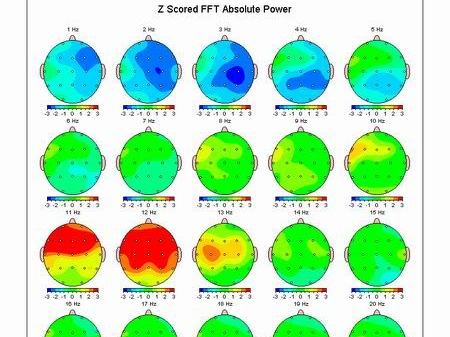
Assessment
QEEG and brain mapping
Shows which areas struggle with holding attention and self-regulation. Without it, a neurofeedback protocol is chosen blindly.
- A cap with sensors, the child watches a screen
- No current is applied, nothing is felt
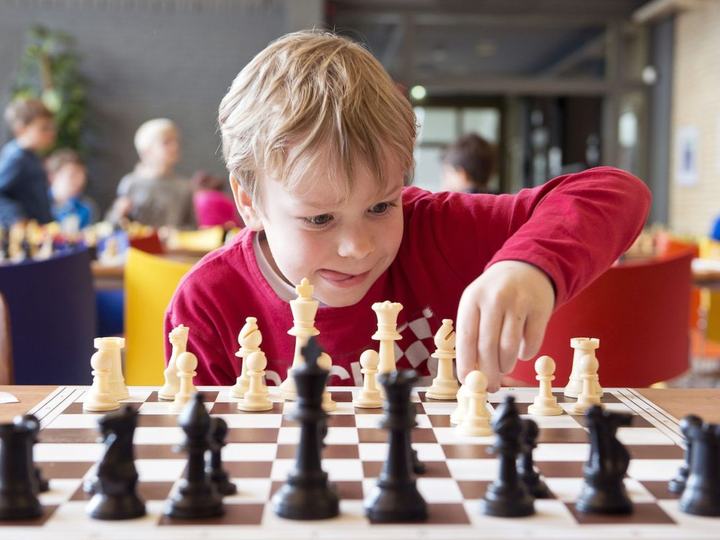
Therapy
Neurofeedback
The child plays while the picture responds to his brain state. A focused state moves the game forward, a scattered one stops it. The brain learns to recognise the right mode and switch it on by itself.
- For the child it is a computer game

Therapy
VR attention training
A virtual classroom where distractions are dosed precisely — noise, movement, other voices. The child learns to hold a task in the conditions waiting for him at school.
- The headset is light, the session is short
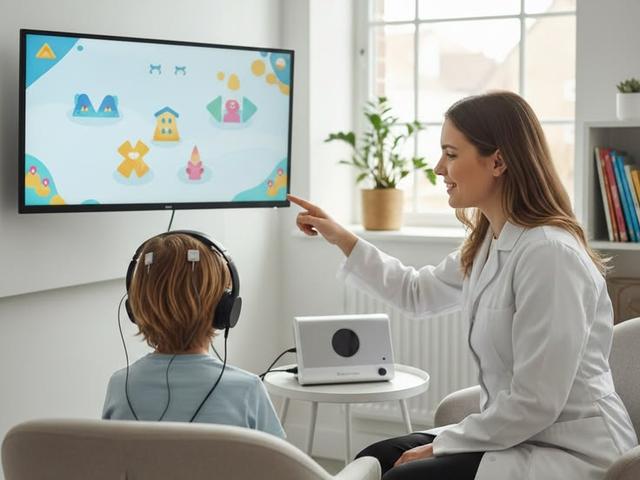
tDCS
A weak direct current makes the target area of the cortex more responsive to training, so attention and self-control sessions progress faster. Used alongside the sessions and only as prescribed by a doctor.
- A light tingling for the first seconds, after that the child feels nothing
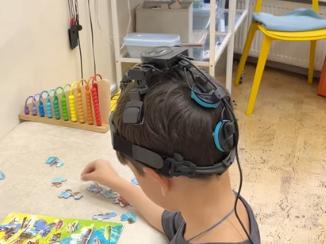
Cognitive behavioural therapy (CBT)
A talking therapy with proven effectiveness. The child learns to notice his thoughts and reactions and to choose a different response instead of the usual one. It helps when anxiety, angry outbursts and low self-esteem come alongside ADHD.
- A session is conversation and play, with no devices

Laboratory
We check which deficiencies your child has. ADHD most often comes alongside low iron and ferritin, zinc, omega-3 and vitamin D. We also check the thyroid — these conditions produce the same picture as ADHD.
- One blood draw covers all of it
Our centre
What our clinic looks like and where we are
KidiMind is a centre for children's brain and mental health in Barcelona. The rooms are designed for children who find it hard to sit still.
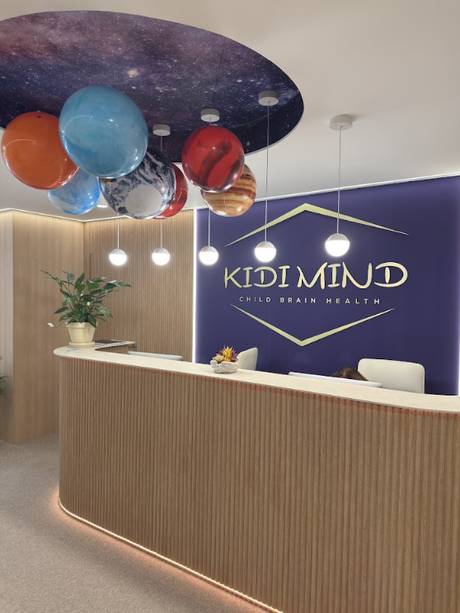
Reception
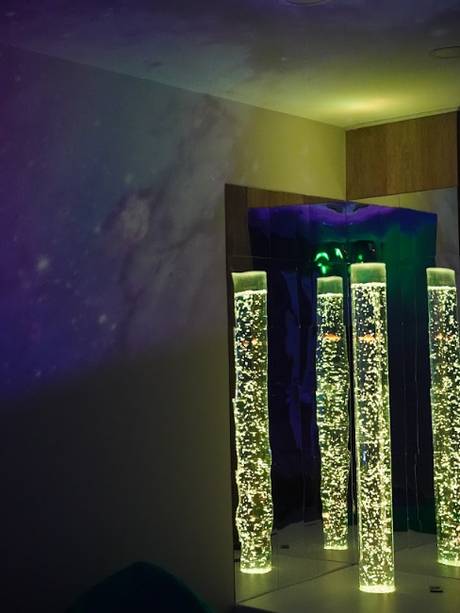
Sensory room
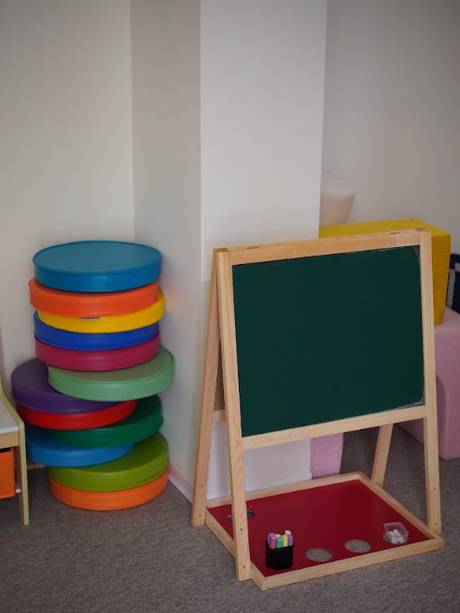
Activity area
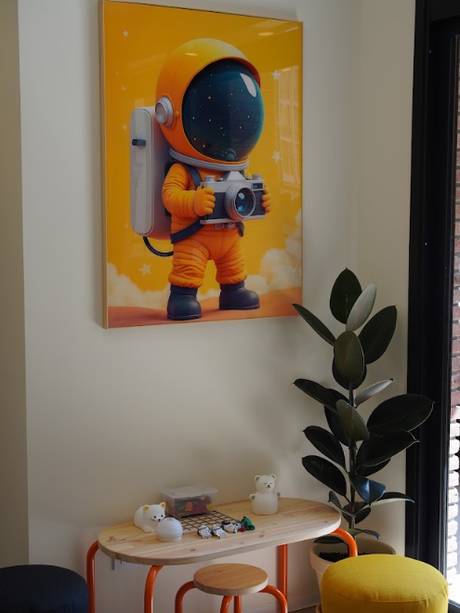
Play corner in the waiting area
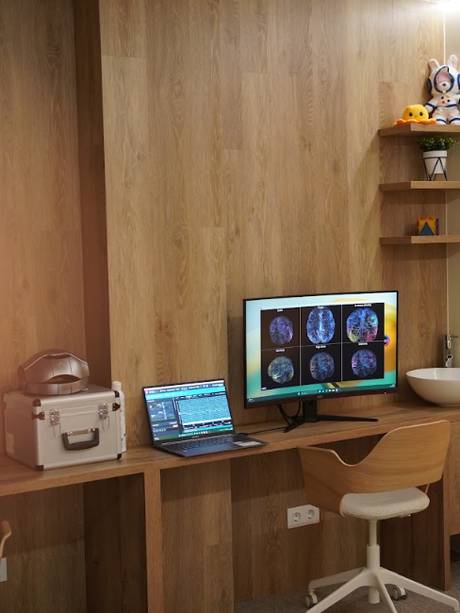
Brain assessment room
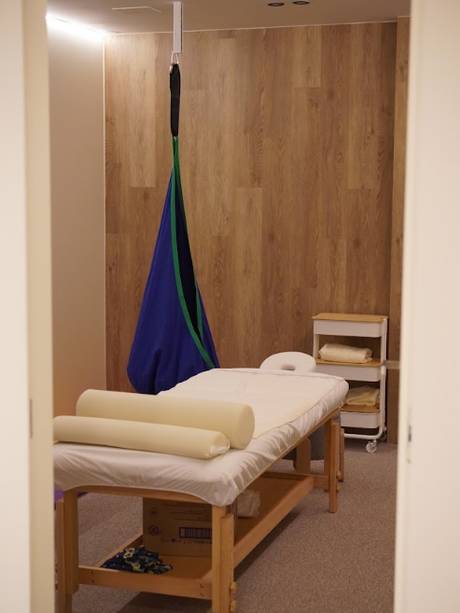
Body therapy room
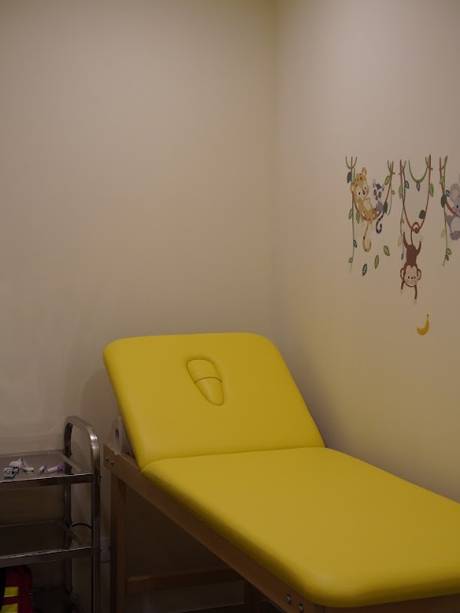
Examination room
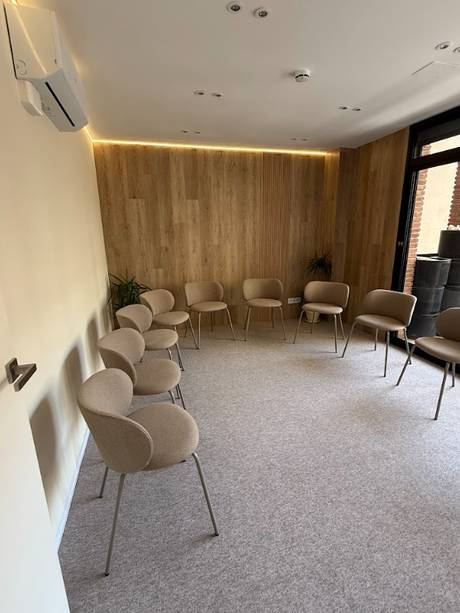
Group meeting room
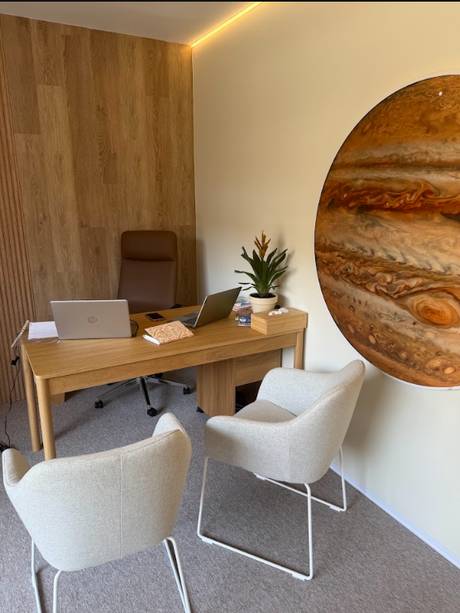
Doctor's office
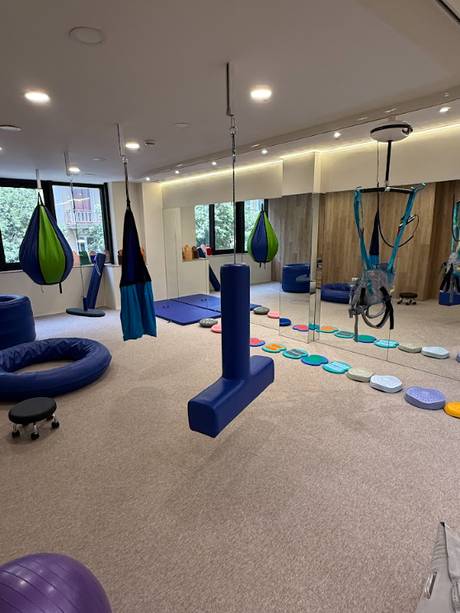
Sensorimotor integration room


Carrer de Viladomat 135, 1-1, Eixample, 08015 Barcelona
We are open Monday to Friday, 10:00 to 18:00.
The centre is in a quiet part of Barcelona, a short walk from the metro. Easy access for families, step-free access for children with reduced mobility, parking nearby.
Parents' questions
What we are asked most often
We were told it is about parenting. Is that true?

Parenting affects how a child lives with his traits. On its own it does not create ADHD.
Who makes the diagnosis, a neurologist or a psychiatrist?
A doctor who specialises in ADHD. Here the report is prepared by the team, based on the criteria, the developmental history, behaviour in at least two settings and the exclusion of similar conditions.
From what age do you see children?
Symptoms usually become visible at 4–6, sometimes earlier. A preschool diagnosis is made cautiously, but help can start earlier than the diagnosis.
Will you prescribe pills straight away?
No. Assessment comes first. With preschoolers the work starts with behavioural methods and parent training. For many children the programme works without medication. The doctor decides case by case.
My daughter is not hyperactive, she just daydreams
That is for us. The inattentive type is more common in girls and goes unnoticed until secondary school, because these children disturb nobody.
My child will not sit through an assessment. He cannot sit for five minutes
We know that and we plan for it. The assessment is split into short blocks with movement in between, and the parent stays nearby. No child sits with us for forty minutes straight.
We have been on medication for a year with no effect
A common story. Between 65 and 80% of children with ADHD have at least one more condition — anxiety, learning difficulties, deficiencies, sleep problems. We start by checking the diagnosis and looking for what comes with it.
How is neurofeedback different from sessions with a psychologist?
A psychologist works through conversation and behaviour. Neurofeedback works through game feedback from the brain's electrical activity — the child learns to recognise the focused state and switch it on himself. It runs as part of the programme.
Can ADHD go away on its own with age?
Hyperactivity usually smooths out by adolescence. Distractibility, impulsivity and difficulties with self-organisation remain for most and keep getting in the way at school, in relationships and in adult life.
How much does the assessment cost?
It depends on the scope. The simplest entry point is the basic clinical and neuropsychological block. Prices are listed in the Prices section.