


From in-depth assessment to comprehensive therapy - all under one roof.
Autism Treatment for Children in Barcelona
KidiMind is a Barcelona-based center that approaches children with autism spectrum disorder (ASD) not as "behavioral cases," but as individuals with complex neurodevelopmental profiles. Our multidisciplinary team - comprising neurologists, psychologists, speech therapists, rehabilitation specialists, and nutritionists - collaborates on a single, fully coordinated care plan tailored to each child.
Autism Spectrum Disorder is a neurodevelopmental condition
Autism Spectrum Disorder (ASD, or autism) is a group of neurodevelopmental conditions characterized by differences in social communication, social interaction, and behavior. Sensory processing differences are common, along with challenges in emotional regulation, speech, adaptation, sleep, and feeding.
ASD is not an illness that can be "treated with a pill." It is a neurodevelopmental difference - and one that can and should be supported through early, systematic, team-based intervention. The earlier support begins, the wider the window of neuroplasticity, and the more lasting the outcomes.
International clinical guidelines (DSM-5, ICD-11, AAP) emphasize the importance of multidisciplinary assessment, coordinated case management, and whole-family support - rather than working with the child in isolation.
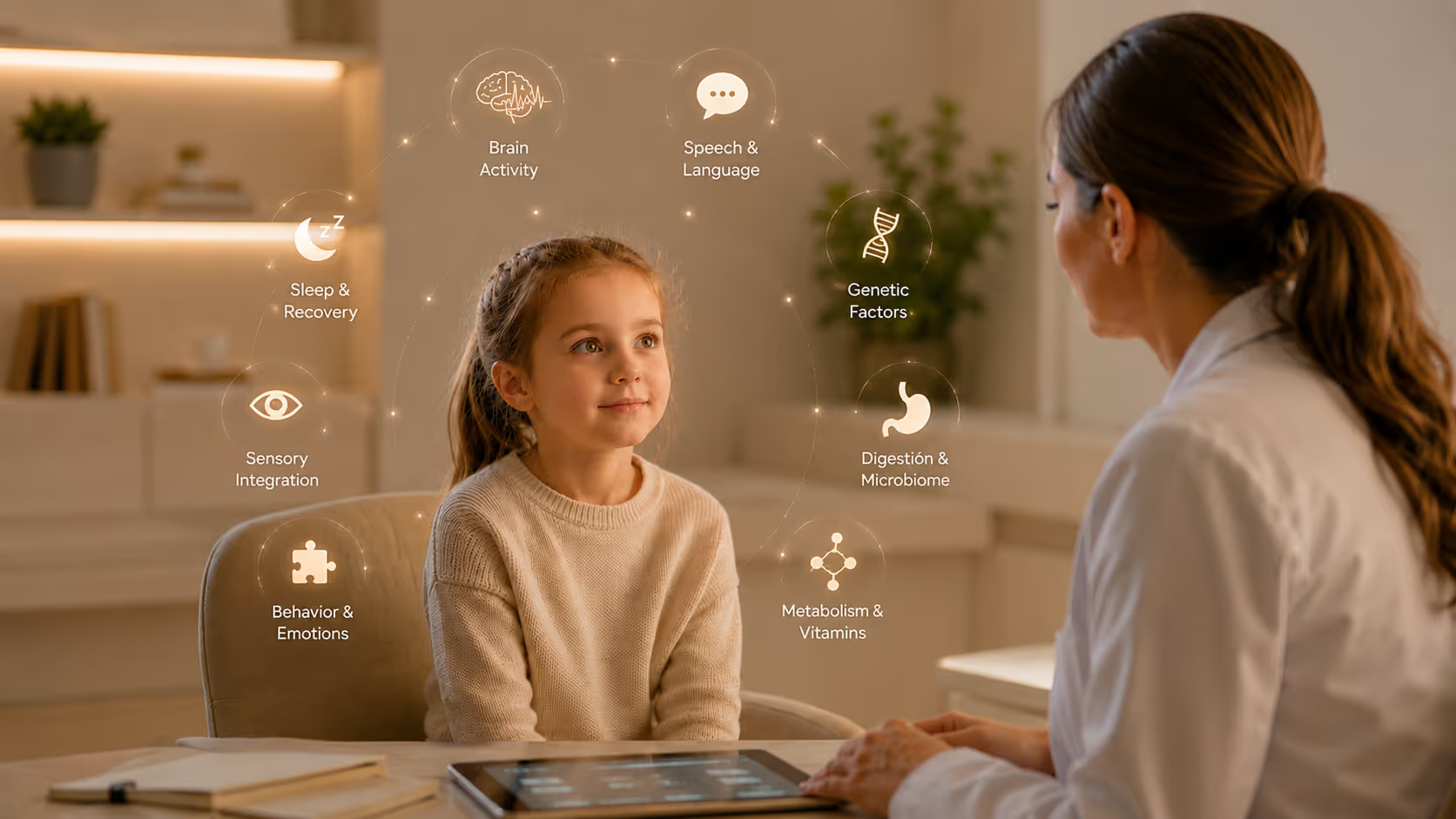

Signs of Autism in Children by Age
These signs are not a diagnosis - but they are a reason to seek a professional evaluation. If you notice one or two signs, keep an eye on them. If several appear together, schedule a consultation.

Under 18 months
- Doesn't respond to their name
- Doesn't point to objects or share interest
- Rarely shares eye contact or emotional expressions
- Smiles back less often than expected
- Shows little interest in simple interactive games (like peek-a-boo)
- Avoids or limits eye contact


18–36 months
- No phrase speech by 24 months, or loss of previously acquired words
- Lack of pretend or imitative play
- Repetitive movements (rocking, hand-flapping)
- Strong preferences or aversions to certain foods, textures, or clothing
- Intense reactions to sounds, lights, or tactile sensations
- Difficulty transitioning between activities

Age 3–6 and older
- Struggles to connect or play with peers
- Highly focused, narrow interests
- Rigidity around routines; distress when plans change
- Tends to interpret language literally
- Finds it hard to recognize or understand others' emotions
- Challenges adapting to school or social settings
Take the first step
Book an initial consultation. In a single session, we'll gather your child's history, outline working hypotheses, and explain the support pathway that fits your child's unique needs.
Carrer Viladomat 135, 1-1, Eixample, 08015, Barcelona
Mon-Fri 10AM-6PM
Mon-Fri 10AM-6PM
Why does autism develop in children?
The exact causes of ASD are not yet fully understood. Modern science agrees on one key point: autism results from the interaction of multiple factors, predominantly biological ones.
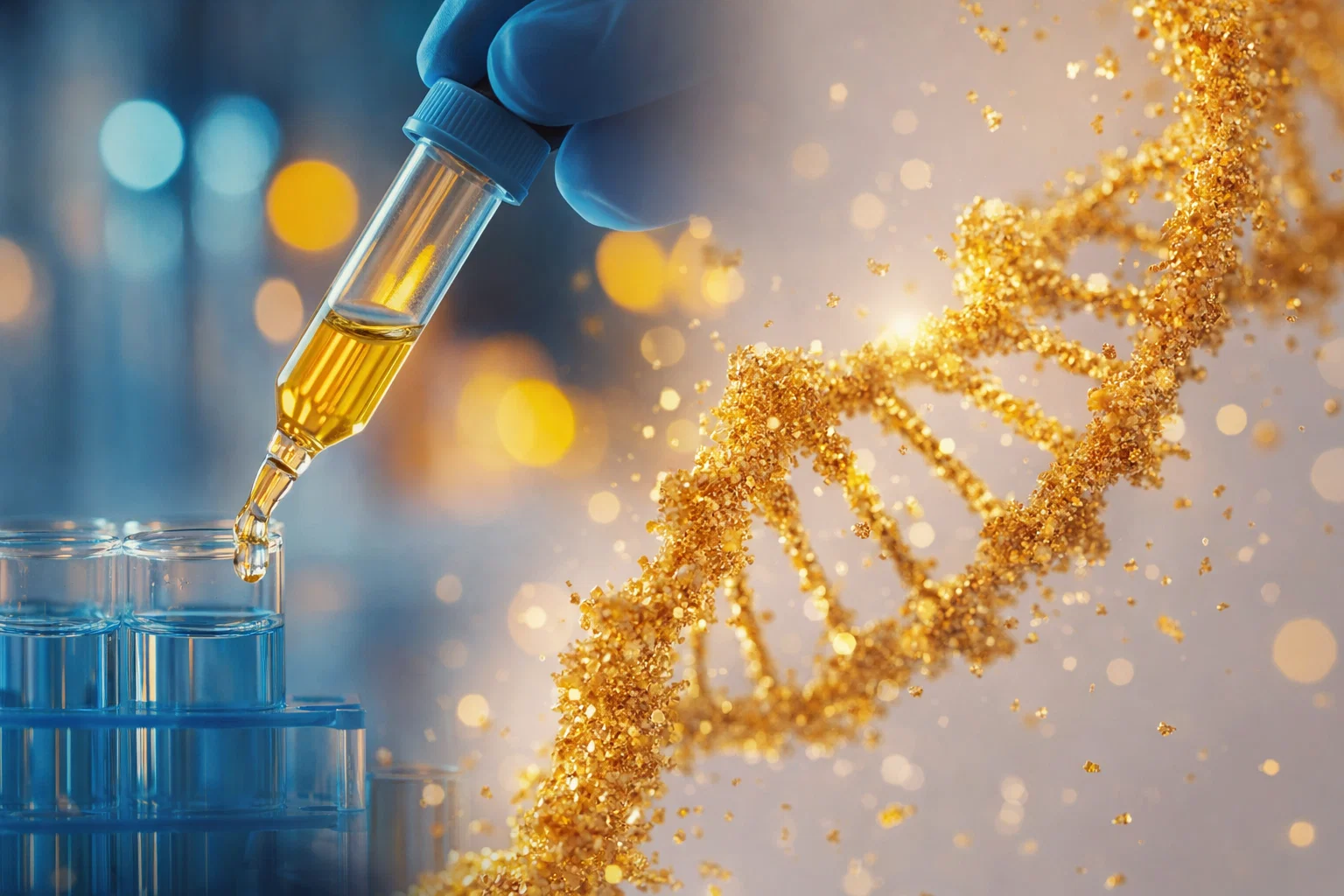
Genetics
In most cases, genetics plays a central role. Many children with ASD have variations in genes that influence brain development. For this reason, when global developmental delay or dysmorphic features are present, current international guidelines (ACMG) recommend considering exome sequencing as part of the diagnostic workup.
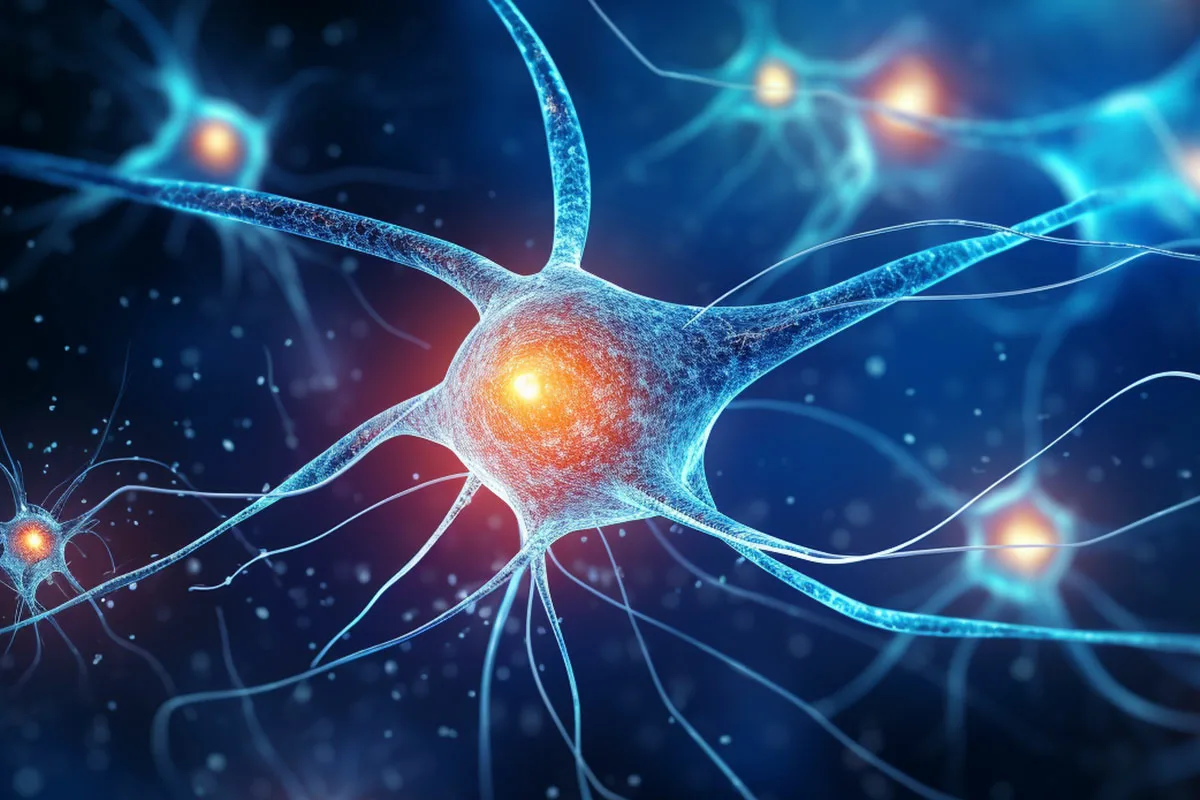
Neurobiology
In children with ASD, connections between brain regions responsible for social cognition, sensory processing, speech, and emotional regulation develop differently.

Metabolism and biochemistry
Some children with ASD have metabolic differences, vitamin or mineral deficiencies, or gut microbiome imbalances that can intensify symptoms.
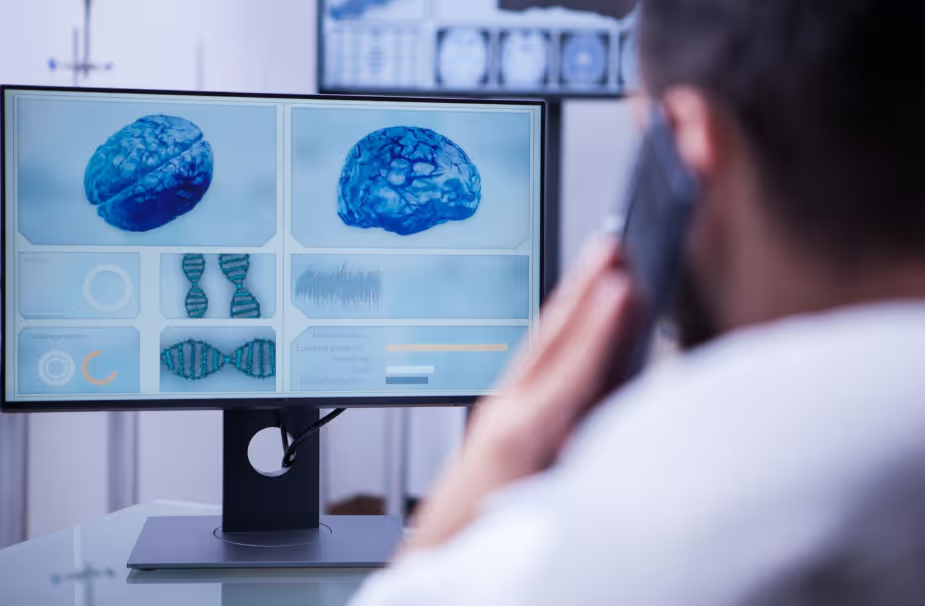
Environment and epigenetics
Factors during pregnancy, birth, and early development may influence how genetic predispositions express themselves.Important: Vaccines do not cause autism. This has been repeatedly disproven by large-scale studies (CDC, WHO). Parenting style is also not a cause of ASD.
ASD is not just about behavior
In children with autism spectrum disorder, multiple challenges often coexist:
- sensory dysregulation
- gastrointestinal issues and food selectivity
- sleep disturbances
- deficiencies in vitamins, minerals, amino acids
- metabolic differences
- genetic factors
- anxiety conditions
- ADHD as a co-occurring profile
If we work only on behavior, we miss the biological and sensory drivers that amplify symptoms. If we work only on biology, communication and functional skills don't develop. Lasting progress comes only from addressing all layers simultaneously.

What we do differently
Individual pathway for every child: from addressing challenges to maximizing potential.

Full profile, not just a diagnosis
Not simply "ASD present/absent," but a detailed map of strengths and challenges across communication, regulation, sensory processing, motor skills, cognition, behavior, and biology.
Biomedical layer
Genetics, metabolism, nutrient deficiencies, microbiome - factors many centers overlook, yet they often significantly shift the therapy picture.
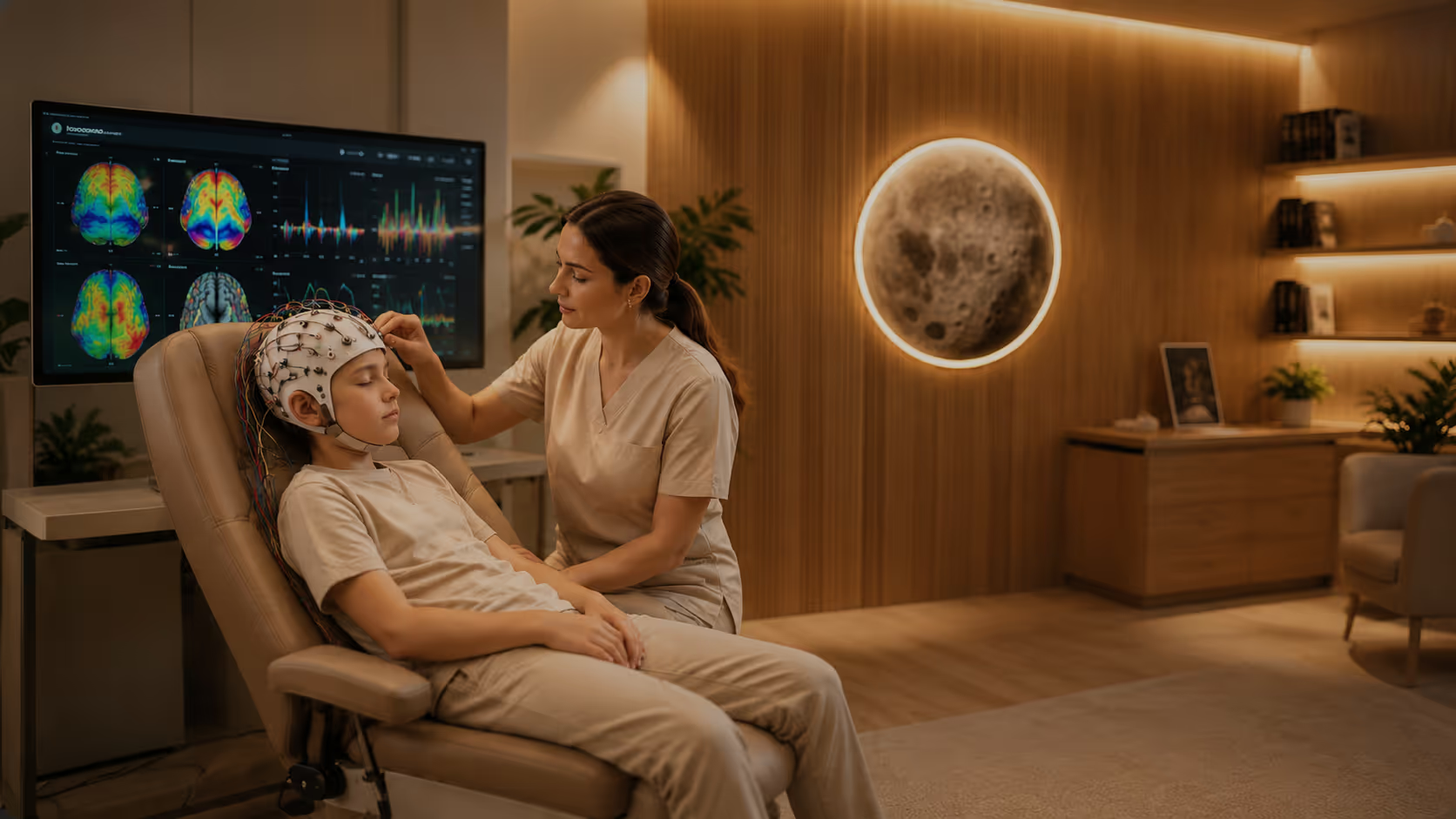
Neurotechnologies
QEEG, neurofeedback, tDCS, photobiomodulation as complements to classical approaches - to support regulation, attention, and speech activation.
Family as co-author of the plan
Parent coaching, home routines, and transferring skills into the child's everyday life.
How we diagnose autism in children
An ASD diagnosis is not made based on a single scale or one observation. We build a complete clinical picture.
Basic assessment (for all children):
- Multidisciplinary parent interview - developmental history, observations of the child across different settings
- Standardized autism assessment ADOS-2 / ADI-R or equivalent clinical tools - the gold standard of international diagnostics
- Neuropsychological evaluation - profile of attention, cognitive flexibility, executive functions, and cognitive strengths
- Speech and language assessment - receptive language, expressive language, pragmatics, gesture use, imitation, symbolic play
- Sensory-motor and OT profile - sensory processing, oral sensitivity, praxis, daily living skills
- Behavioral and adaptive assessment - self-care, group behavior, triggers for challenging behavior
Extended assessment (when indicated):
- Genetic evaluation - microarrays, exome sequencing in cases of global developmental delay, dysmorphic features, or seizures
- QEEG and Brain Mapping - neurophysiological profiling to inform neurofeedback programs
- Metabolic and nutritional panel - vitamins, minerals, amino acids, inflammation markers
- Microbiome and GI profile - for constipation, diarrhea, or food selectivity
- Food tolerance assessment - food diary, clinical evaluation
- Heavy metals screening - based on clinical or environmental history
How we treat autism - a comprehensive therapy program
No child receives "everything" - the plan is built around their specific profile. This is a typical set of modules used in ASD support.

Behavioral and developmental work
- Play-based behavioral therapy
- ABA elements and developmental protocols
- Joint attention therapy
Communication and speech
- Speech therapy and language stimulation
- Pragmatics and social communication therapy
- AAC (Augmentative and Alternative Communication) - when needed
Sensory and motor support
- Sensory integration (OT)
- Kinesiotherapy and physiotherapy
- Montessori room and adapted environment
Biomedicine and nutrition
- Functional nutrition
- Microbiome support
- Correction of vitamin, mineral, and amino acid deficiencies
- Food intolerance management
- Personalized nutraceutical protocols
Neurotechnologies
- QEEG neurofeedback for self-regulation
- tDCS to support neuroplasticity
- Photobiomodulation
- VR-based social skills therapy
Cognitive rehabilitation
- Attention, flexibility, and executive function training
- Development of cause-and-effect reasoning
Supportive therapies
- Music therapy
- Art therapy
- Group therapy
Family support
- Parent coaching
- Parent support groups
- Home routines and skill generalization
How often and for how long
No child receives "everything" - the plan is built around their specific profile. This is a typical set of modules used in ASD support.
01
Intensity
2–5 visits per week, depending on age and profile severity. The exact schedule is determined during the initial consultation.
02
Parent module
Required, at least once every 1–2 weeks. Without family involvement, skills don't generalize to everyday life.
03
Duration
Long-term support, with mandatory plan review every 8–12 weeks during the team's case conference.
What changes as a result of therapy
We don't promise to "remove the diagnosis" - that would be dishonest. We work toward helping your child:
- engage more in communication and joint attention
- better regulate their state and responses to sensory input
- expand functional speech or alternative ways to express themselves (including AAC)
- build daily living skills and greater flexibility around routines
- experience less discomfort - around sleep, GI issues, feeding, and emotions
- adapt more successfully to preschool or school settings
Progress is tracked using specific standardized scales - every 8–12 weeks. Without measurable outcomes, therapy becomes a process for the sake of process.
Case from practice
4-year-old boy, ASD diagnosis. At intake: no phrase speech, pronounced food selectivity (10–12 accepted foods), chronic GI issues, disrupted sleep, aggressive reactions to routine changes.
Standard path prior to us: ABA center + speech therapist in separate locations, two years of work, minimal progress.
What we did at KidiMind:
- Comprehensive assessment - clinical evaluation, ADOS-2, neuropsychology, genetics, metabolism, microbiome, food tolerance testing
- Identified iron and vitamin D deficiencies, significant dysbiosis, gluten sensitivity
- Program: speech therapy + sensory integration + behavioral support + biomedical protocol + parent coaching
Results after 6 months:
- Diet expanded from 12 to 35 accepted foods
- Sleep normalized • First phrases emerged
- Reduction in aggressive reactions
- Able to attend an inclusive preschool calmly
Name changed, no photo used. Case published with written consent from the family.

Take the first step
Book an initial consultation at KidiMind. In a single session, our team will gather your child's history, outline clinical hypotheses, and propose a clear, targeted ASD diagnostic plan - nothing extra, no guesswork.
Carrer Viladomat 135, 1-1, Eixample, 08015, Barcelona
Mon-Fri 10AM-6PM
Mon-Fri 10AM-6PM
Frequently asked questions from parents about autism treatment
Every module of our program is regularly reviewed for effectiveness. If a specific method isn't delivering expected progress, we adjust it - without waiting for it to "maybe work someday."
At what age do you start working with children with autism?

From early childhood, ideally starting at 18–24 months. The earlier intervention begins, the stronger the impact of neuroplasticity. We have protocols designed specifically for the youngest children.
How much does autism diagnosis cost at KidiMind?
The cost depends on the scope. The basic clinical and neuropsychological package including ADOS-2 is the most accessible entry point. Full pricing details are available in the "Prices" section.
Can autism be "cured"?
ASD is not an illness but a neurodevelopmental difference. The goal of therapy is not to "remove the diagnosis" but to build functional skills, communication, independence, and overall quality of life. With early, intensive support, some children show significant compensation.
Do you provide ABA therapy?
We incorporate behavioral elements as part of a comprehensive plan. We don't work "ABA-only" - this contradicts current international guidelines, which favor integrative, multidisciplinary approaches.
Is genetic testing necessary for all children with ASD?
No. It is indicated in cases of global developmental delay, dysmorphic features, seizures, or relevant family history. The decision is made during consultation.
Can we combine KidiMind with other centers?
Yes, but coordination is essential. Parallel, conflicting approaches can slow progress - we help align all interventions into one coherent pathway.
What if my child doesn't engage easily?
For children who struggle to connect, we have specialized entry protocols and a sensory-adapted environment. Therapy begins at the level where your child can stay engaged and comfortable.
Do you work with Russian-speaking families?
Yes. Part of our team speaks Russian, Spanish, and English. All consultations can be conducted in Russian.