


From in-depth diagnostics to comprehensive therapy — all under one roof
Treatment of headaches in children in Barcelona
At KidiMind, we approach pediatric headaches not as «just give a painkiller», but as a systemic signal from the body. A neurologist, nutritionist, psychologist, and sleep specialist look at the full picture - school workload, nutrition, sleep, anxiety, screen time - and identify what exactly is sustaining the pain in each specific child.
Headaches in children are more common than parents think
Regular headaches occur in approximately every third school-aged child, and about 8–10% of children have migraine - a genuine neurological disorder, not «just a headache». In adolescents, the frequency is even higher, especially among girls.
Most childhood headaches are benign - meaning they are not associated with tumours or serious neurological pathology. But this does not mean they should be ignored. Chronic pain significantly reduces quality of life, academic performance, mood, and often masks other issues: anxiety, sleep disturbances, deficiencies, school burnout.
International approaches (ICHD-3, recommendations from pediatric neurological societies) emphasise the need for precise classification of headache type and identification of sustaining factors - rather than prescribing painkillers as the first and only line of treatment.
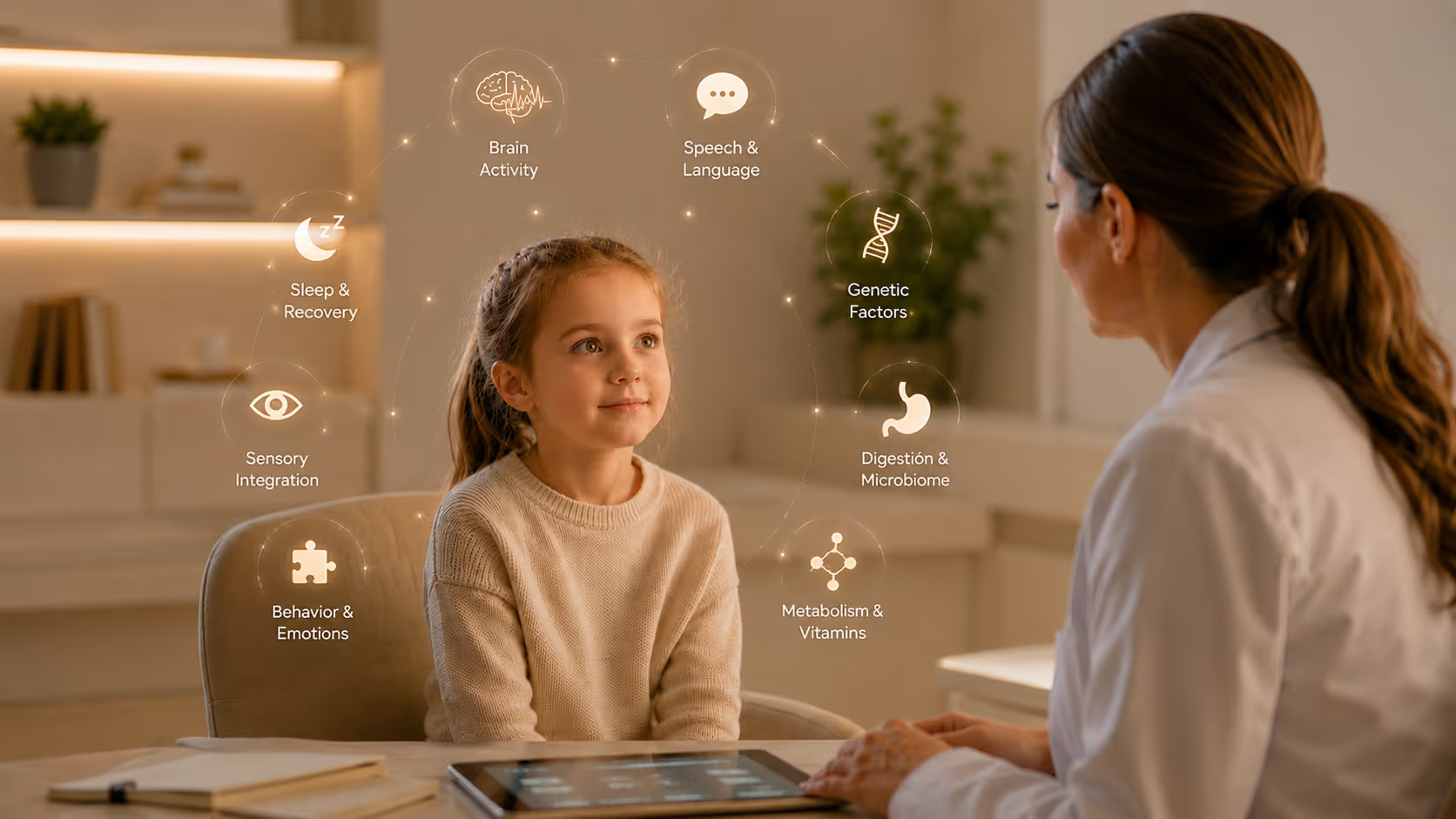

What types of headaches occur in children
The exact causes of ASD are not fully known. Modern science agrees on one point: autism is the result of the interaction of many factors, predominantly biological.
Tension-type headache
The most common type. The pain is usually bilateral, pressing, «like a tight band», of moderate intensity.
Associated with muscle tension, school workload, prolonged posture, screen time. Not accompanied by nausea.
Migraine
A genuine neurological disorder. The pain is pulsating, more often one-sided, of moderate or severe intensity. Often accompanied by nausea, photophobia, phonophobia. In younger children, it may be shorter and present differently.

Chronic daily headache
Pain on more than 15 days per month for 3 months or longer. Often associated with prolonged uncontrolled use of painkillers, anxiety, depression, school avoidance.
Secondary headaches
Pain as a symptom of another condition: increased intracranial pressure, infections, vision problems, sinusitis, trauma. These require mandatory exclusion during initial diagnostics - especially when warning signs are present.
When a child's headache is a reason to see a doctor
Not every headache requires examination. But there are situations when seeking medical care is essential.

Schedule a visit
- regular headaches (more than 1–2 times per week)
- pain interferes with school, play, or usual activities
- child takes painkillers more than 1–2 times per week
- nausea or vomiting appears alongside headache
- pain is accompanied by mood changes, anxiety
- sleep disturbances related to headache


Seek care without delay
- sudden, very severe pain («the worst ever»)
- pain with fever and neck stiffness
- pain following head trauma
- pain that wakes the child at night
- pain with simultaneous vision changes, speech difficulties, or weakness
- morning vomiting without other signs of illness
- rapid increase in frequency or intensity of headaches
- declining academic performance, personality changes alongside pain

Especially important in younger children
- children under 6 rarely complain of headache without a reason
- in young children, pain may present as crying, refusal to eat, photophobia
- developmental regression alongside headaches requires urgent examination
What can sustain headaches in a child
Headaches in children rarely have a single cause. Usually, chronic cephalgia involves a combination of factors, and precise intervention is only possible when we understand what exactly is sustaining them.
Possible factors:
- School workload and stress - especially with overload, tests, academic difficulties
- Sleep disturbances - insufficient sleep, irregular schedule, late bedtimes, screens before sleep
- Prolonged static posture - studying, device use, poor posture, neck muscle tension
- Screen time - especially continuous use without breaks, at close distance
- Vision problems - uncorrected myopia, astigmatism, accommodative difficulties
- Nutrition and dehydration - skipped meals, low water intake, deficiencies in iron, magnesium, B vitamins
- Hormonal changes - especially in adolescent girls (menstrual migraine)
- Anxiety and emotional state - the psychosomatic component is very common
- TMJ disorders and dental issues - a frequently overlooked cause
- Family history of migraine - genetic factors play a significant role in migraine
- Excessive use of painkillers - can itself cause chronic pain
Important: «Just giving painkillers» for frequent headaches is a risky strategy. Prolonged uncontrolled use of analgesics can itself become a cause of chronic headache (medication-overuse headache). This often affects adolescents, especially girls.
Take the first step
Book an initial consultation. In one visit, we will gather the medical history, outline hypotheses, and explain which pathway is needed specifically for your child.
Carrer Viladomat 135, 1-1, Eixample, 08015, Barcelona
Mon-Fri 10AM-6PM
Mon-Fri 10AM-6PM
You cannot treat a headache with just one pill
The scenario «it hurts - took a pill - it passed» works only for isolated episodes. With chronic and regular cephalgia, this approach quickly loses effectiveness, and sometimes even worsens the condition.
Therefore, for pediatric and adolescent headaches, we simultaneously:
- classify the type of pain - this determines the entire further strategy
- identify and rule out secondary causes - mandatory
- assess sustaining factors - sleep, workload, nutrition, anxiety, screens, posture
- work with lifestyle - routine, sleep, screens, movement
- address anxiety and psychosomatic components, if present
- when necessary - add nutritional correction
- coordinate with school when school-related factors contribute to pain
- provide a clear strategy for acute attacks and prevention
In most cases, this yields significantly better results than «more analgesics».
What we do differently
Individual pathway for each child: from correcting impairments to maximizing potential.

Precise classification and cause identification
Not «headache in general», but a specific type: migraine, tension-type headache, chronic daily headache, medication-overuse headache. The entire program depends on this.
Biological layer
Analysis of deficiencies (iron, magnesium, B vitamins, omega-3), assessment of sleep and circadian rhythms, when indicated - genetic predisposition to migraine.
Psychosomatic layer
Work with anxiety, school stress, emotional overload - especially in adolescents. CBT and neurofeedback as evidence-based methods for migraine prevention.
Clear plan: «acute attack» + «prevention»
Parents and the child themselves receive a clear algorithm: what to do during an acute attack and what to do daily to reduce headache frequency.
How we diagnose the cause of headaches in children
The goal is to determine the type of pain, rule out dangerous causes, identify sustaining factors, and build a strategy.
Basic diagnostics (for everyone):
- linical consultation with a pediatric neurologist - detailed history, pain characteristics, triggers, family history
- Headache diary - parents keep for 2–4 weeks before and during treatment: frequency, intensity, triggers, what helps
- Neurological examination - ruling out focal symptoms
- Vision assessment - mandatory for regular headaches
- Posture and cervical spine assessment - especially for headaches after school
Advanced diagnostics (as indicated):
- Brain MRI - when warning signs or atypical presentation are present (through partner clinics)
- EEG / QEEG - when an epileptic component is suspected or to assess baseline brain activity
- Neuropsychological assessment - for school difficulties, anxiety, overload
- Metabolic and nutritional workup - iron, ferritin, magnesium, vitamin D, omega-3, amino acids
- Sleep assessment - sleep structure, circadian rhythms, hormonal profile
- Psychological assessment - when an anxiety-depressive component is suspected
- Dental consultation - when TMJ dysfunction is suspected (through partners)
- General blood tests - to rule out infectious and systemic causes
How we treat headaches - a comprehensive approach
The program always includes two parts: acute attack management and prevention between attacks.

Acute attack management
- Selection of safe and effective remedies for acute pain
- Monitoring frequency of use - prevention of medication-overuse headache
- Clear algorithm for the family: when and what to take
- For severe migraine in adolescents - modern specific medications under neurological supervision
Attack prevention
- Preventive medications for frequent migraine (as indicated, long-term course)
- Lifestyle work - routine, sleep, nutrition, activity
- Trigger management - identification and minimization of provoking factors
Nutritional correction
- Correction of iron, magnesium, vitamin D, B vitamin, and omega-3 deficiencies
- Regular meals, hydration control
- Elimination of dietary migraine triggers (based on diary)
- Nutraceuticals with evidence base for migraine prevention
Cognitive-behavioral therapy
- CBT is an evidence-based method for preventing migraine and tension-type headache in children and adolescents
- Work with anxiety, perfectionism, emotional regulation
- Especially effective when a psychosomatic component is present
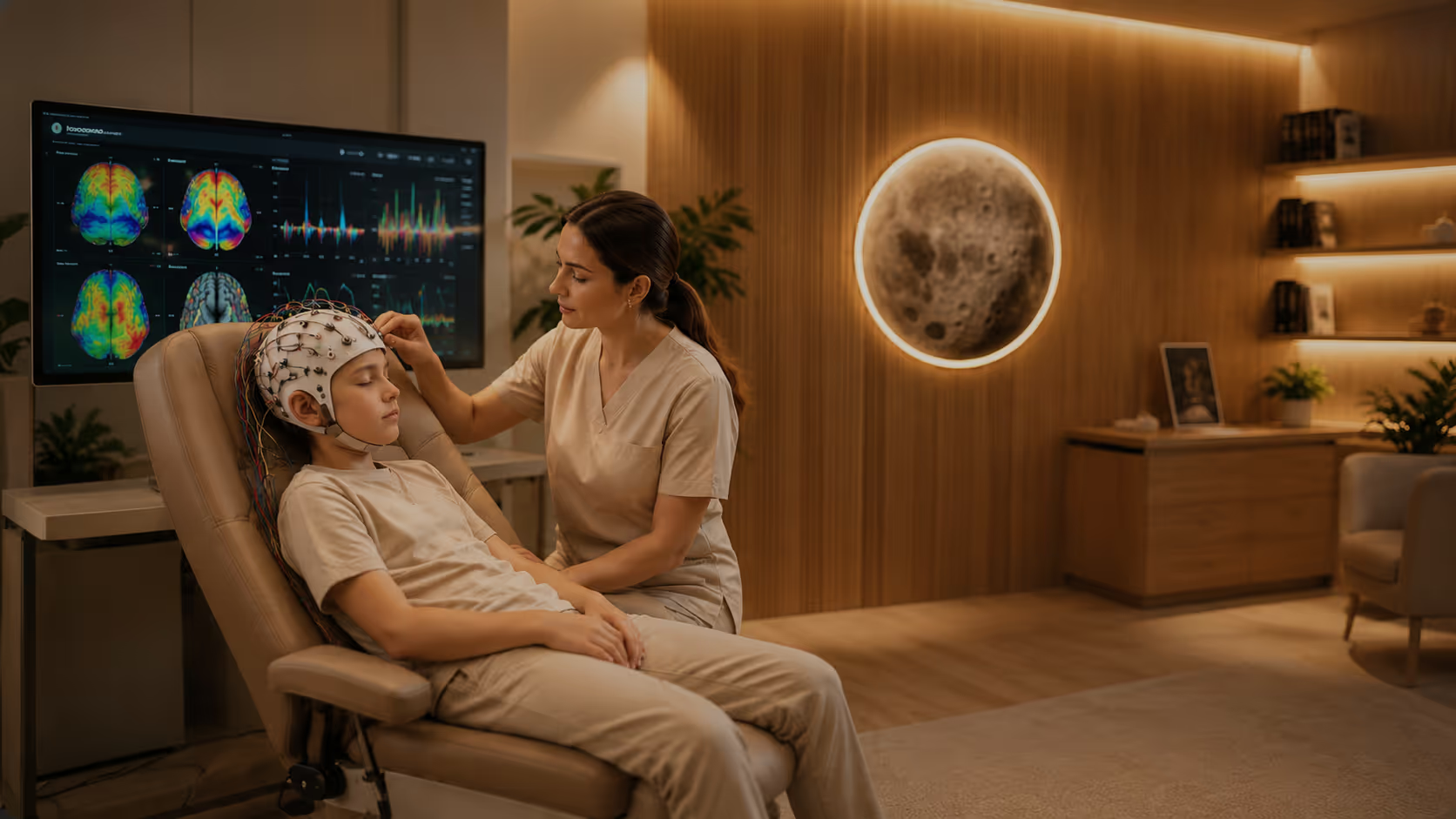
Neurofeedback and regulatory methods
- Neurofeedback - an evidence-based method for migraine prevention
- Training in self-regulation, reducing chronic arousal
- Breathing techniques and relaxation
Physical component
- Work with posture and cervical spine - physiotherapy, kinesiotherapy
- Relief of muscle tension
- Regular physical activity as an evidence-based prevention factor
Sleep work
- Sleep hygiene, routine, circadian rhythms
- Managing screen time before bed
- When disturbances are present - referral to a sleep specialist
School support
- Recommendations on workload, breaks, screen time
- Accommodations for severe migraine (ability to leave class, daytime rest)
- Help with organizing studies during absences
Work with families
- Education: how to recognize the type of pain, when to call a doctor
- Headache diary - training and support
- Managing parental anxiety - a child's headaches often cause significant family anxiety
How often and for how long
No child receives «everything» - the plan is assembled based on the specific profile. This is a typical set of modules for ASD.
01
Intensity
At the start - 1–2 visits for diagnosis and plan development. Then - scheduled visits every 4–6 weeks to assess progress. When actively working with anxiety or associated challenges - weekly CBT or neurofeedback sessions.
02
Parent module
Important. Especially for younger children - parents keep the diary, help with routine, and make decisions about medication use.
03
Duration
Active phase of work - 3–6 months. Then - maintenance visits as needed. Many adolescents transition to self-management of their condition after acquiring the necessary skills.
What changes as a result of treatment
With systematic work on headaches, results are usually noticeable within 2–3 months. We work to ensure that the child:
- significantly reduces headache frequency
- experiences less intense pain
- has shorter attacks that are easier to manage
- reduces painkiller use
- restores sleep quality
- returns to full school and social activity
- develops understanding of their own condition and coping skills
With migraine, it is not always possible to «completely eliminate» it - this is often a hereditary predisposition. But it is possible to reduce a child's attacks from 8–10 per month to 1–2, and this is a qualitative life change.
With tension-type headache and chronic daily headache, the prognosis is usually even better - especially when working with sustaining factors.
Progress is tracked using a headache diary and standardized scales.
Case from practice
A 13-year-old girl with frequent headaches over the past 9 months.
At the time of consultation - 6–8 migraine attacks per month plus almost daily «background» headaches, school absences, ibuprofen use 3–5 times per week, increasing anxiety before school, difficulty falling asleep.
The standard path: Pediatrician - «it's age, hormones, just wait». Neurologist at the local clinic - prescribed a preventive medication, minimal effect, added side effect - drowsiness.
What comprehensive diagnostics at KidiMind revealed:
- Migraine without aura + chronic tension-type headache
- Medication-overuse headache due to prolonged ibuprofen use
- Severely disrupted sleep (falls asleep after midnight, screens in bed)
- Deficiencies in iron, ferritin, and vitamin D
- School-related anxiety, perfectionism
- Irregular eating patterns (skips breakfast)
- Menstrual migraines coinciding with her cycle
What was done:
- Gradual discontinuation of daily ibuprofen, transition to a clear «acute attack» algorithm
- Selection of a more suitable preventive medication with minimal side effects
- Nutritional correction: iron, magnesium, omega-3, vitamin D, riboflavin
- Sleep work: routine, sleep hygiene, screens only until 21:00
- CBT for anxiety and perfectionism (16 sessions)
- Neurofeedback for regulation (10 sessions)
- Regular study breaks, hydration routine
School module: permission to leave class during an attack, exemption from late-night homework
Results after 5 months:
- Migraine attacks - reduced from 6–8 to 1–2 per month
- Daily background headaches - disappeared
- Sleep restored (falls asleep at 22:30)
- Returned to school without absences
- Anxiety significantly reduced
- Her own comment: «I can plan my life again»
Name changed, case published with written consent from the family.

Frequently asked questions from parents about headaches in children
Every program module undergoes regular effectiveness checks. If a specific method does not yield the expected progress, we change it without waiting for it to «work someday».
At what age do children start complaining of headaches?

Children can complain of headaches from age 4–5. Young children rarely complain «just for no reason» - so regular complaints in preschoolers always require examination.
How often can I give my child painkillers?
No more than 2–3 times per week and not for more than a few consecutive days. More frequent use can itself become a cause of chronic headache (medication-overuse headache) - especially in adolescents.
Is an MRI necessary for headaches?
Not always. MRI is indicated when warning signs are present: sudden severe pain, nighttime awakenings due to pain, focal neurological symptoms, personality changes, developmental regression. With typical migraine or tension-type headache, MRI is usually not needed.
Is migraine forever?
Migraine is often a hereditary predisposition that can persist throughout life. But with proper management, the frequency and severity of attacks can be significantly reduced. Many adolescents experience far fewer attacks in adulthood than during their school years.
Do vitamins and supplements help with migraine?
Some nutraceuticals have an evidence base for migraine prevention: magnesium, riboflavin (B2), coenzyme Q10, omega-3. They are prescribed individually after assessment. This is not a «replacement for therapy», but part of the program.
Can anxiety cause headaches?
Yes, and this is a very common cause in schoolchildren and adolescents. The psychosomatic component is almost always present in chronic headaches. Work with anxiety is a mandatory part of the program.
What about screens?
The main thing is regular breaks (the 20-20-20 rule: every 20 minutes, look at an object 20 feet away = 6 meters for 20 seconds), proper distance from the screen, and no screens one hour before bedtime. Complete elimination is not necessary - sensible hygiene is key.
When to seek urgent care?
Sudden, very severe pain; pain with fever and neck stiffness; pain following head trauma; nighttime awakenings due to pain; morning vomiting without other signs; vision or speech changes alongside pain. In these cases - call emergency services or seek urgent care.
Do you accept Russian-speaking families?
Part of our team speaks Russian, Spanish, and English. All consultations are available in Russian.
A child's head should not hurt constantly
Chronic headaches in a child are not «it will pass on its own» and not «just age». This is a signal that requires a systematic response. Book a consultation - in one visit, our team will gather the medical history, outline hypotheses, and propose an examination plan.
Carrer Viladomat 135, 1-1, Eixample, 08015, Barcelona
Mon-Fri 10AM-6PM
Mon-Fri 10AM-6PM