From in-depth assessment to comprehensive therapy, all under one roof
NEW AT KIDIMIND
A metabolic test for your child, no needle in the vein
A drop of blood from a finger prick and a urine sample from home. Over 100 markers*: vitamins, minerals, amino acids, metabolism, liver, gut and genetic predispositions.
We created this test for children who cannot hold out an arm: children with autism, ADHD, sensory sensitivities or a strong fear of doctors.
* 70 lab markers (22 in blood and 48 in urine) and 41 genetic predispositions, combined into 45 functional indicators.
LESS STRESS
When a blood test is an ordeal for your child
Parents of children with special needs know this better than anyone. Their kids need tests more often than others, and every trip to the blood draw room ends in tears for everyone.
«Three adults had to hold him down»
Screaming down the whole corridor, the nurse finds the vein on the second try, and you cannot stop thinking about it for a week.
«Now he is afraid of white coats»
After one bad blood draw, the meltdown starts at the door of any clinic, even the dentist.
«The referral has been sitting there for six months»
The doctor ordered tests, and you still have not gone. Because you know how it will end.
«They only filled half the tubes»
Your child pulled away, the vein was lost, and some of the tests simply had to be dropped.
«He only eats pasta and cookies»
You sense something is missing in his diet, but there is no way to check without a test.
«Tummy, sleep, mood swings»
Irregular stools, late bedtimes, meltdowns over small things. You want to understand what is going on inside.
For a child with autism or sensory differences, a needle in the vein can be a trauma that makes every later doctor visit even harder. So families put off tests they really need for years.
We removed the hardest part of testing: one drop from a fingertip instead of a vein.
NO VENOUS BLOOD DRAW
A standard venous blood test vs. a blood drop at KidiMind
A single finger-prick blood drop instead of a venous blood draw. A calm setting, with your child close to you.
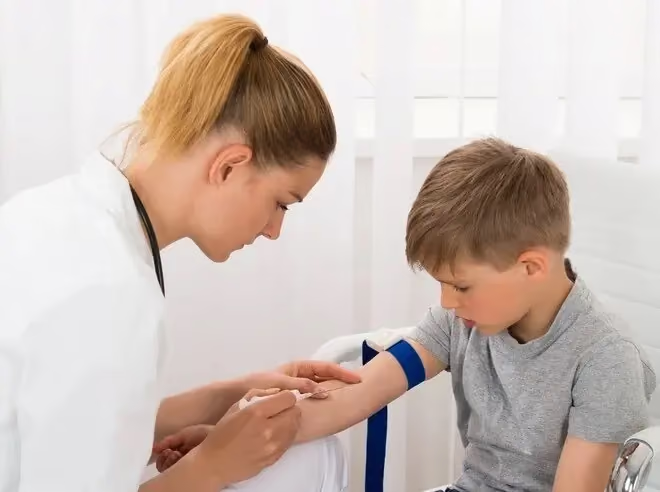
Venous blood
How tests are usually done
- Tourniquet, a needle in the vein, several tubes in a row
- The child often has to be held down
- If the vein is lost, the procedure starts over
- The fear sticks and spreads to every doctor
- A full workup means going to different places on different days
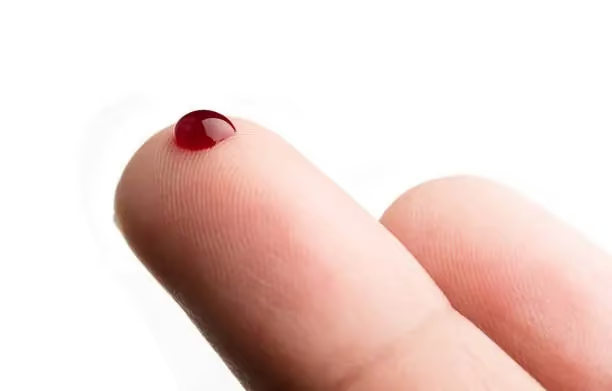
Metabolism Plus · KidiMind
How it works with us
- One drop of blood from a finger; the prick takes a second
- Your child can sit on your lap in a calm room, with no rush
- You collect the urine at home, in a familiar setting
- From these samples, the lab measures over 100 markers
- A KidiMind doctor reviews the results and gives you a clear plan
How the method works
Dried blood spot
A proven method: it is how blood is taken from every newborn's heel for screening. The drop dries on a special card and travels to the lab without any tubes.
Blood + urine + DNA
Some markers are measured in the blood drop (22), others in urine (48). Genetic predispositions are calculated from DNA.
A predisposition, not a diagnosis
A high genetic risk points to a tendency, not a disease. The test does not replace a doctor: results are reviewed together with the child's history.
WHAT WE TEST
What one drop can show
Six body systems that shape your child's energy, sleep, mood, attention and digestion.
18 markers
Vitamins and minerals
Iron, magnesium, zinc, selenium, B vitamins, vitamins E and K, folic acid, coenzyme Q10 and more.
Whether your child has enough «building material» for the nervous system, immunity and growth.
12 markers
Amino acids and protein
Tryptophan, tyrosine, phenylalanine, leucine and others, plus how the body takes in and uses protein.
The body makes serotonin and dopamine from tryptophan and tyrosine. These neurotransmitters are linked to sleep and mood.
5 markers
Energy metabolism
Glucose and carbohydrate metabolism, mitochondrial function, omega fats, kidney stone risk.
Where constant tiredness comes from, or the opposite: energy with nowhere to go.
4 markers
Liver and detoxification
Ammonia, heavy metal clearance, free radicals, liver function.
How the body processes and clears what comes in from food and the environment.
6 markers
Gut and microbiome
Bacterial overgrowth, clostridia, dysbiosis, intestinal permeability, absorption, fungi.
Tummy problems are common in autistic children; these markers help the doctor decide what to check next.
41 predispositions
Genetics
Cholesterol, glucose, thyroid, liver enzymes, MTHFR and CYP genes, intolerances and allergies.
What your child is prone to, so you can act early.
Want to see how these systems work in your child?


GENETIC RISKS
We look not only at what is happening now, but also at predispositions
The test shows the genetic risk for each parameter. For example, a tendency toward low vitamin D, high cholesterol or lactose intolerance. Each result is marked with a clear level.
High
Certain gene variants can significantly increase a predisposition. The doctor takes this into account when interpreting the results.
Moderate
Genetics plays a partial role. Diet, lifestyle and monitoring the marker over time matter.
Low
The variants found do not affect how the body works.
What this means in practice
How the body processes medication
The CYP2D6, CYP2C19, CYP2C9 and CYP3A5 genes are associated with how certain medications are metabolized. The doctor considers these findings in relation to the specific medication.
How folate and B12 are absorbed
The MTHFR, MTR and MTRR genes are linked to folate and vitamin B12 metabolism. Gene variants do not replace laboratory measurements or a clinical assessment.
Intolerances and allergies
Genetic variants may suggest certain predispositions, but they cannot confirm an allergy or intolerance without further testing.
Genetic risk means a predisposition, not a diagnosis. Results are interpreted by a doctor together with the child's history and other tests.
STEP BY STEP
Who the test is for
Check what applies to your child.
Thank you! Your submission has been received!
Oops! Something went wrong while submitting the form.
STEP BY STEP
How it works, step by step
1
Meet the doctor
You tell us about your child: diagnoses, diet, sleep, tummy, what worries you. The doctor decides what you need.
2
Prepare at home
We give you a container and simple instructions for collecting urine, plus tips on how to talk to your child about the visit so they arrive calm.
3
One drop at the clinic
In a quiet room, with no waiting line and no rush. Your child can sit on your lap or watch a cartoon. One second and it is done.
4
Laboratory
The samples go to the lab. Results are ready in ⚠ timeframe.
5
Review with the doctor
We calmly go through each section: what is normal, what is missing, what to watch.
6
A plan for your child
If deficiencies are confirmed, the doctor or a dietitian-nutritionist prescribes next steps and further tests. Other KidiMind specialists join in if needed.
YOUR RESULTS
What you receive
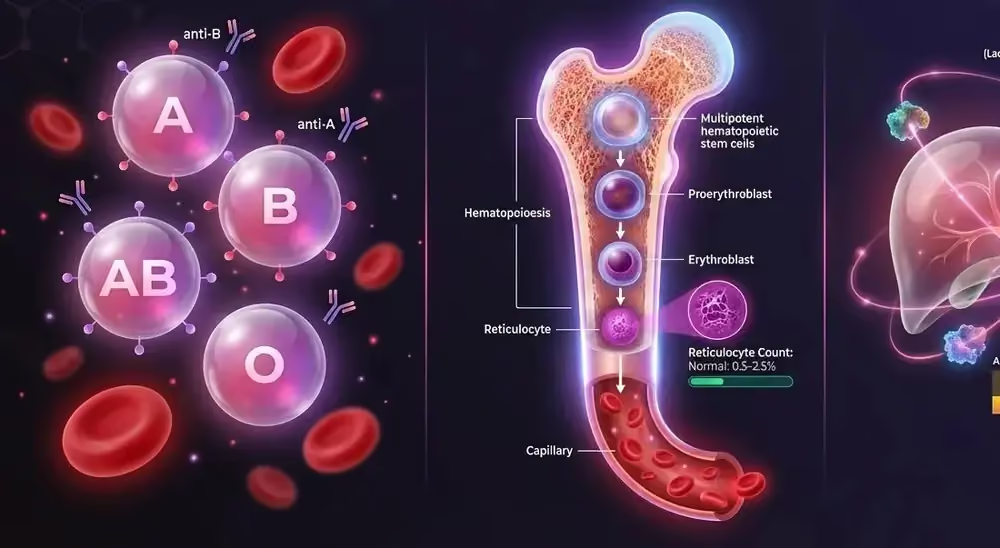
A breakdown of over 100 markers
For each section: vitamins, amino acids, metabolism, liver, gut.
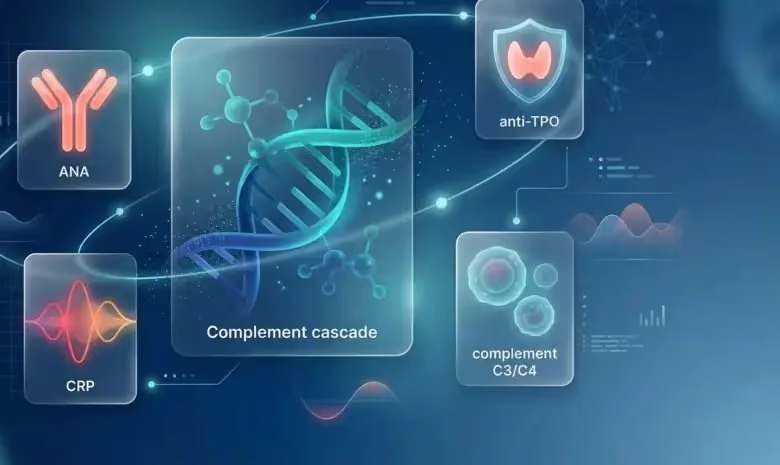
Genetic profile
Risk level for each parameter: high, moderate or low.

Doctor's report
What the results mean for your child, in plain words.

Doctor's recommendations
If a deficiency is found, the doctor or dietitian-nutritionist will explain how to correct it and what to check next.

One-on-one review
A meeting with the doctor where you can ask all your questions.

A baseline
A repeat metabolic test a few months later shows the changes in numbers. Genetics does not change, so it is not repeated.
A COMPLETE PICTURE
Two views of one child
The brain needs vitamins, amino acids and energy to work. That is why at KidiMind you can look at your child from two sides.
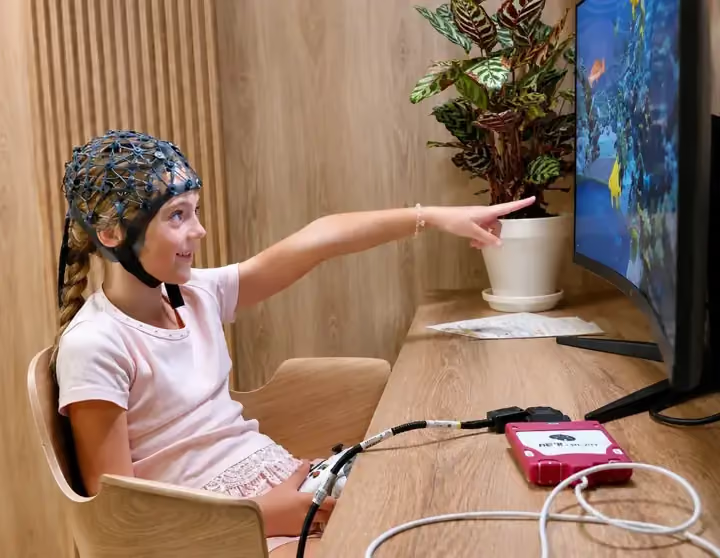
Brain mapping (qEEG)
Shows how the brain works: attention, self-regulation, recovery, sensory processing.
More about brain mapping →+
Metabolism Plus
Shows what the body gives that brain: nutrition, metabolism, gut, genetics.
The two assessments complement each other: the doctor sees both brain activity and metabolic status, and makes decisions with more data.
Ask about the combined «brain + metabolism» assessment
ALL MARKERS
Full list of markers
For those who like to know every last detail. Tap a section to expand it.
Vitamins and minerals
18
+
- Biotin (B7)
- Carnitine
- Coenzyme Q10
- Iron
- Folic acid (B9)
- Alpha-lipoic acid
- Magnesium
- N-acetylcysteine
- Selenium
- Vitamin B1 (thiamine)
- Vitamin B12 (cobalamin)
- Vitamin B3 (niacin)
- Vitamin B5 (pantothenic acid)
- Vitamin B6 (pyridoxine)
- Vitamin E
- Vitamin K
- Chromium
- Zinc
Amino acids and protein metabolism
12
+
- Histidine
- Leucine
- Lysine
- Methionine
- Phenylalanine
- Threonine
- Tryptophan
- Tyrosine
- Valine
- Arginine
- Total protein intake
- Protein utilization and turnover
Energy metabolism
5
+
- Glucose metabolism
- Carbohydrate metabolism
- Mitochondrial function
- Omega fatty acid metabolism
- Kidney stone risk
Liver and oxidative stress
4
+
- Ammonia metabolism and clearance
- Heavy metal clearance
- Free radical neutralization (GST pathway)
- Liver detoxification function
Microbiome and gut
6
+
- Bacterial overgrowth
- Clostridia overgrowth
- Intestinal dysbiosis
- Intestinal permeability
- Malabsorption
- Signs of yeast and fungal overgrowth
Genetic predispositions
41
+
- Long-chain omega fatty acids
- Hypercholesterolemia
- Hyperlipidemia
- HDL cholesterol
- LDL cholesterol
- Blood glucose
- Glycated hemoglobin (HbA1c)
- Type 1 diabetes
- Type 2 diabetes
- Liver iron
- Thyroid function (TSH)
- Sex hormone-binding globulin (SHBG)
- Albumin and total protein
- Phosphate
- Calcium
- CYP2C19
- CYP2C9
- CYP2D6
- CYP3A5
- ALT
- AST
- Bilirubin
- GGT
- Alkaline phosphatase
- MTHFR, MTR, MTRR genes
- C-reactive protein
- Myoadenylate deaminase (AMPD1)
- Creatinine
- Apolipoproteins A1 and B
- Uric acid
- Vitamins A, C, E
- Vitamins B12 and D
- Secretor status and ABH antigens
- FUT2 secretor status
- Stool frequency
- Histamine intolerance
- Lactose intolerance
- Celiac disease predisposition
- Peanut allergy predisposition
- Sweet cravings
- Appetite control
Markers measured in blood
22
+
- 1-methylhistidine
- Arginine
- Beta-alanine
- Beta-aminoisobutyric acid
- Carnosine
- C0 (free carnitine)
- Cysteine
- Glutamine
- Glycine
- Histidine
- Leucine
- Lysine
- Methionine
- Phenylalanine
- Proline
- Sarcosine
- Serine
- Taurine
- Threonine
- Tryptophan
- Tyrosine
- Valine
Markers measured in urine
48
+
- 2HIC
- 2HPA
- 2-hydroxyhippurate
- 2-ketoglutarate
- 3HB
- 3HP3HP
- 3HIV
- 4HBA
- 4HPA
- 4HPL
- 4-hydroxyhippurate
- 5HM2F
- Adipate
- Citrate analog
- Beta-alanine
- Benzoate
- Cis-aconitate
- Citrate
- EMA
- Formiminoglutamate
- Glucose
- Glutarate
- Gly1
- Hippurate
- His
- HMG2
- Indole-3-acetic acid
- Isoleucine
- Lactate
- Leu
- Lysine 1
- Malate
- Mandelate
- Methylsuccinate
- Methylmalonic acid (MMA)
- Orotate
- Oxalate
- Phe1
- Pyroglutamate
- Pyruvate
- Sebacate
- Ser1
- Suberate
- Succinate
- Tartrate
- Thr
- Uracil
- Xanthurenic acid
* 70 lab markers (22 in blood and 48 in urine) and 41 genetic predispositions, combined into 45 functional indicators.
BOOK THE TEST
The tests you kept putting off can now be done calmly
Price
Metabolism Plus for children
€290
No venous blood draw
What is included
- Doctor's consultation before the test
- Blood drop collection at the clinic
- Home urine collection kit
- Over 100 markers in one test
- Genetic risk profile
- Results review with the doctor
Combined with brain mapping: ask for the price
Book the test
Leave your contact details. We will call you back, explain how to prepare your child and find a convenient time.
Thank you. We will get in touch during business hours.
Thank you! Your request has been sent.
Please check your name, phone number and the consent box.
Something went wrong. Please try again.
If you are a pediatrician, neurologist or autism specialist
Refer patients for whom a venous blood draw is impossible or very hard. We will send you the results and report and, if needed, discuss the child with you directly.
OUR CENTER
Inside our center
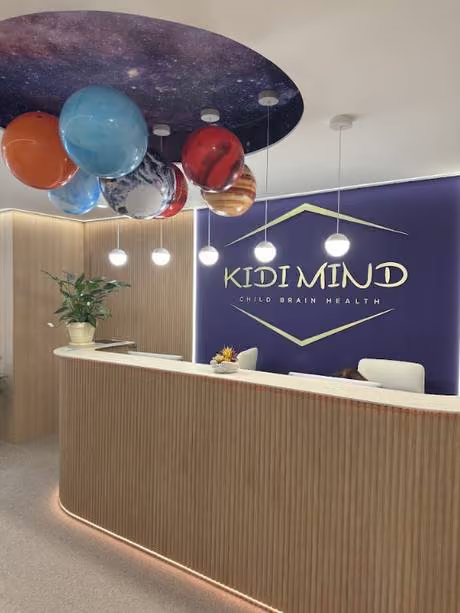
Reception
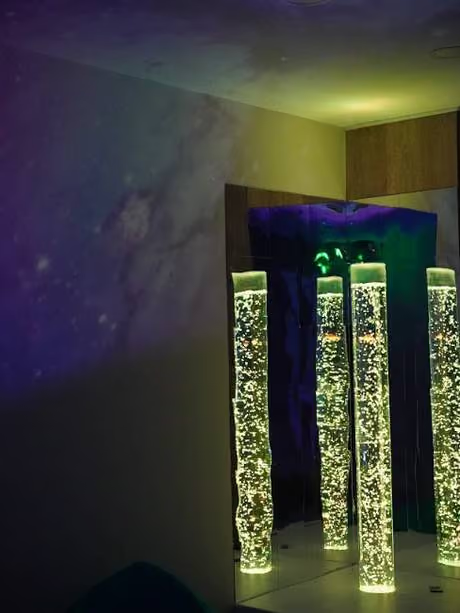
Sensory room
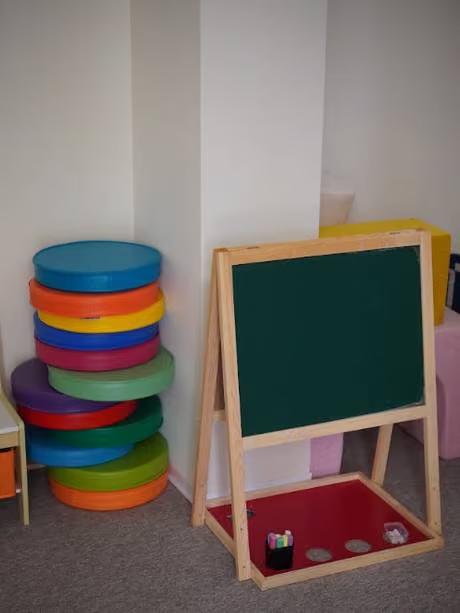
Activity room
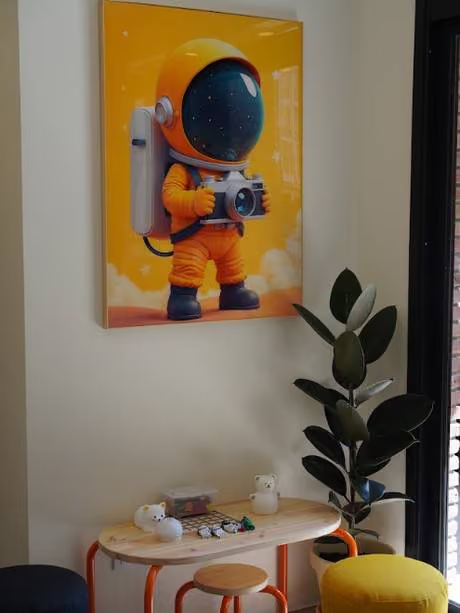
Play corner in the waiting area
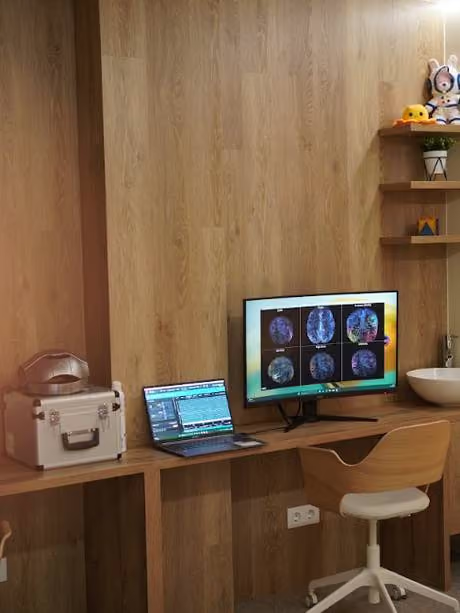
Brain diagnostics room
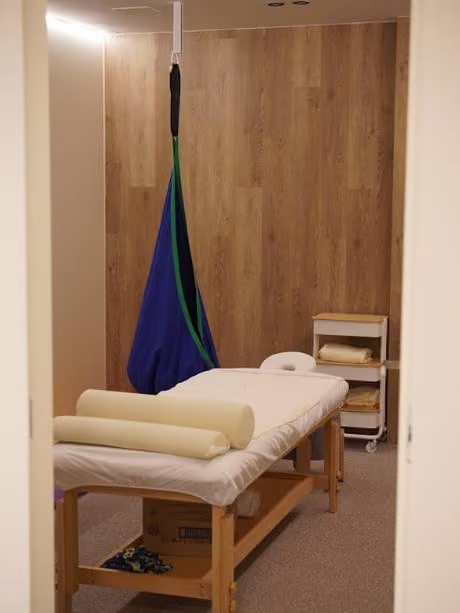
Body therapy room
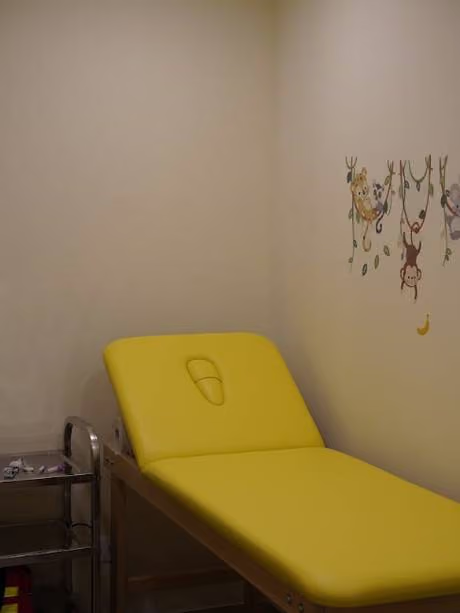
Examination room
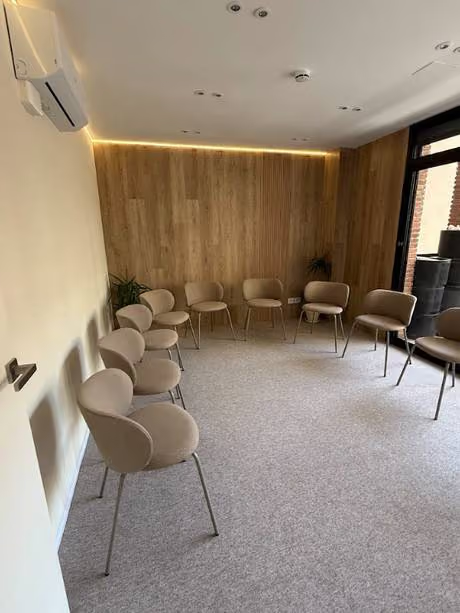
Group sessions room
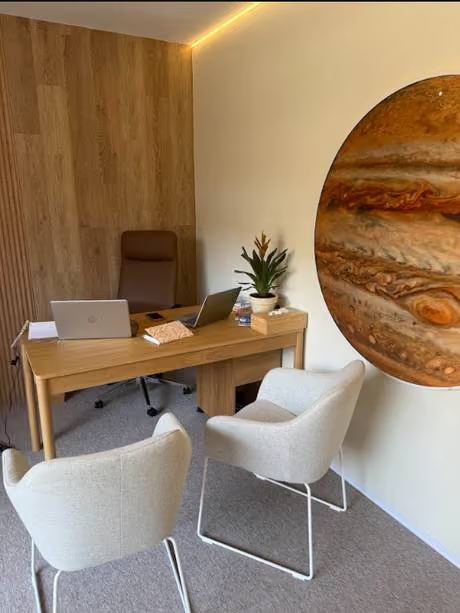
Doctor's office
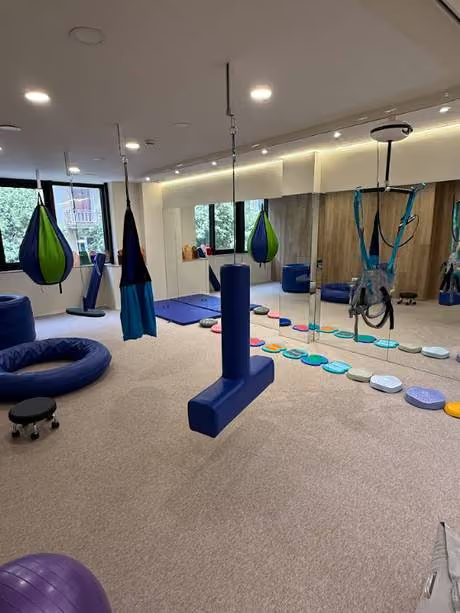
Sensorimotor integration room


Carrer de Viladomat 135, 1-1, Eixample, 08015 Barcelona
We are open Monday to Friday, from 10:00 to 18:00.
Our center is in a quiet Barcelona neighborhood, just a short walk from the metro. It is easy for families to access, including children with reduced mobility, and parking is available nearby.
FREQUENTLY ASKED QUESTIONS
What parents ask most often
For those who like to know every last detail. Tap a section to expand it.
Does it hurt?

The finger prick takes a second and feels like a light pinch. No tourniquet, no needle in the vein, no row of tubes. Most children do not even have time to get scared.
Can one drop really tell you that much?
Yes. The dried blood spot method has long been used in medicine: it is how every newborn is screened. The lab measures some markers in blood, some in urine, and genetic predispositions are calculated from DNA.
What if my child will not even give a finger?
We never rush and never hold a child down. We give them time to settle into the room. They can sit on a parent's lap, watch a cartoon or bring a favorite toy. If it does not work out that day, we book another visit.
How do I collect urine from a child who is not potty trained?
+
⚠ How to collect urine from a child in diapers
Does my child need to come on an empty stomach?
+
⚠ Fasting requirements to be confirmed. We send all preparation instructions via WhatsApp after booking.
From what age can the test be done?
+
⚠ Minimum age
When will the results be ready?
+
In ⚠ timeframe. As soon as the results arrive, we will schedule a review appointment with the doctor.
How much does it cost?
+
⚠ Price. This includes the pre-test consultation, finger-prick blood collection, the urine kit, the laboratory analysis and a results review with the doctor.
Does the test give a diagnosis?
No. It shows how metabolism is working, what the body is missing and what genetic predispositions there are. The doctor draws conclusions together with the child's history and other tests.
My child takes vitamins and medication. Will that interfere?
Tell the doctor about them at the consultation. The doctor will say whether anything needs to be paused before the test. Do not stop anything on your own.
Can we do the test if we are not KidiMind patients?
Yes. You can do the test on its own and share the results and report with your own doctor.
What happens to my child's data?
Medical data is handled confidentially under GDPR. The form only asks for contact details; everything else is discussed at the consultation.