Child Brain Mapping in Barcelona
What really is happening inside your child’s brain
Not guesswork about personality or parenting.
In a 30-minute assessment, you get an objective map of how your child’s brain is functioning and what specifically needs support.

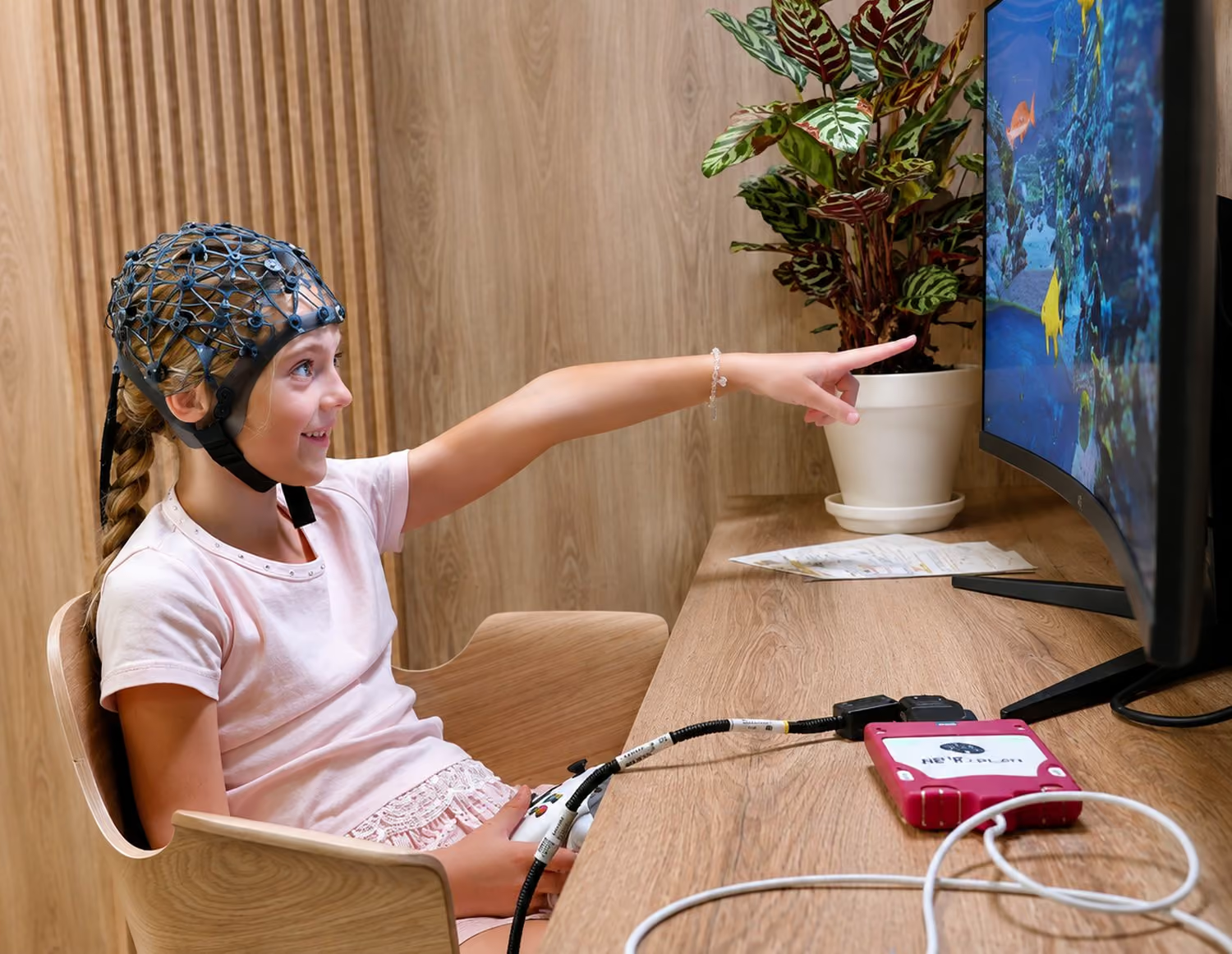
It seems like he has ADHD.
It seems like he is lazy.
It seems like it’s just age and he’ll grow out of it.
“It seems” is a poor basis for decisions about a child—especially when problems persist for years. The brain is not simply “bad character” or “poor parenting”: it has specific functions, and each one can be measured.
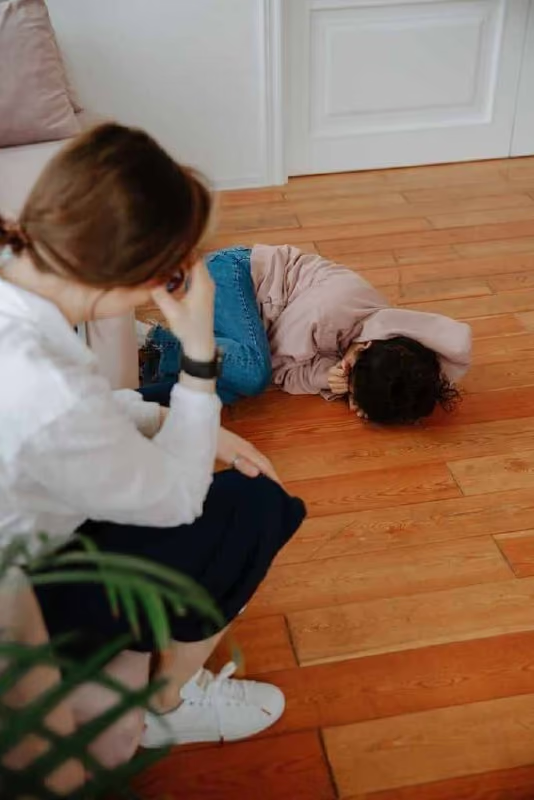
“I can’t cope anymore”
Every evening means homework, shouting, tears and bargaining. You no longer understand who is failing to hear whom.

“I think he has ADHD”
“He’s too active”, “just inattentive”, “that’s just his personality”. These behaviours can have different causes.

“Teachers say there are problems”
It’s been going on for a second year. One specialist says “yes, it looks like it”, another says “he’ll grow out of it”. No one has numbers you can rely on.

“There’s a diagnosis—but no programme”
You have the report. What to develop, in what order and using which method—it doesn’t say.

“He’s anxious and sleeps badly”
He won’t fall asleep alone, he worries, spirals, then melts down over small things by evening. The reason is unclear, and you’re left guessing.

“Everything seems fine”
But you want to know for sure. Before school, before heavy demands, before problems appear—like having tests done not because you’re ill, but to know what’s going on.


None of these situations can be explained by “bad character” or “parents not trying hard enough”.
Behind each one is physiology: how the brain sustains attention, calms arousal and recovers after demands.
Behind each one is physiology: how the brain sustains attention, calms arousal and recovers after demands.
All of this can be broken down into specific functions.
Brain mapping shows this objectively - with numbers, not impressions.
Brain mapping shows this objectively - with numbers, not impressions.
A reason to come in and find out what’s going on,
rather than waiting for him to “grow out of it”
Thank you! Your submission has been received!
Oops! Something went wrong while submitting the form.
What you get
Results review
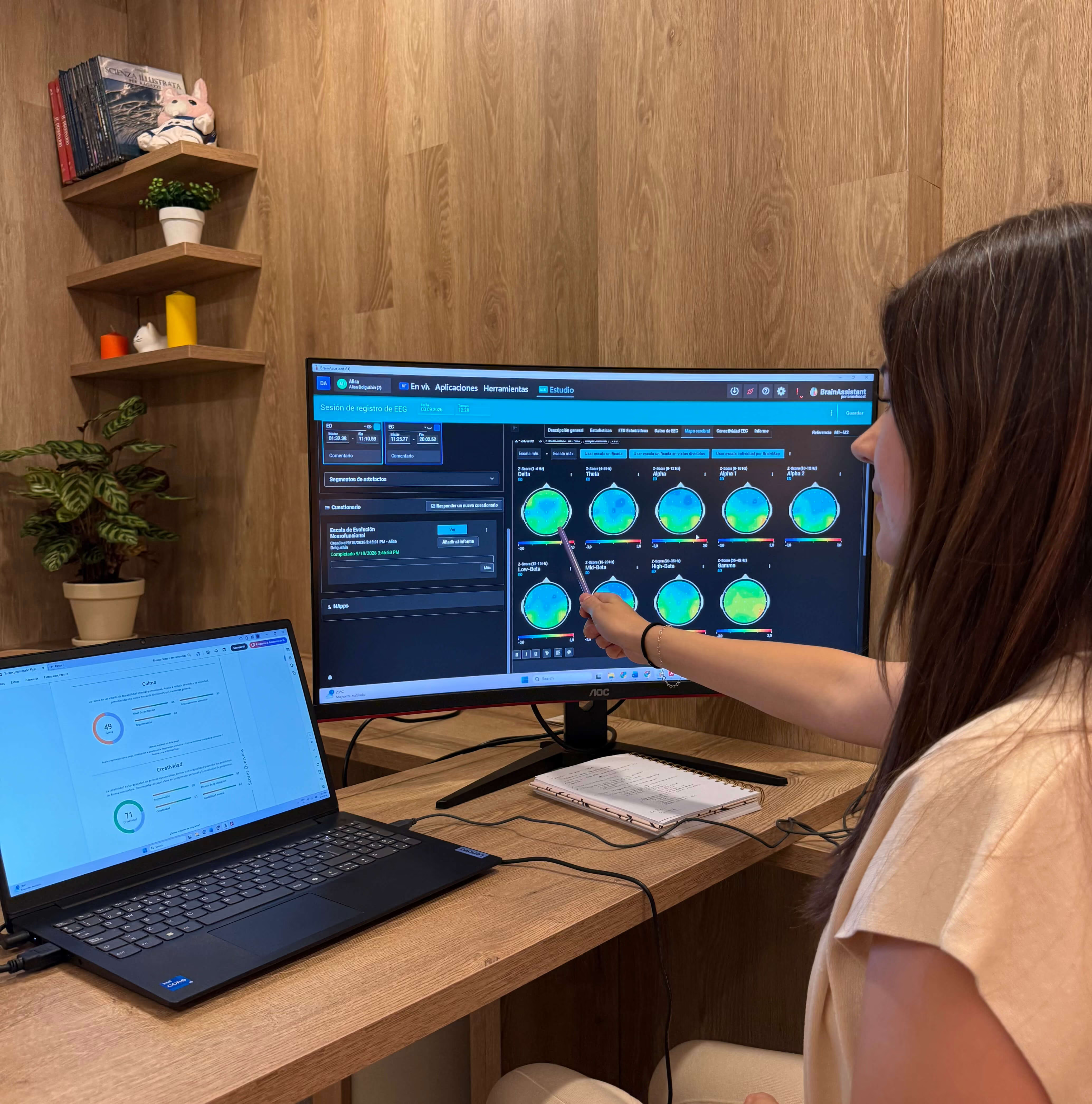
A specialist consultation: what the map shows, what it means and where to start
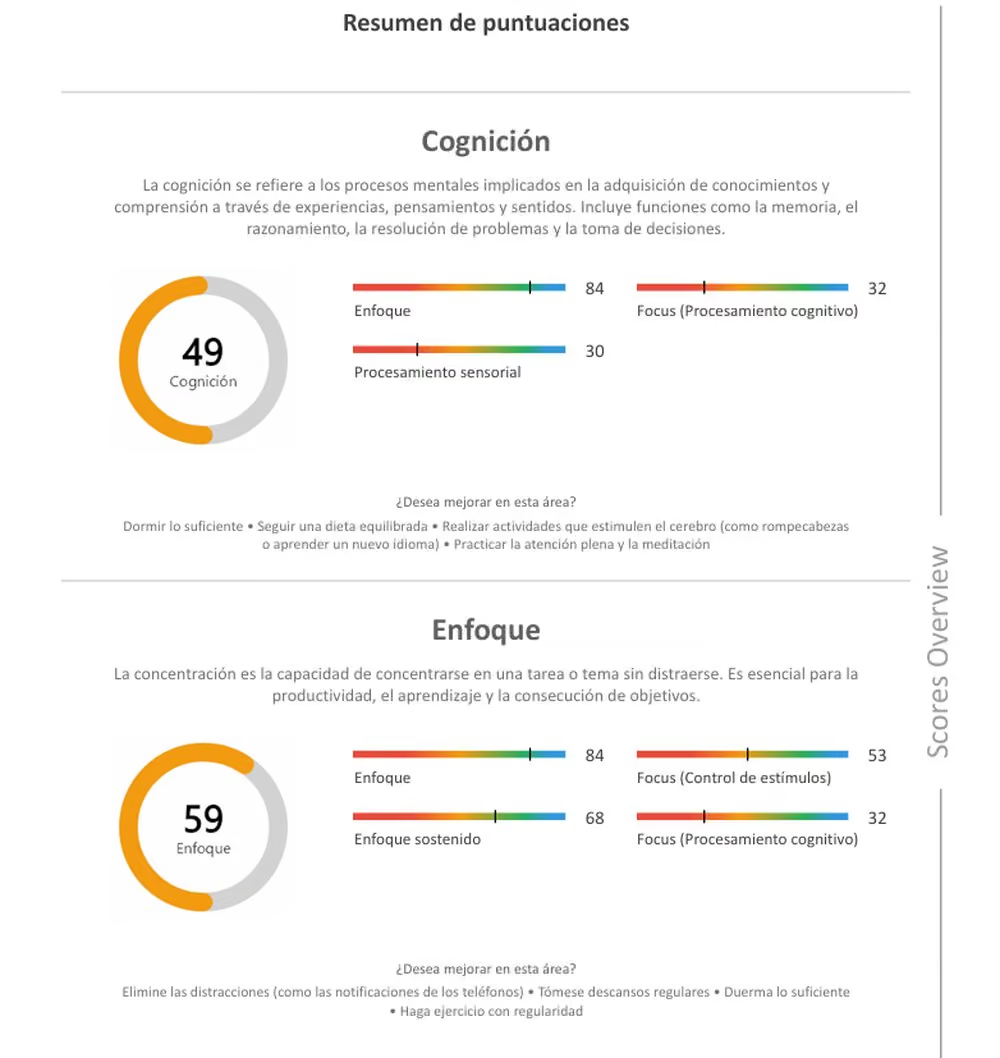
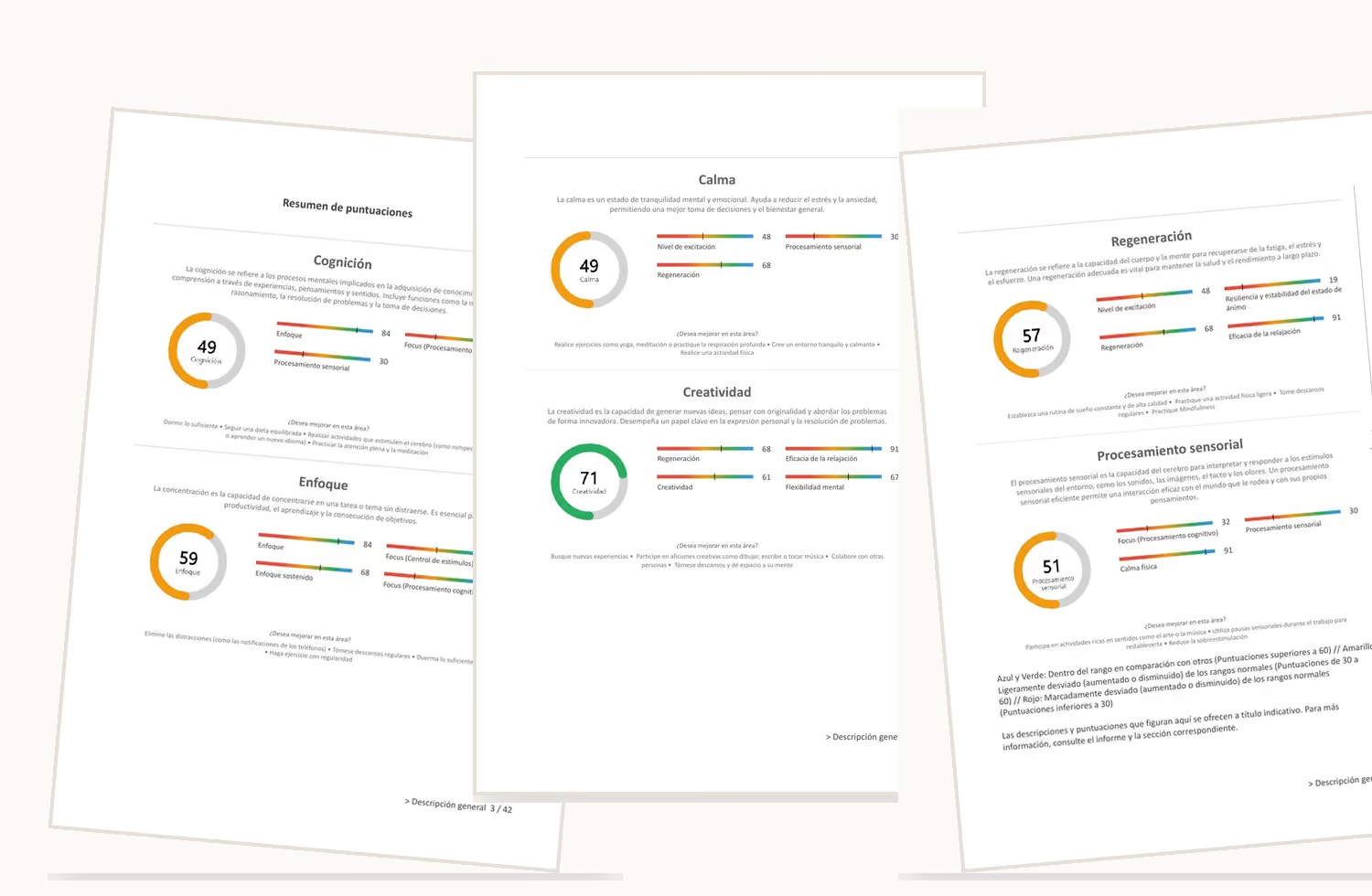
Full 50+ page qEEG report
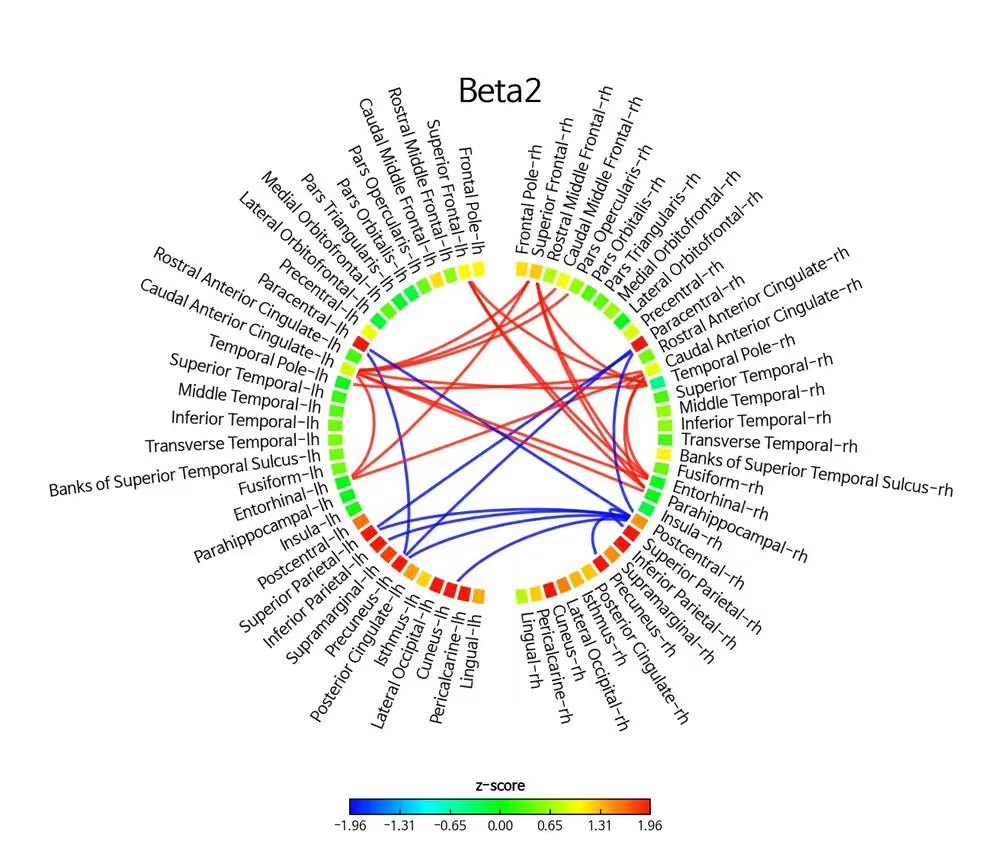
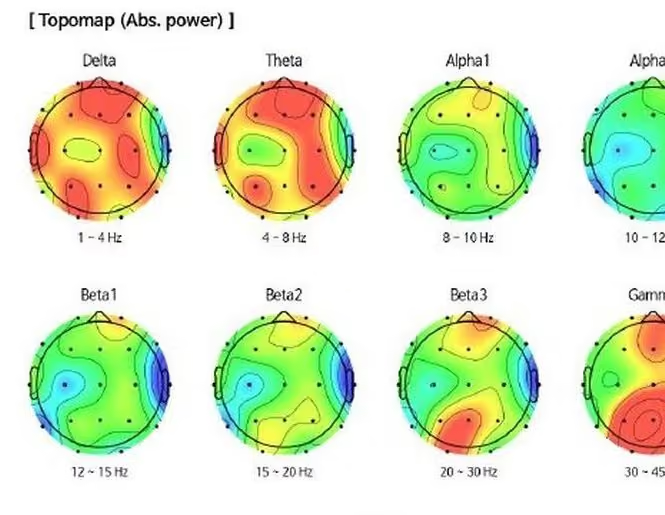
Power maps for each rhythm, Z-scores and connectivity maps
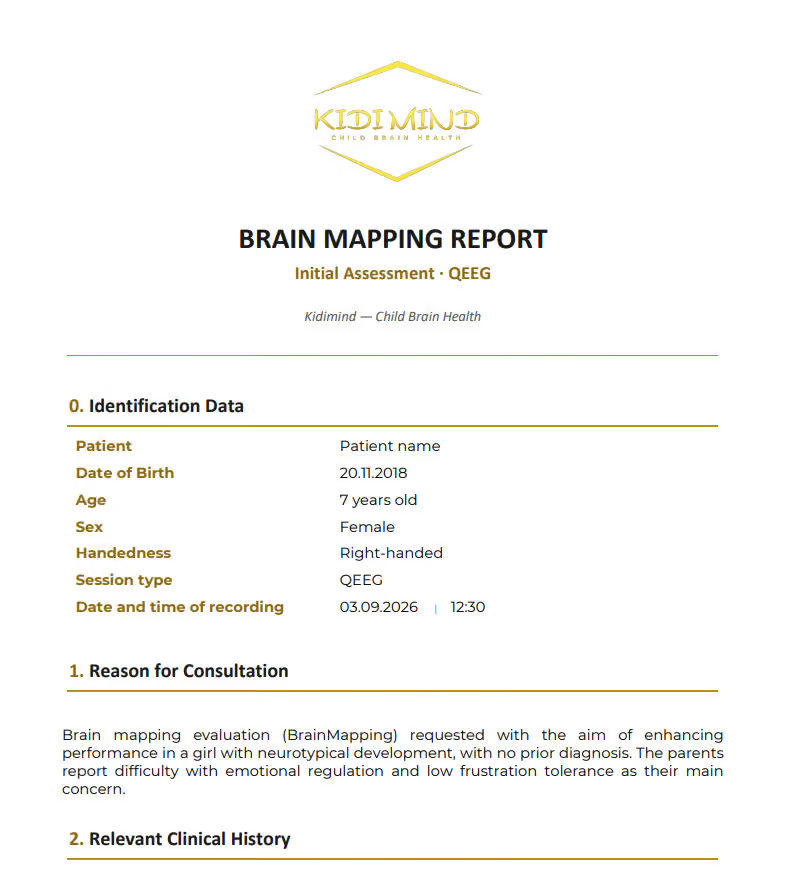
Specialist report
Specialist interpretation based on the brain mapping data
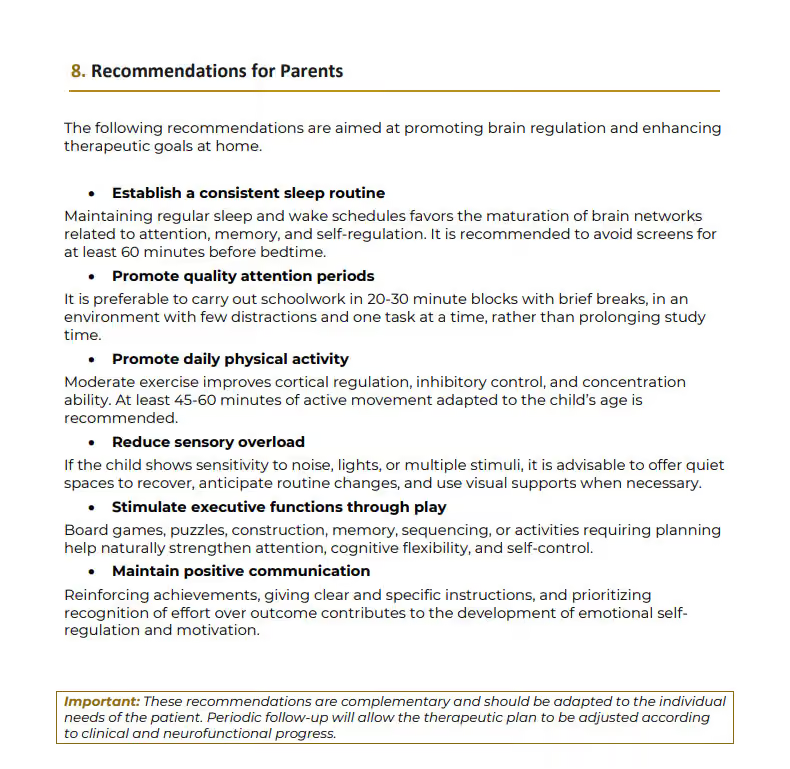
Personalised intervention plan
What to develop, which method to use and in what order

Recommendations for school
Workload, routine, how material is presented and what to ask the teacher for

A baseline
So that after 3–6 months you can see measurable change
🎁 Gift
A complimentary neurofeedback session.
After the review, you receive a trial session based on your actual report.
Book your assessment and claim your gift

€80
Example report
See what a completed report looks like
We’ll send you the child’s complete anonymised report: 50+ pages covering brain and cognitive function assessment, the specialist’s conclusions, school recommendations and the neurofeedback protocol
Thank you! Your submission has been received!
Oops! Something went wrong while submitting the form.
What’s included
🎁 GIFT neurofeedback session
Why simple testing can produce inaccurate results
Classical psychodiagnostics is an important tool, and we use it. But it has limitations: it does not directly measure brain activity or the connections within it.

Classical test battery
Measures based on behaviour and responses
- 6–7 hours of tasks, often across two or three visits
- By the end of the first hour, a child may be exhausted, so the result reflects fatigue rather than ability.
- Low mood, anxiety and not wanting to “take a test” can skew the assessment.
- A child may try to please the adult or, on the contrary, sabotage the task.
- Interpretation depends on the experience of the person conducting the assessment
- It answers the question “what did the child do?”, but not “why did they do it?”
Brain mapping · qEEG
It measures how the brain is functioning
- 20-minute recording: eyes closed, eyes open, short test periods
- The brain doesn’t get tired of “answering” — the device records electrical activity directly.
- Motivation does not affect signal recording.
- It can’t be faked: you don’t need to try, and there are no right answers.
- The data are calculated by an algorithm and compared with a normative database by age and sex.
- Shows exactly where the difficulty lies — and where to direct intervention.
Not a specialist’s subjective opinion, but 45 brain mapsacross all of its activity ranges
We don’t set methods against each other. Brain mapping provides an objective physiological foundation for clinical and neuropsychological assessment. Our specialists look at the child integratively — from different angles — and build one coherent picture rather than a collection of opinions.
Examples of the brain functions we assess.
We compare each one with age-appropriate norms, not with your impressions or the child next door.
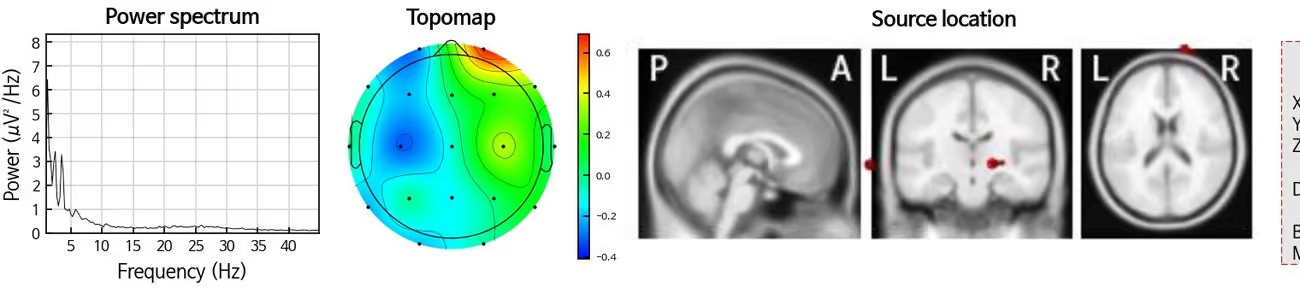
Cognitive processing32
Attention19
Self-regulation68
Creativity71
Sensory processing30
Mental flexibility67
Find out how the brain works specifically in your child
Mental flexibility: what your child will have to live with for the rest of their life

Of all the measures in the map, mental flexibility is one of the most important skills brain mapping can show.
It’s the ability to switch gears when a plan falls apart. To accept a new condition or rule. To handle a change of school, country, language, friends or work without falling apart. Mental flexibility is the foundation for later learning, career development and self-management.

High flexibility
The child adapts and moves forward: a new schedule, a new class or a new city becomes another challenge, not a catastrophe.
Low flexibility
The child gets stuck, and every change turns into a crisis for them and the whole family.
stress resilience
anxious arousal
ability to recover

Admission to top universities
The ability to adapt to new demands and learning formats — what separates children who thrive from those who burn out by graduation

Relationships and communication
The ability to adapt your thinking to the person and situation: to reach agreement, listen and find common ground within a team.

Your own business and projects
Entrepreneurial thinking starts with the ability to change the plan when the first one doesn’t work.

Leadership and an international career
A new country, language or team — a flexible brain adapts instead of getting stuck in stress.
This is what preparing a child for real life looks like:not through persuasion and motivational talks, but by developing specific brain functions.
Find out your child’s starting point and what to develop first
“For two years we thought,”
that he is lazy”
01 • The situation
12-year-old boy, private school, concerns about disorganisation. Five-hour school days, daily conflicts, and a teacher suggesting more pressure.

02 • Brain mapping showed
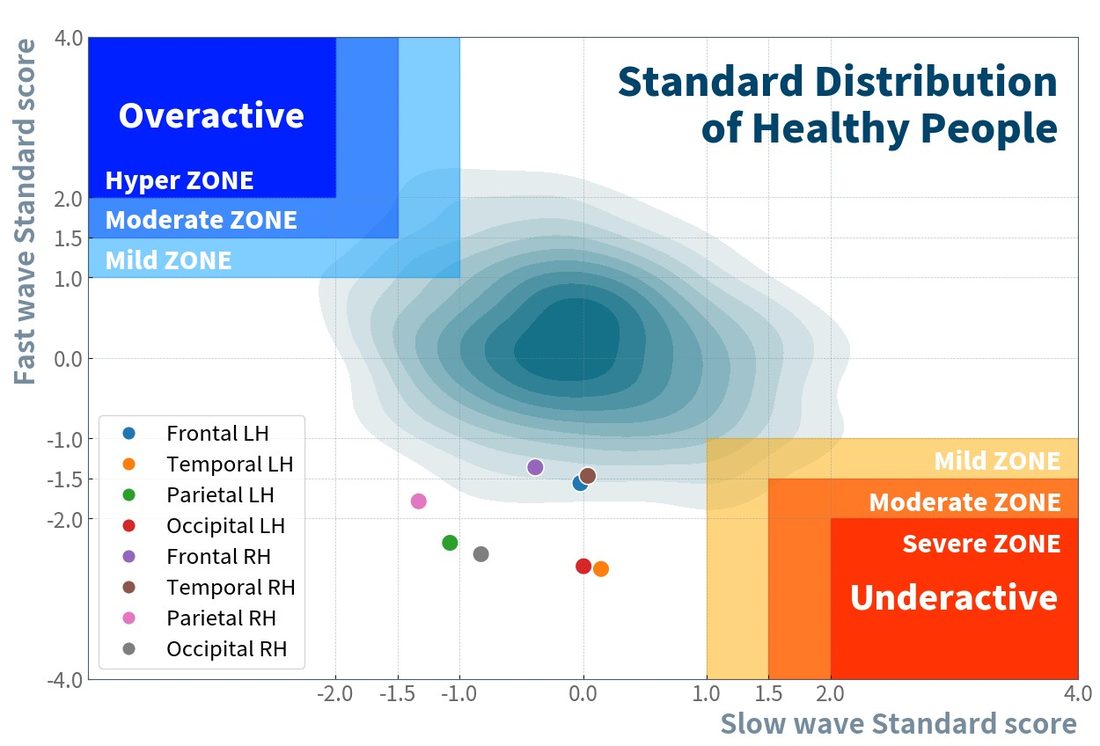
Marked excess theta activity in the fronto-central areas and an altered theta/beta ratio. This is a physiological pattern that can make it difficult to sustain focus even with strong motivation.
Plus reduced alpha reactivity: the brain was slow to switch into recovery mode.
Plus reduced alpha reactivity: the brain was slow to switch into recovery mode.
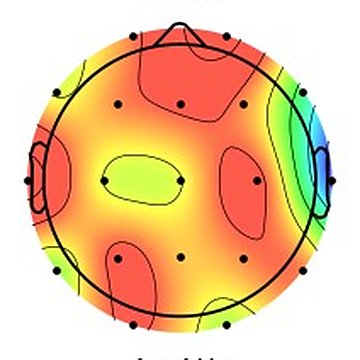
This is what excess theta in the fronto-central areas looks like.
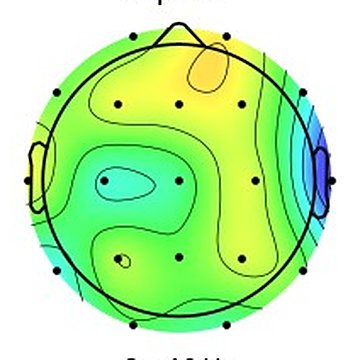
Alpha rhythm: used to assess reactivity and recovery
“
For two years I thought he wasn’t trying. It turned out he was trying harder than anyone — his brain simply shut down after seven minutes, and I had no idea.
An anonymised case from our practice. Published with the family’s written consent. The result of one child does not guarantee the same outcome for another.

Boy’s mother
12-year-old son
Fewer guesses —more objective informationabout your child’s health
If you’re a school or clinic
or a private specialist
We see children by referral.
The report is prepared as a medical document, including the methodology, equipment and recording conditions. If needed, we can discuss the case directly with your specialist.
The report is prepared as a medical document, including the methodology, equipment and recording conditions. If needed, we can discuss the case directly with your specialist.

KIDIMIND — a centre for children’s mental and brain health
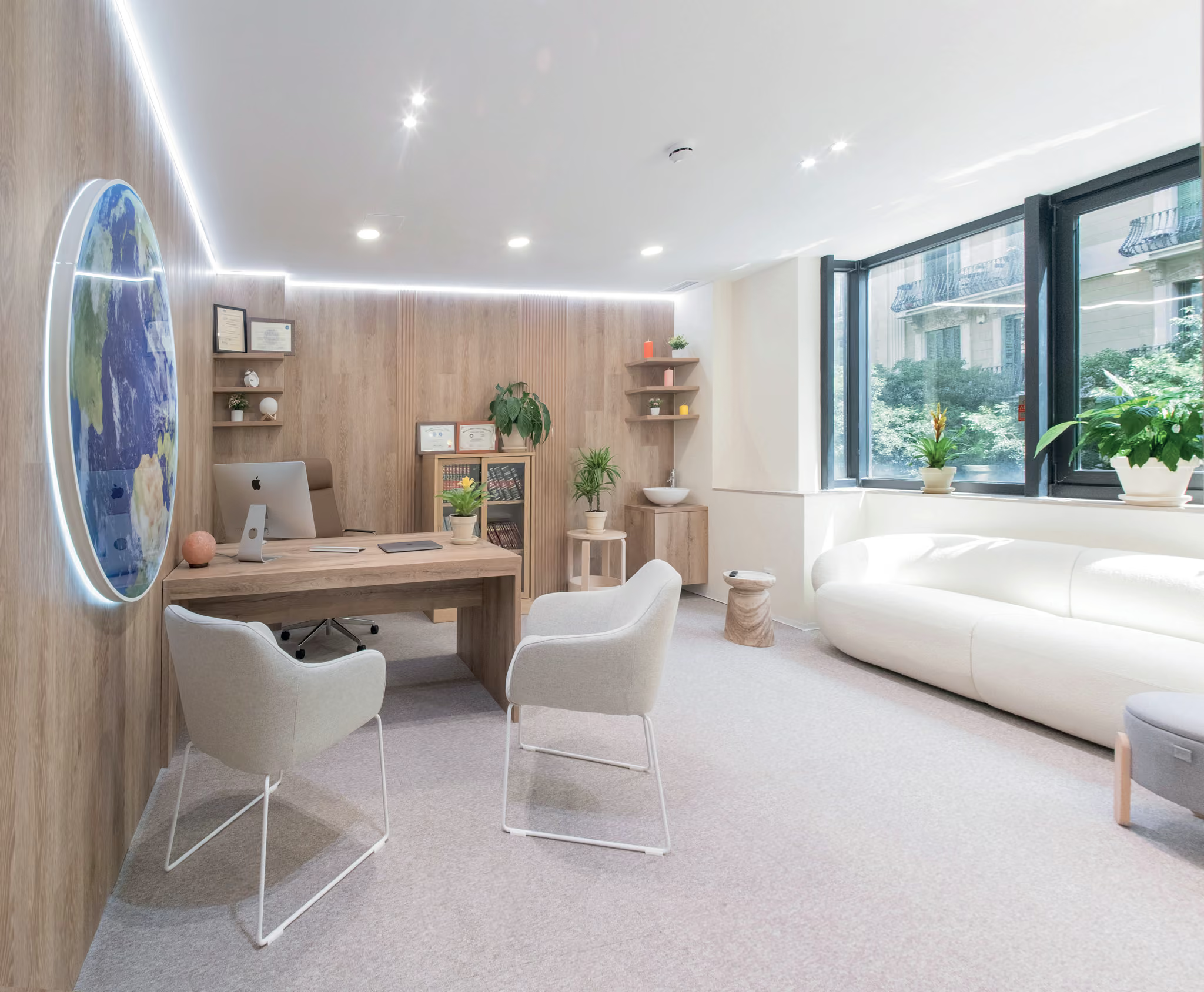
Diagnostic rooms
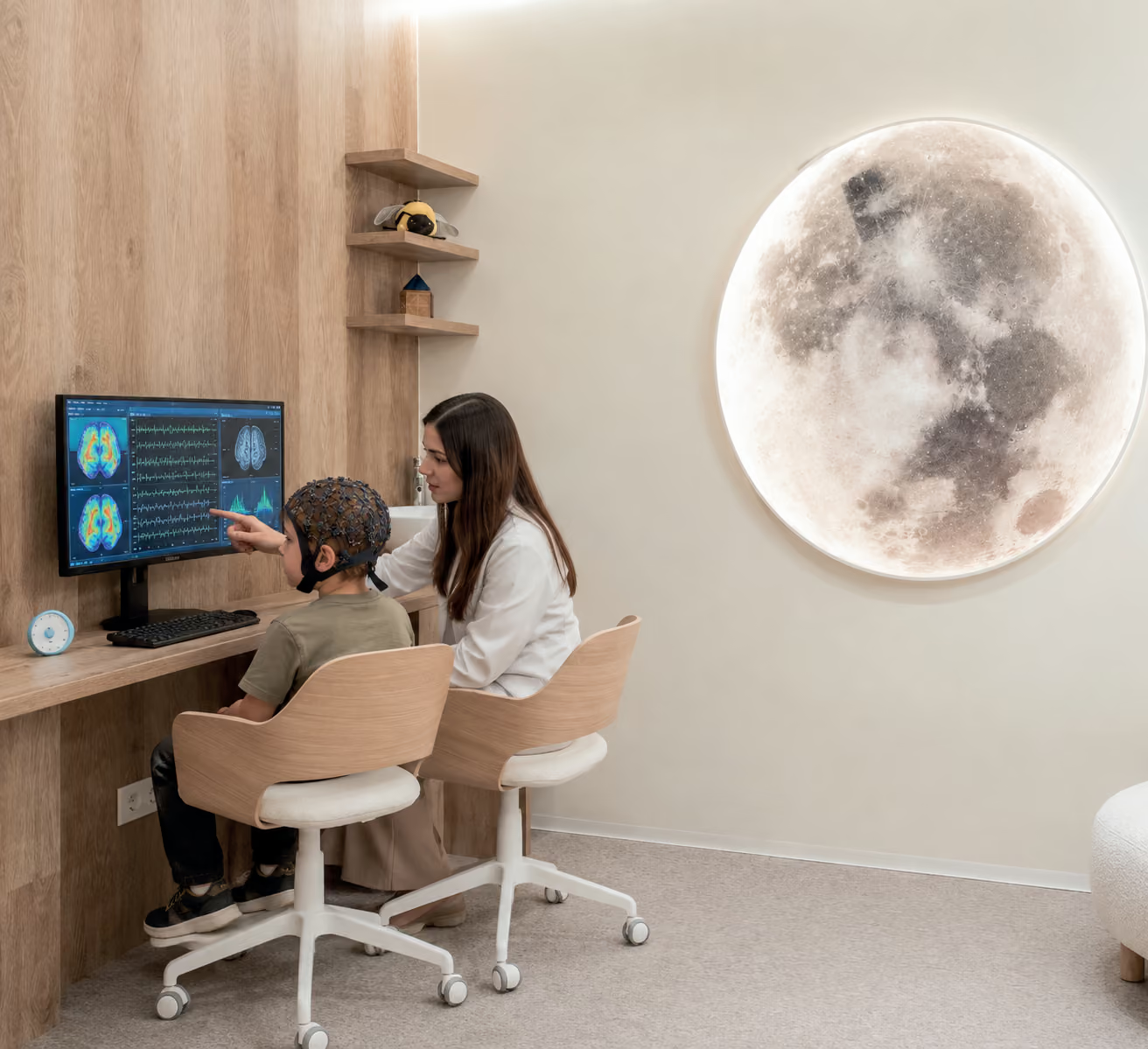
Neurostimulation and neurofeedback
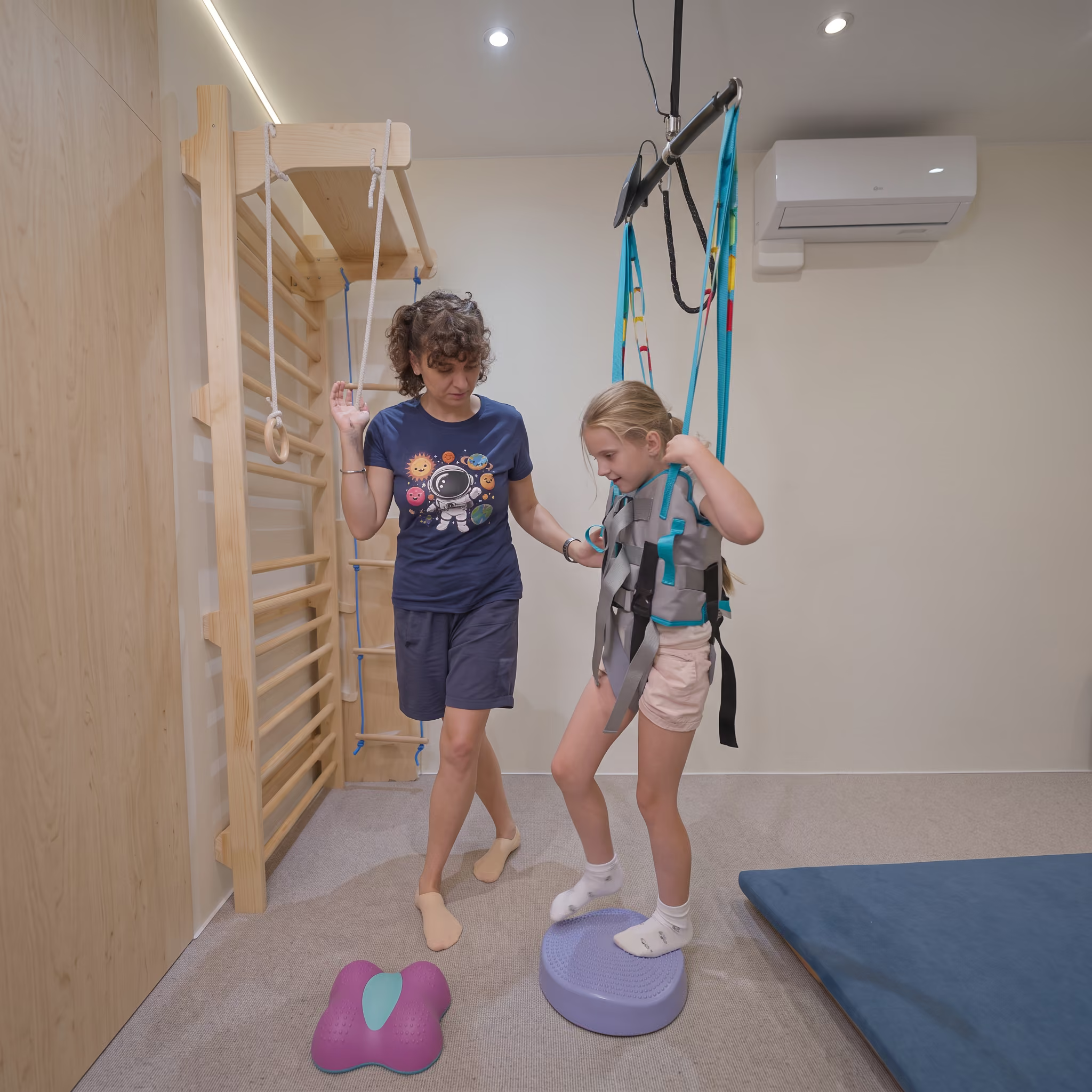
Rehabilitation room
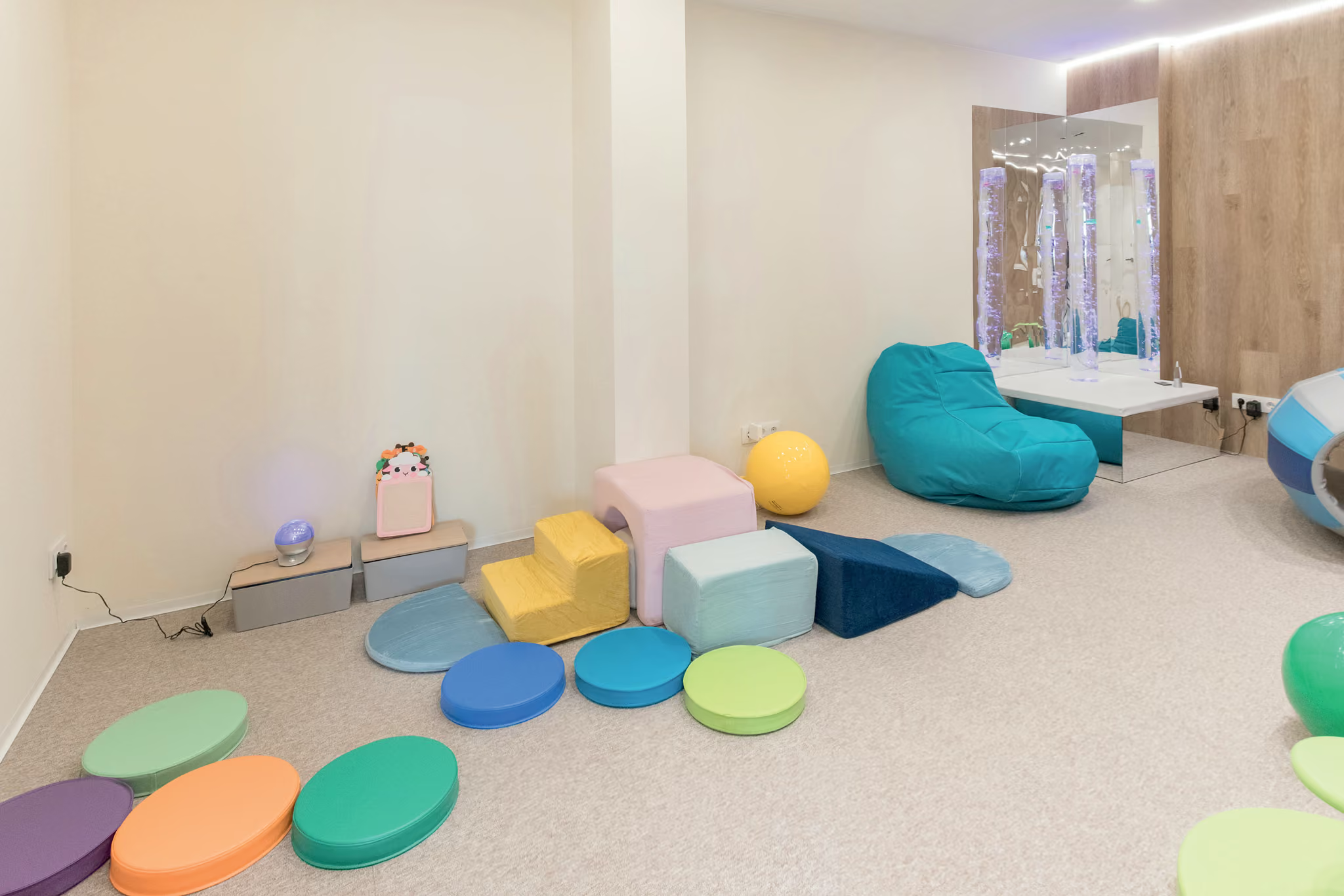
Sensory integration room
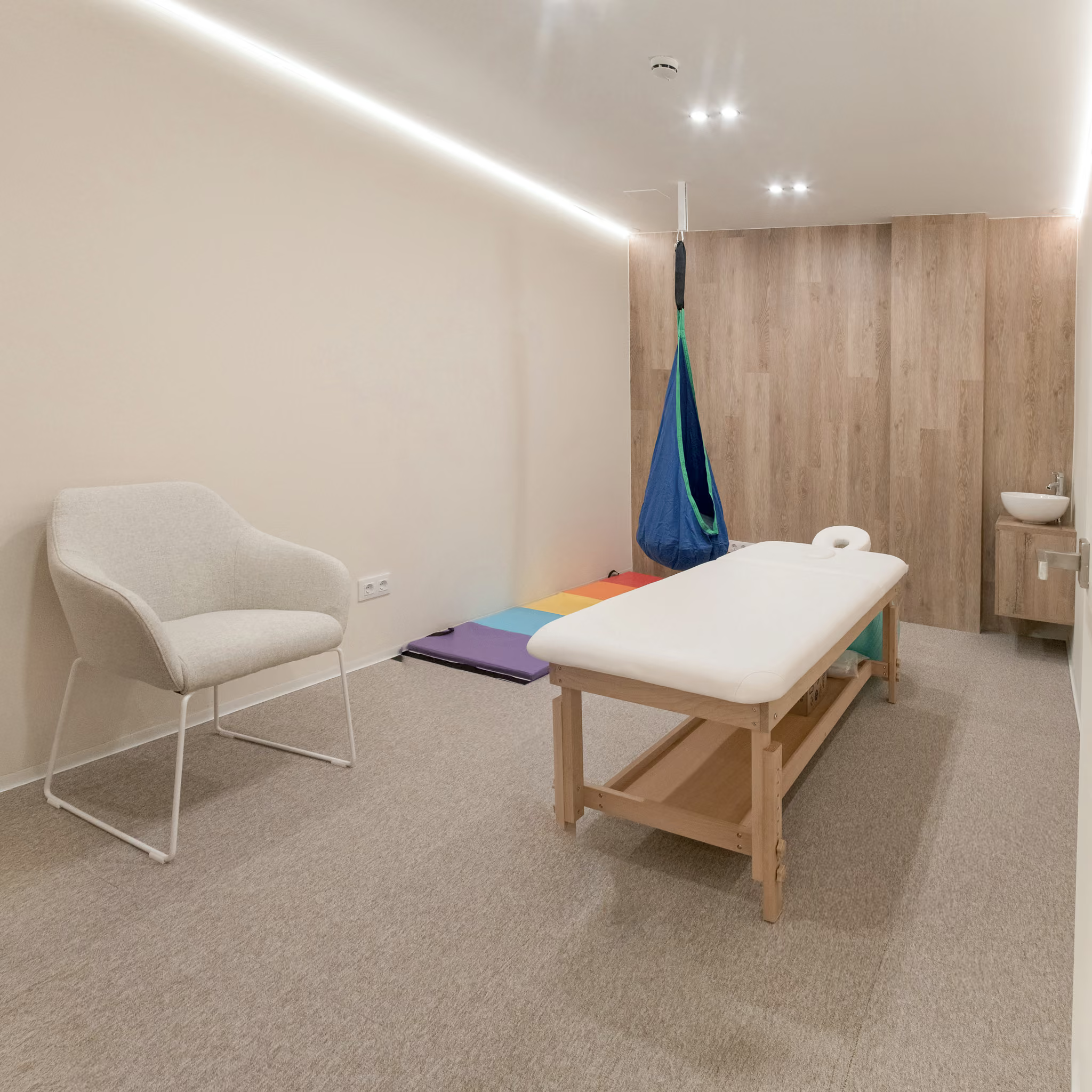
Physiotherapy room
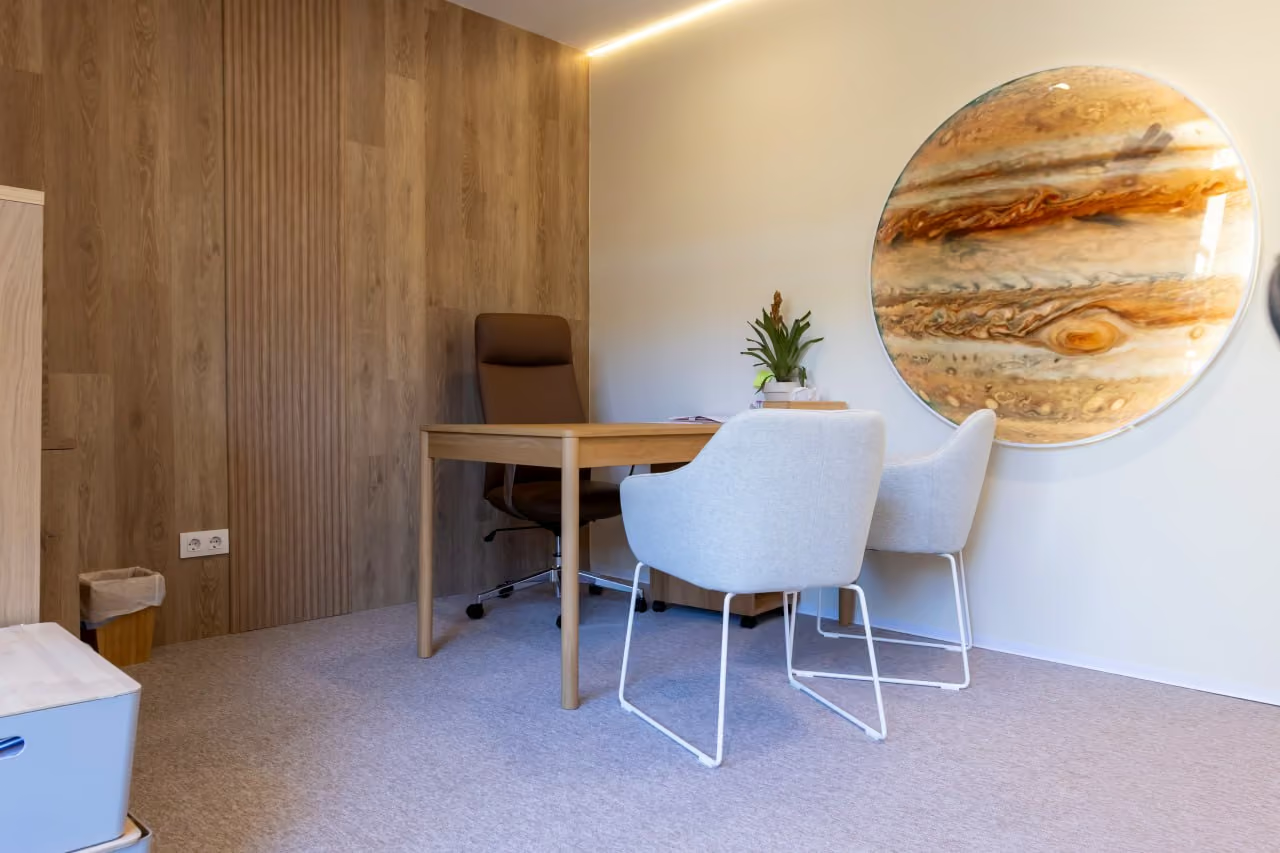
Therapy rooms
What’s included
🎁 INCLUDED FREE: one neurofeedback session
Frequently asked questions
Does brain mapping make sense if my child has no diagnosis?

Yes. Brain mapping is not only for children with an established diagnosis. Reasons to come in can include difficulties with concentration, learning or sleep, anxiety, quick fatigue, problems adapting, or a sense that your child is finding everyday demands harder than before. The assessment helps identify functional patterns in brain activity and whether there are findings worth paying attention to.
Can brain mapping show whether my child has ADHD, an anxiety disorder or another problem?
Brain mapping does not diagnose a condition on its own. qEEG shows patterns of electrical brain activity and helps the specialist identify objective functional patterns. The results are interpreted together with the child’s history, parents’ concerns and other clinical data. That is why a medical consultation is included in the assessment.
What will change after brain mapping? Will I only get a report, or will I understand what to do next?
You’ll receive more than maps and numbers. A specialist will explain the results in clear language: what they mean for your child, what deserves attention and what next steps may be useful. You’ll receive the full qEEG report, the specialist’s conclusions, an intervention plan and school recommendations. If neurofeedback is indicated, the mapping results can be used to select an individual protocol.
Is the assessment suitable for my child if they find it difficult to sit still for long, feel anxious or dislike doctors?
For a child to have qEEG recorded, they don’t need to solve tasks, give “right” answers or undergo hours of testing. During the assessment, brain electrical activity is recorded with eyes open and closed. If you’re unsure whether your child will be able to complete the assessment, tell us before the visit. We’ll explain how it works and how best to prepare.
How do we know whether we should book brain mapping at all?
If you’ve been noticing difficulties with attention, learning, self-regulation, sleep, adaptation or coping with demands for some time and want to understand what may be behind them, brain mapping can be one source of objective information. If you’re not sure whether the assessment is right for your child, message us and briefly describe the situation. A specialist can advise whether it makes sense to start with qEEG or whether another type of assessment should come first.
What if the results are within the normal range?
That is also a result. You’ll have an objective baseline and can see whether there is reason to look for the cause of the difficulties within the brain functions assessed, or whether it makes more sense to look in another direction. The purpose of brain mapping is not necessarily to “find a problem”, but to give you data you can rely on when making the next decisions.
Can we choose just one method?
Technically, yes, but we don’t recommend it. Results come from a coordinated programme, not a standalone service.
How long does one session take?
Depending on the method: 30, 45 or 60 minutes. Sessions are shorter for younger children.
How many weeks does the course last?
A meaningful minimum is 8–12 weeks. After that, we reassess and decide whether to continue or change the programme.
Can this be combined with other specialists?
Yes, but coordination is essential. Conflicting approaches running in parallel can slow progress; we’ll help align everything into one coherent plan.
What is included in the price of one module?
The session itself, documentation of the specialist’s observations, and sharing the data with the team for coordinated care. The price of each method is listed in the Prices section.
Do you offer anything online?
Some formats are available online: telemedicine consultations, parent coaching and some cognitive modules. Sensory, motor and instrumental technologies require in-person sessions.
What if my child refuses to participate?
That’s a normal stage, especially at first. We have onboarding protocols and an adapted environment. Therapy starts at the level where the child can stay engaged.