 01
Early childhood
- finds it hard to ask for help
- changes of activity cause distress
- needs support to take turns in play
- daily routines need a lot of help
- adults don't know how to prepare the child for what comes next

An intervention based on applied behaviour analysis, with individual goals for communication, learning and independence.
It starts from an assessment and your family's priorities.
ABA stands for applied behaviour analysis. With children it is used to understand how the child learns and to build useful skills for communication, independence and participation.
The same behaviour can appear in different settings and serve different purposes. We look at what happens before and after, what the child needs to communicate and what support is missing.
These situations can be a reason to ask for guidance. An assessment helps to understand what support each child needs.
01 02
 03

Tell us what worries you. We'll guide you on the assessment and the next step for your family.
What we use depends on the question and on the child's needs. Not every tool is used in every case.
We gather the family's priorities, the child's strengths and the situations that worry you.
We analyse what comes before, the response and what follows in the situations that matter.
Sequences, previews of what's coming and choice options when they help.
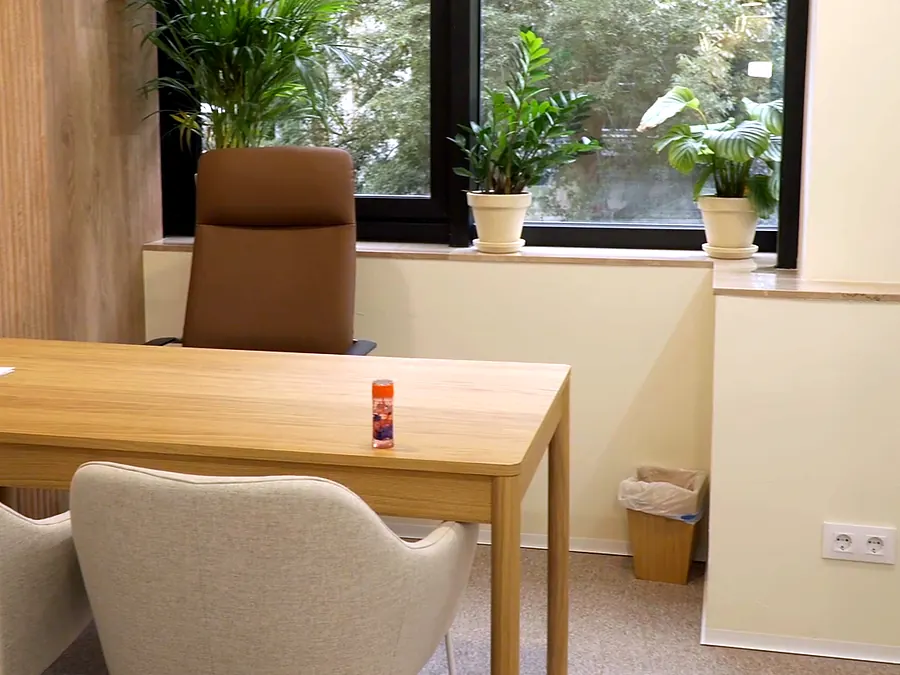
Practising accessible ways to ask for help, a break or an object.
Functional skills, the level of support needed and wellbeing in the chosen situations.
At the end we agree on priorities and the next step. If another assessment is needed, we explain why.
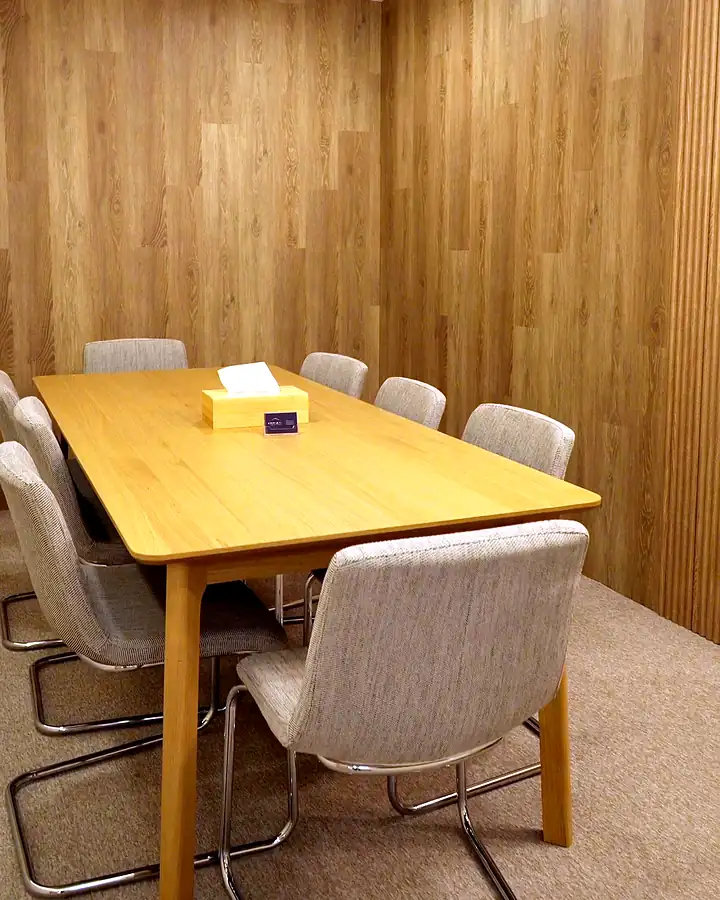
We agree priorities with the family and review the plan according to the child's needs.
 01
Before stepping in, we observe what is happening and what the child may be communicating.
 02
We work on accessible ways to ask, choose, take part and rest.
 03
Goals must protect the child's dignity, preferences and ways of communicating.
 04
What matters is what changes at home and at school, not only what happens in the session.
We review the information you already have and agree what needs assessing before suggesting the next step.
The proposal is tailored to each case. The team will explain which steps it recommends and what each one includes.
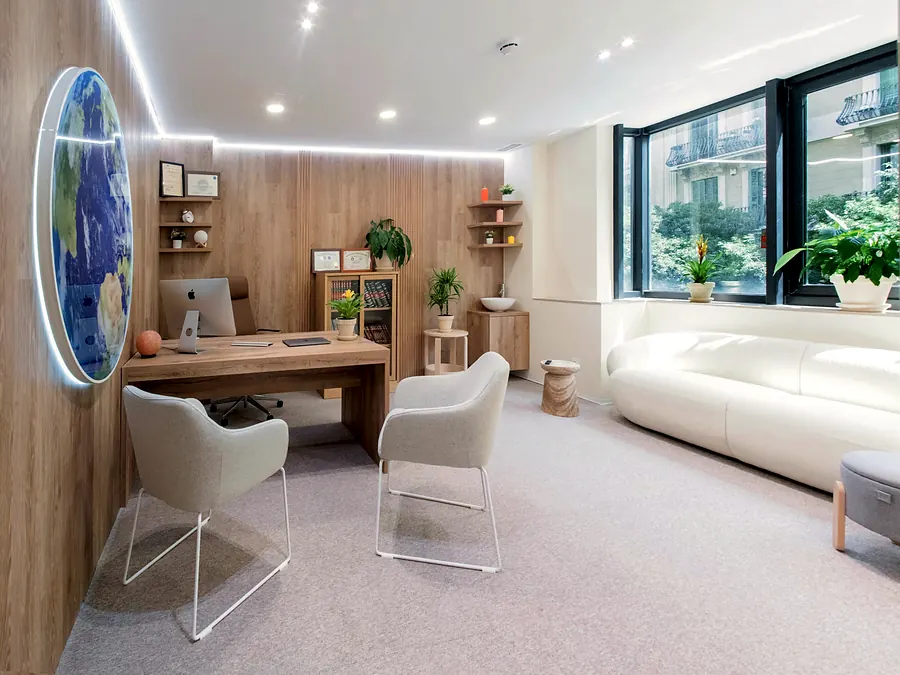
No child receives "everything": the plan is built around their specific profile. This is a typical set of modules for autism.
Intensity is agreed after the assessment and reviewed according to the goals, the load on the family and the child's response.
We share observations and agree how you can be involved, taking your family's time and daily routine into account.
Functional skills, the level of support needed and wellbeing in the chosen situations.
Clear information and a next step agreed with the team.
The plan is reviewed according to your child's needs and response.
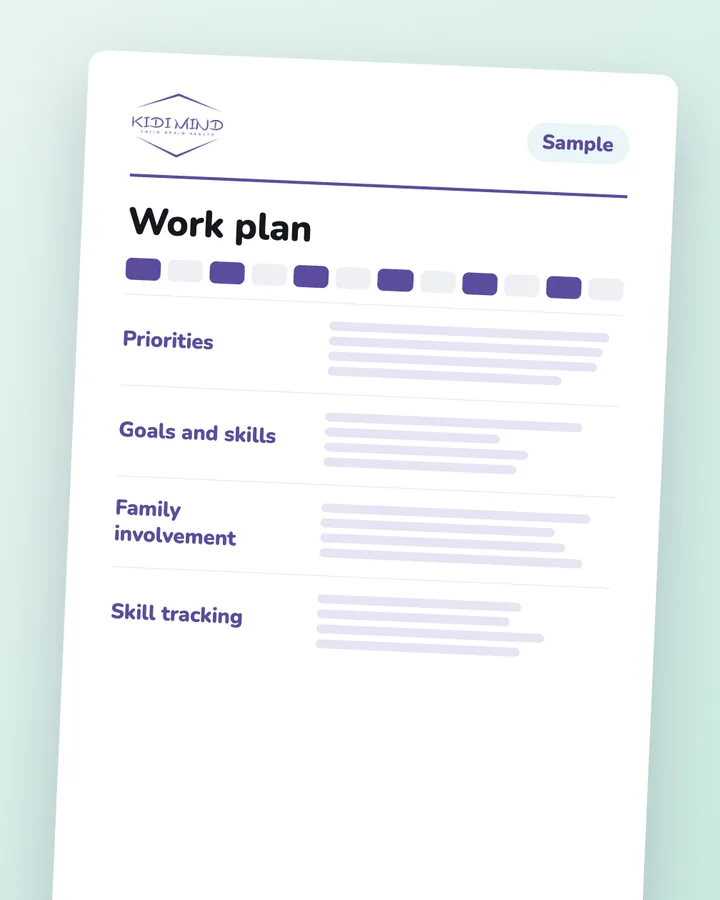
Doctors and therapists with international experience. Every child is supported by the entire team.
On this topic
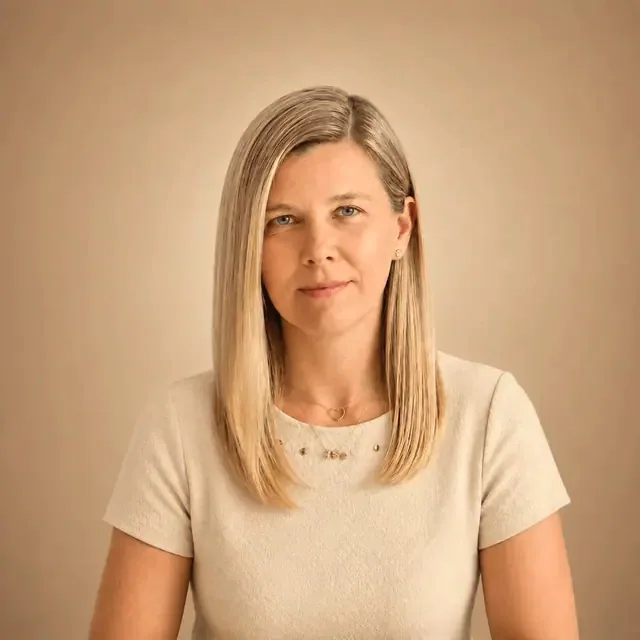
Clinical Coordinator
Clinical psychologist, specialist in pediatric intervention with experience working with children with ADHD, ASD, and learning difficulties. Focus areas: neurodevelopment, emotional regulation, and family support.
Professional Registration Number 36681

Neuropsychologist
With a warm, empathetic, and evidence-based approach, I support children, adolescents, and families through assessment and intervention processes, identifying both their needs and their strengths. My goal is to make daily life more manageable for neurodivergent individuals and their surroundings, promoting their wellbeing and quality of life.
Professional registration number: 30488
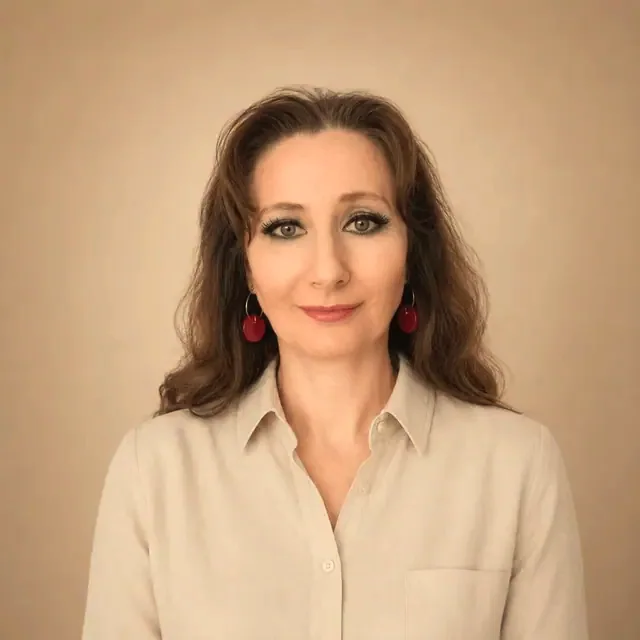
Child and Adolescent Psychologist
Clinical psychologist with over 24 years of practice, member of the Official College of Psychologists of Catalonia. Focus areas: psychotherapy for children and adolescents, anxiety disorders, trauma, ADHD, adjustment disorders, and family work. Integrative approach: CBT, ACT, trauma therapy, systemic family therapy.
Professional registration number: 29589
The rest of the team
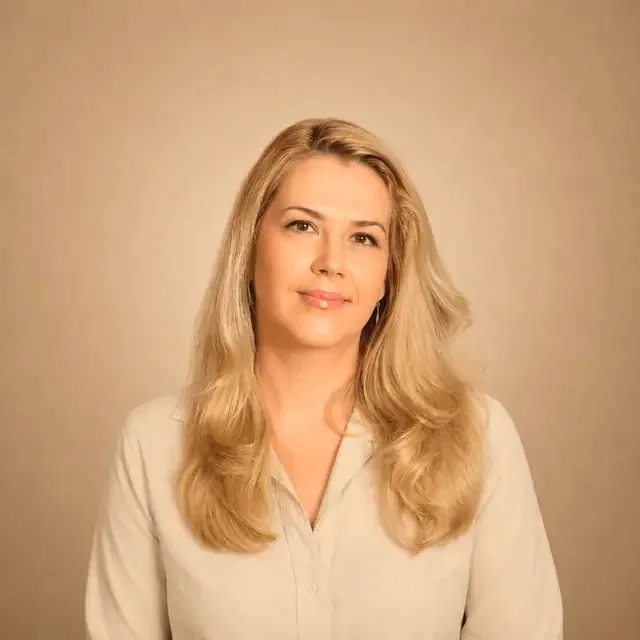
Medical Coordinator
Physician (MD), pediatric neurologist, epileptologist, specialist in rare genetic and metabolic disorders. PhD research fellow at Sant Joan de Déu Hospital, Barcelona, Spain.
Professional registration number: 51436
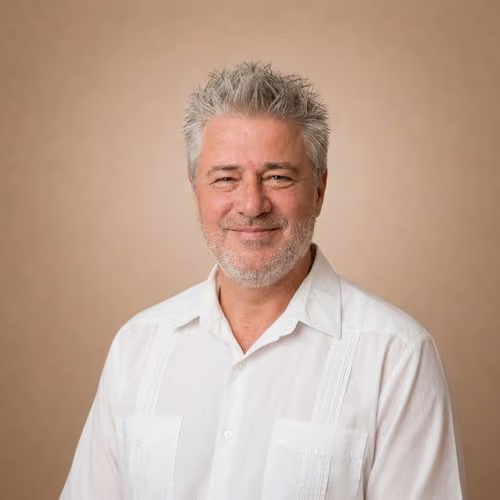
Advisor
Psychologist and Therapist for Adults, Couples, and Families Master's Degree in General Health Psychology, Master's Degree in Clinical and Health Psychology, and Postgraduate Training in Clinical Psychopathology. Specialist in Emergency Psychology and family interventions in high-complexity cases.
Professional Registration Number (COPCA): 17130
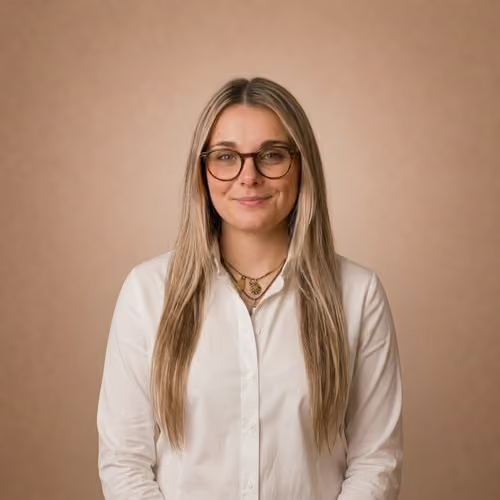
Sensory Integration Specialist / Occupational Therapist
My work consists of helping children develop the skills they need to participate in their daily lives with greater autonomy and wellbeing: playing, learning, building relationships, getting dressed, eating, resting, and enjoying their routines.
Professional registration number: 46201265
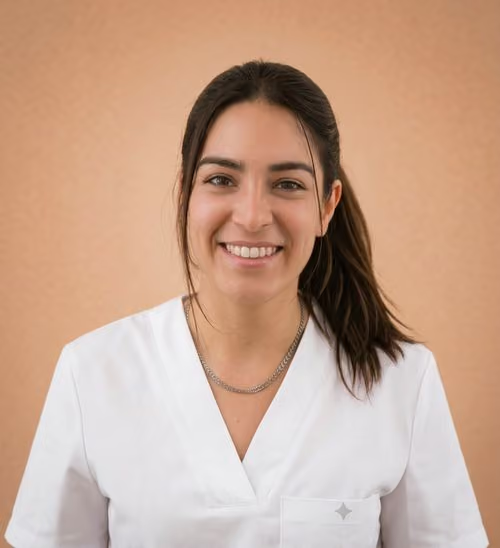
Pediatric Physiotherapist
Passionate about child neurodevelopment and supporting every child through their growth journey. I work with warmth, play, and movement, respecting each child's pace and needs, as well as those of their family.
Professional registration number: 18040
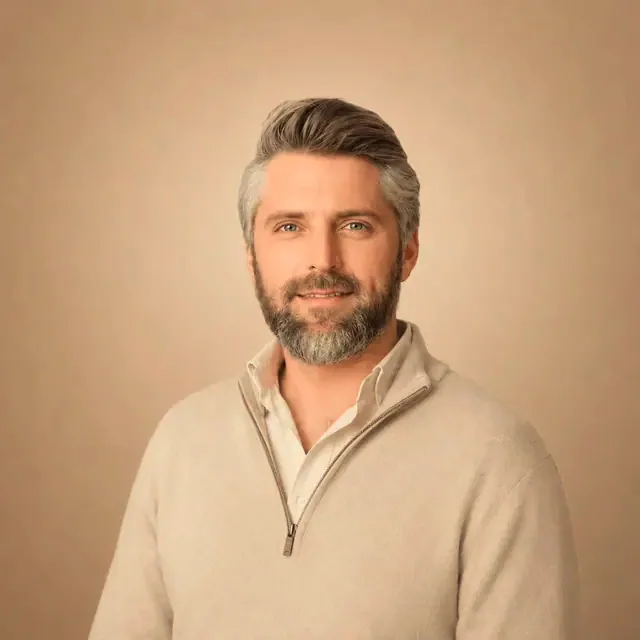
Chief Executive Officer (CEO)
International expert on the development of cognitive and behavioral skills of the human brain.
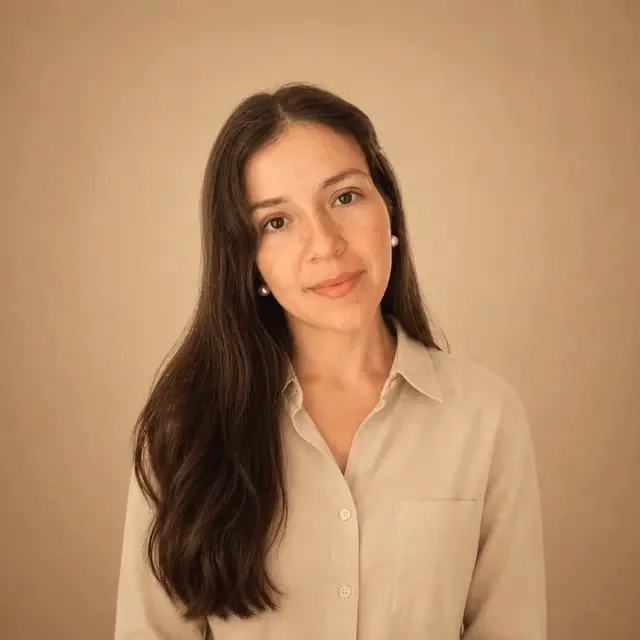
Dietitian
Expert in selective eating. Experience designing diets based on metabolism and microbiome analysis / experience working with individuals with autism and food selectivity.
Professional registration number: CAT002684
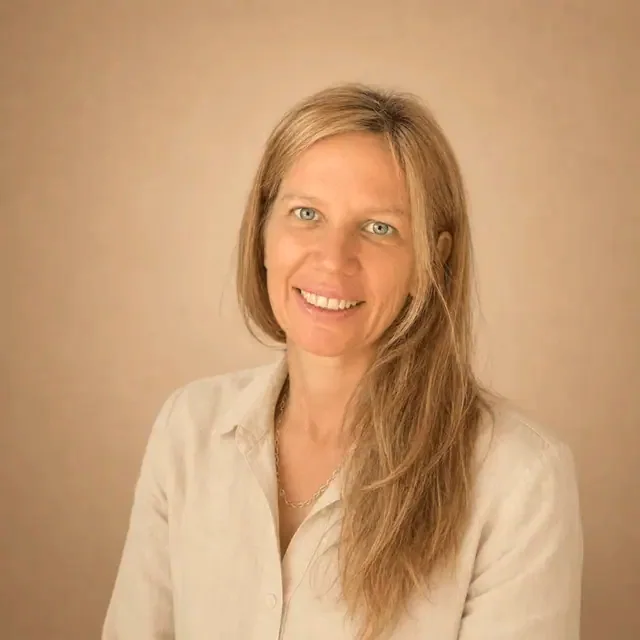
Pediatrician specialising in child mental health
Pediatrician and neonatologist, trained in child and adolescent neuropsychiatry, specializing in neurodevelopmental disorders (autism spectrum disorders, ADHD, anxiety disorders, and emotional regulation difficulties in teenagers).
Professional registration number: 63497
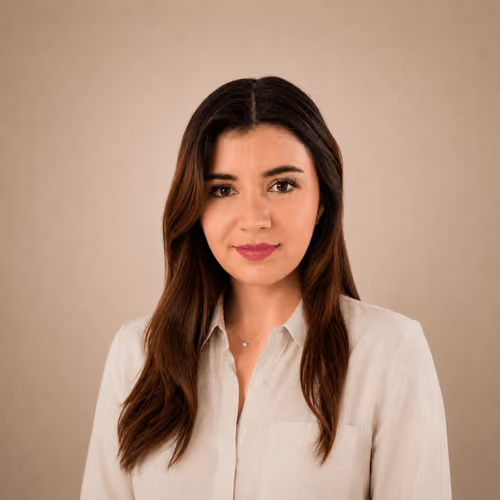
Neurofeedback and Brain Mapping Technician
Expert in neuropsychological diagnostics, cognitive rehabilitation, and neuromodulation with over 10 years of experience. Board-certified neurofeedback practitioner (BCN, BCIA). EMDR therapist. Master's student in Neurosciences.
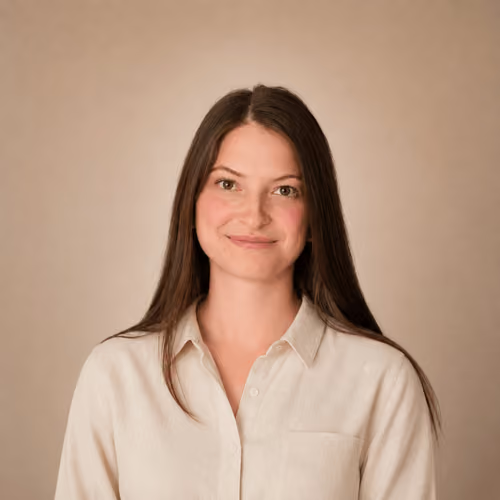
Pediatric Massage Therapist
Specialist in motor development for children from birth to 12 years. Over 11 years of clinical experience. Focus areas: motor developmental delays, movement disorders, and integration of primitive reflexes.
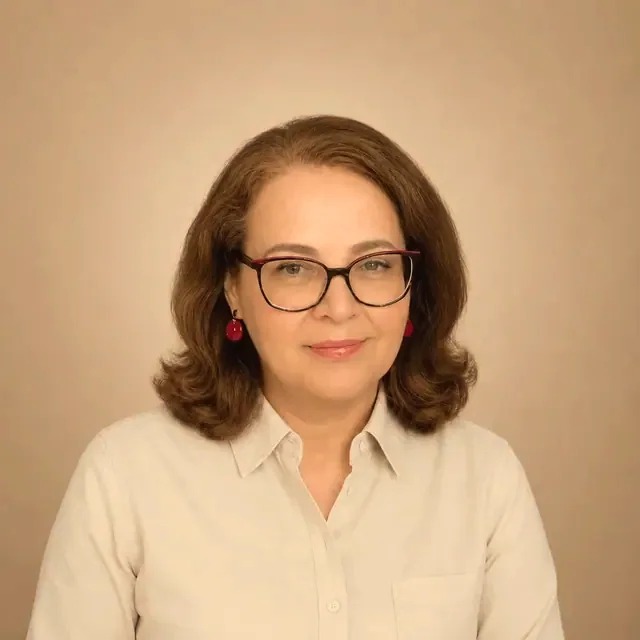
Pediatric Physician
Pediatrician with more than 35 years of experience in neonatology and intensive care. Focus areas: pediatric neurology, neonatology, and ultrasound diagnostics.
Professional registration number: 61652
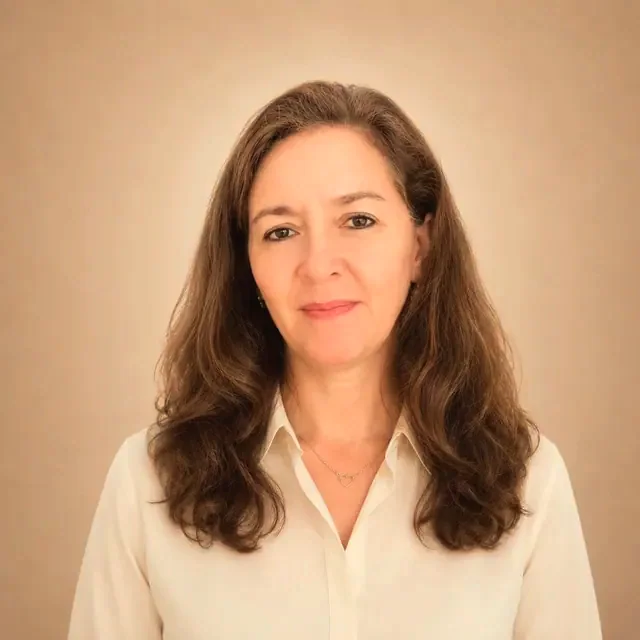
Physiotherapist
Over 20 years of experience in pediatric rehabilitation and special education. Specializes in enhancing mobility, fostering independence, and promoting inclusion for children with special needs.
Professional registration number: 18405
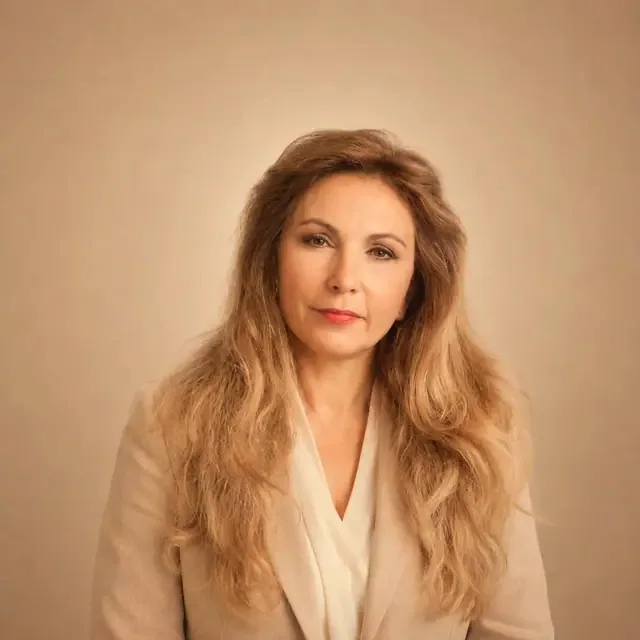
Psychiatrist
A psychotherapist with experience in the leading addiction treatment center in Europe. Specializes in the treatment of patients suffering from substance and behavioral addictions
Professional registration number: 49839
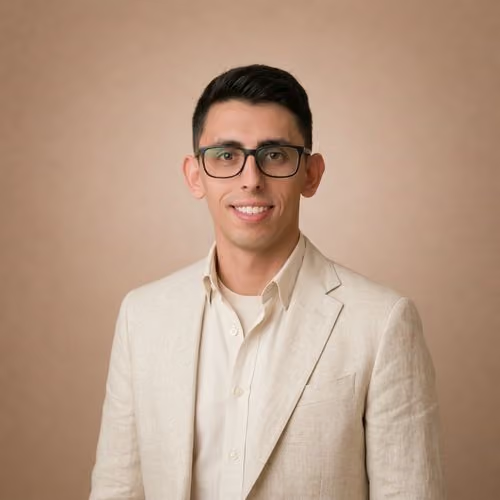
Licensed psychologist with a Master's degree in Forensic Psychology
Specializing in expert witness reports in civil, criminal, and family law contexts. He has over ten years of experience in clinical and socio-community psychology, primarily working with children and families in vulnerable situations. His approach integrates a systemic and psychodynamic perspective with cognitive-behavioral techniques. He works with children, adolescents, and adults, providing family support and individual psychotherapy.
Professional registration number: 32258
Pediatric neurologist
Languages: Spanish, English. Patients: 0–18 years.
Professional registration number: 66979

Speech therapist
Languages: Spanish, English. Patients: 3–18 years.
Professional registration number: 5343
Neuropsychologist
Professional registration number: 29591
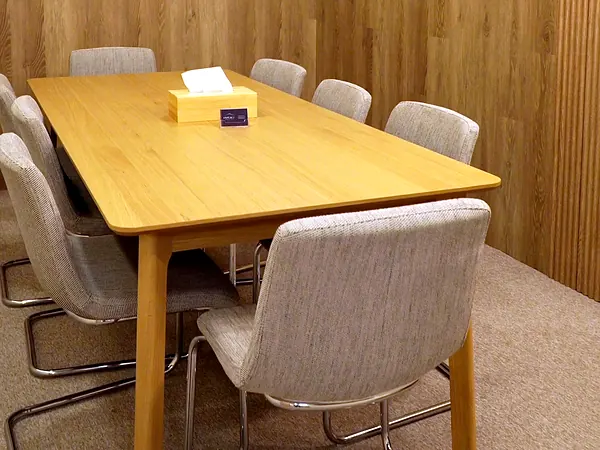
A neurologist, psychologist, speech therapist, rehabilitation specialist, nutritionist, and geneticist hold a case conference for every child. The care plan is developed collaboratively.
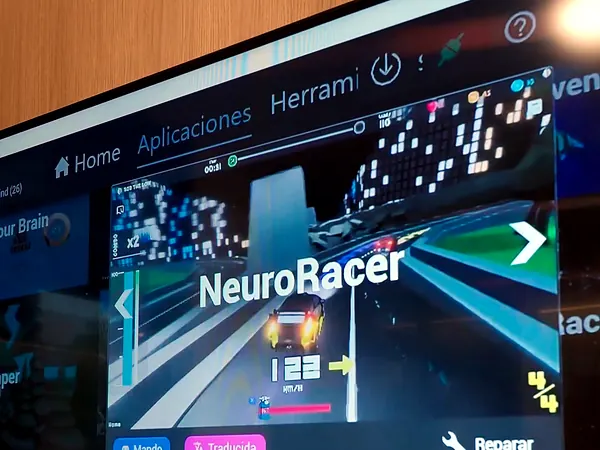
Every method and technology has been tested and is used in real clinical practice. No pseudoscience.
We combine genetics, metabolism, QEEG, neurofeedback, VR, and classical therapy into one plan for one child.
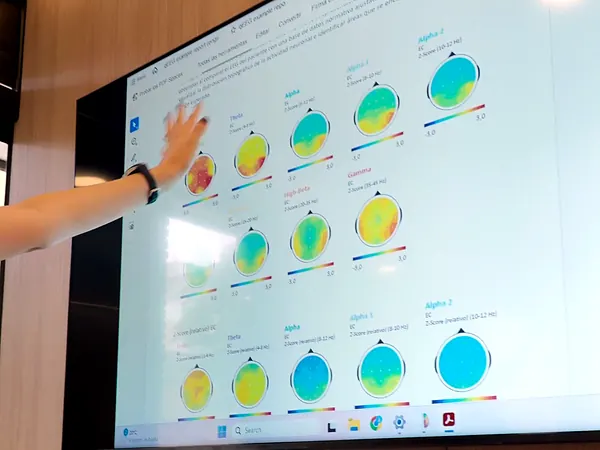
Your child's progress is tracked using specific scales and metrics. Every 8–12 weeks - goals are re-evaluated. You see what's improving and what needs plan adjustment.
Tell us what worries you. We'll guide you on the assessment and the next step for your family.
Answers to a few common questions before the first visit.
ABA stands for applied behaviour analysis. It looks at how skills, behaviour and the environment relate to each other in order to plan an intervention.
No. The goals focus on communication, independence and participation, respecting the child's preferences and wellbeing.
We don't treat it as a goal in itself. Communication should be judged by how useful it is for the child, not by whether it looks a certain way.
By sharing priorities and observations and practising guidance that is manageable. The plan must take your time and resources into account.
There is no figure that fits everyone. Intensity is agreed after the assessment and should be reviewed according to the goals and how well the child tolerates it.
When the goals complement each other, coordination can be considered. It's best to agree what each professional works on, to avoid conflicting demands.
We stop, try to understand what is happening and adjust the activity. Participation and wellbeing are part of how the plan is reviewed.
Contact KidiMind to find out the price of the assessment and sessions, and what coordination or follow-up they include.