Some causes show on examination
Muscle tone, reflexes, gait, growth and head circumference tell the doctor where to look next.

A paediatrician, a paediatric neurologist and a geneticist look at how your child grows, moves, eats and sleeps. When indicated we check vitamin, mineral and amino acid deficiencies, metabolism, genes and EEG.
Comprehensive assessment under 6: 4 sessions and a doctor · 400 €
Delayed movement or speech, poor sleep or appetite sometimes have a medical cause. It is found by examination and tests.
Muscle tone, reflexes, gait, growth and head circumference tell the doctor where to look next.
Iron or B12 deficiency and disorders of amino acid metabolism can affect development. Some of these causes can be corrected if found in time.456
For developmental delay without a clear cause, US paediatricians place exome or genome sequencing together with microarray in the first step.7
The doctor chooses the specialists at the first visit. Not every child needs all of them.
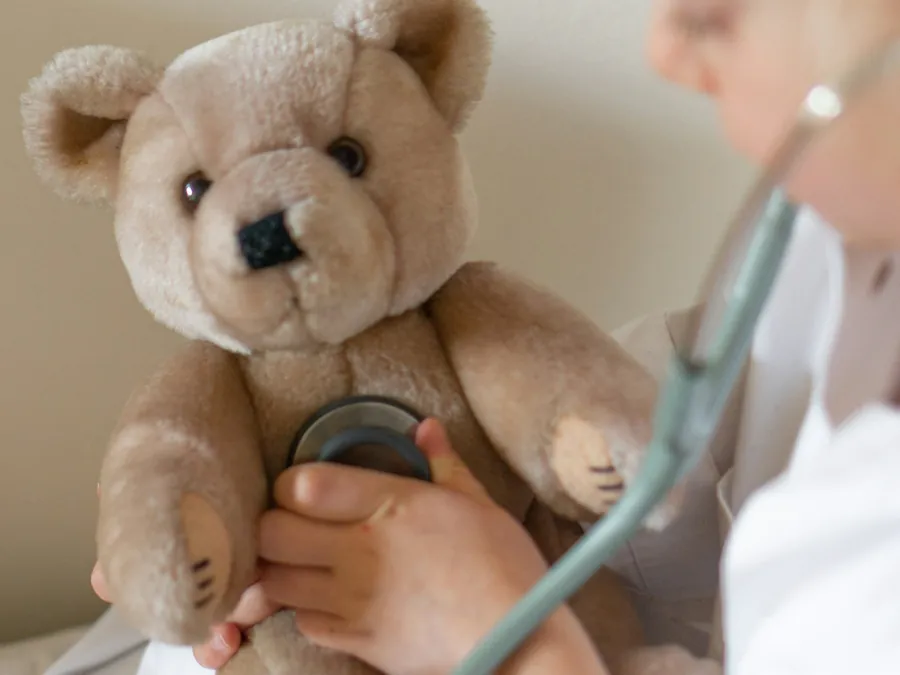
Growth, weight, nutrition, sleep, past illnesses and tests you already have. Decides what to check next.
130 / 100 / 85 €first / follow-up / check
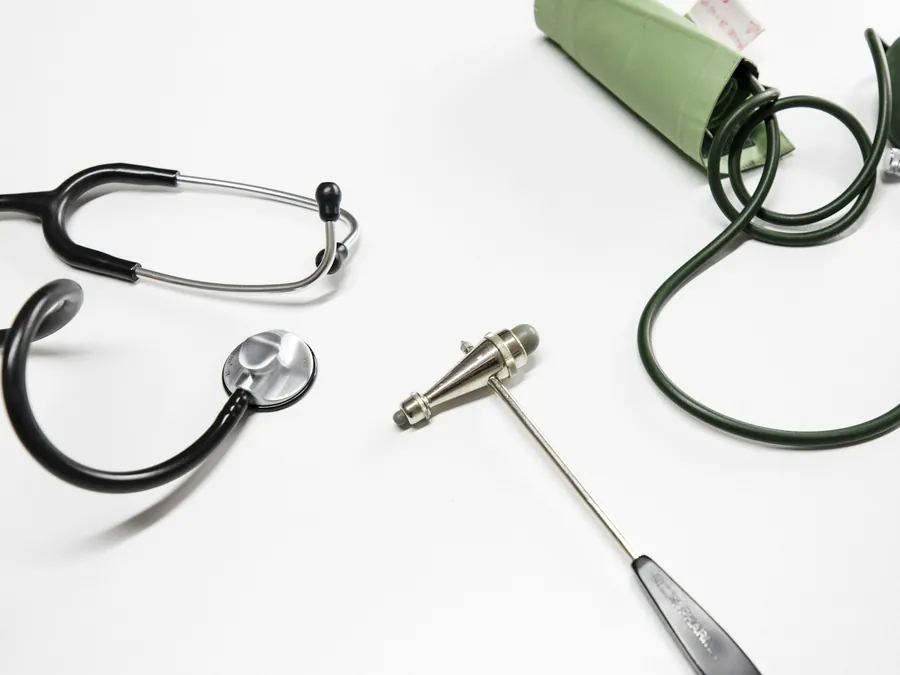
Tone, reflexes, coordination, gait, seizure-like episodes, sleep and developmental stages.
160 / 130 / 100 €first / follow-up / results

Seizures and staring spells, EEG data. Family history, growth features and the choice of a genetic test.
160 €50' visit
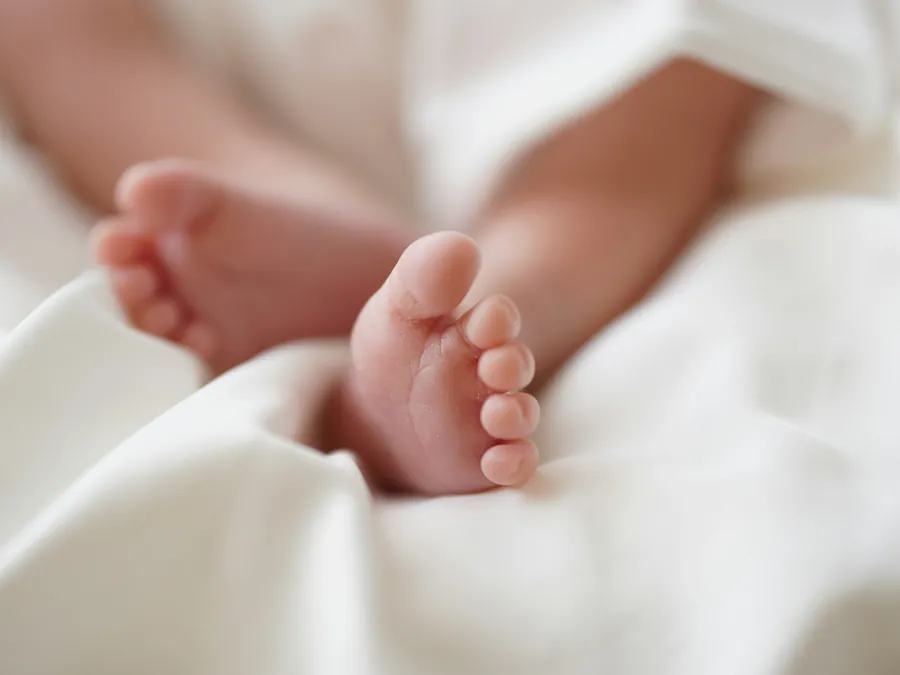
How your child holds the head, rolls, crawls, stands and walks. Quality of movement and support.
90 / 75 / 65 €first / follow-up

Sucking, swallowing, chewing, babbling, first words and understanding.
90 / 75 / 45 €first / follow-up

Diet, selective eating and risk of deficiencies. Works with the paediatrician and the test results.
100 / 85 €first / follow-up
In the conventional model, diagnostics means "run a list of tests and get a conclusion." At KidiMind, it's a different process: interviews, observation, testing, - when indicated - laboratory and instrumental assessments, and a mandatory team case conference.
The goal is not to "find a diagnosis," but to understand the mechanisms behind a specific child's difficulties. The same diagnosis in two different children may require completely different programs - because the underlying causes and strengths are different.
Not every child needs every test. The doctor selects them to fit the clinical hypotheses.
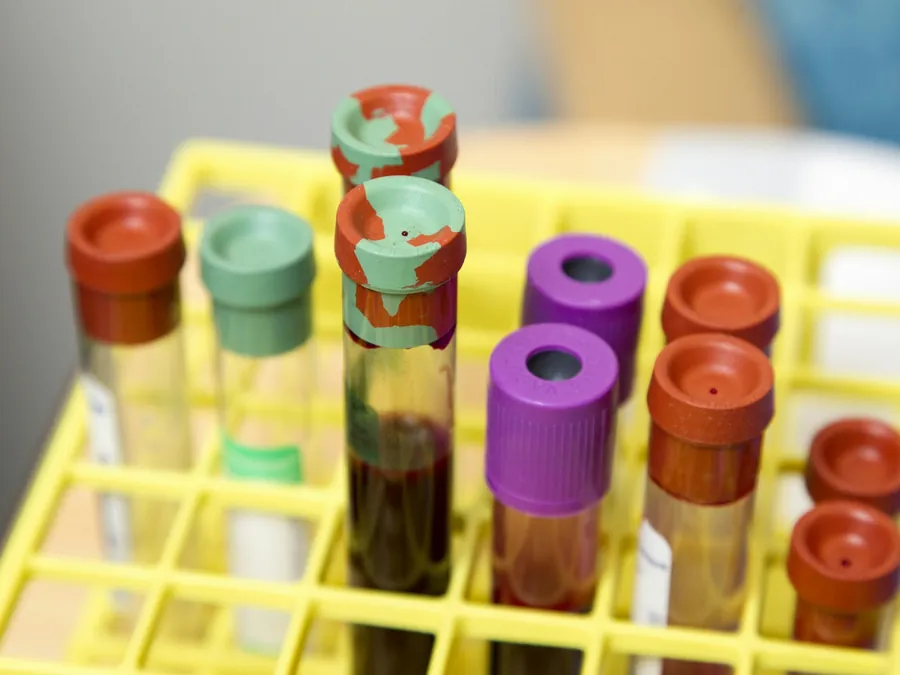
Blood count and biochemistry. Extended option: basic vitamins and minerals, thyroid.
100 / 450 €
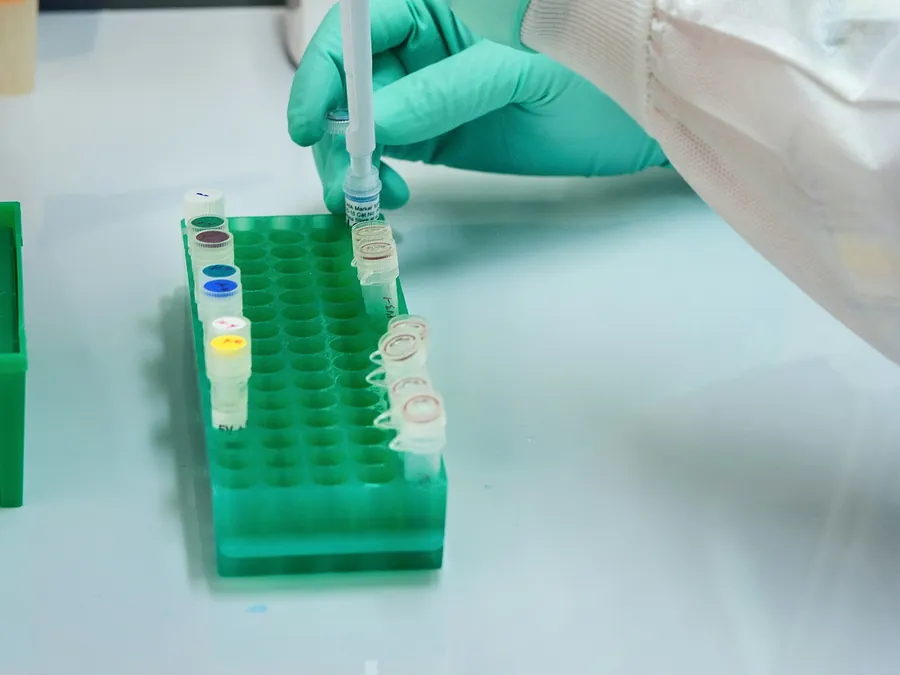
How the body uses protein and gets energy: blood and urine. There is an option without a vein puncture.
250 / 600 €

Fatty acid profile. Inflammatory and nutritional biomarkers.
100 / 180 €
Karyotype, microarray, exome of the child or trio exome with the parents.
100 / 750 / 1200 / 2000 €
Routine 30-minute EEG. On medical indication: sleep-deprived EEG or a 4-hour sleep recording.
100 / 150 / 500 €
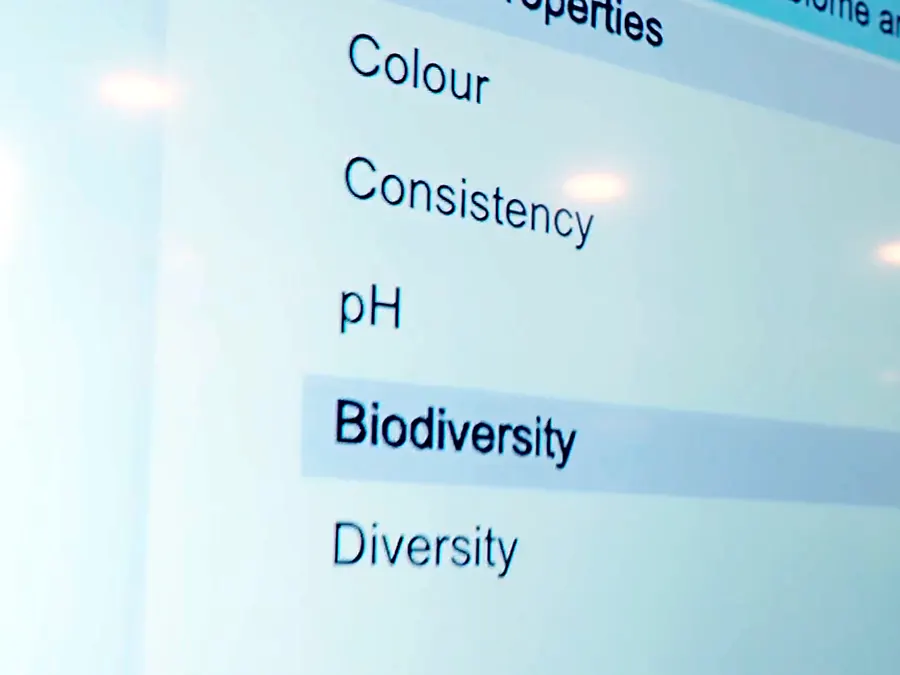
With bloating, constipation, diarrhoea or selective eating: basic or complete test.
250 / 450 €
A single sign does not mean illness. It is a reason to see a doctor rather than wait.
| What you noticed | Whom to see | What may be checked |
|---|---|---|
| Does not hold the head by 3 months, grasp by 5-6, sit alone by 9, walk by 16-18 months1 | Paediatrician, neurologist | Tone, reflexes, movement; tests and genetics if indicated |
| Clearly prefers one hand before 1 year2 | Neurologist | Symmetry of movement and tone |
| Had a skill and lost it: movement or words12 | Neurologist, without delay | Neurological examination; EEG, metabolism, genetics if indicated |
| Gait suddenly changed2 | Emergency care the same day | Injury, infection, joints: the emergency doctor decides |
| Had a seizure-like episode3 | During a seizure call 112. Then a paediatrician experienced in epilepsy within 2 weeks | Examination and EEG. A normal EEG does not rule out epilepsy |
| Sucks poorly, vomits often, eats few foods, sleeps badly1 | Paediatrician, speech therapist, nutritionist | Growth, swallowing, blood, deficiencies |
| Born preterm, looks pale, drinks a lot of cow's milk4 | Paediatrician | Haemoglobin and iron stores |
| Breastfed baby whose mother eats no animal products5 | Paediatrician | Vitamin B12 of the baby and the mother |
| Developmental delay without a clear cause, similar cases in the family7 | Geneticist, neurologist | Microarray, exome or genome |
| No babbling by 12 months, no words by 16 months1 | Paediatrician, speech therapist | Hearing, speech, neurological examination |
WHO windows: healthy children gain each skill within these limits. It is a range, not an exam.8
The American Academy of Pediatrics advises developmental screening at 9, 18 and 30 months and extra attention at 4-5 years.9
Tell our coordinator what you noticed. We will suggest which doctor to start with.
A personalized pathway for every child: from correcting challenges to maximizing potential.
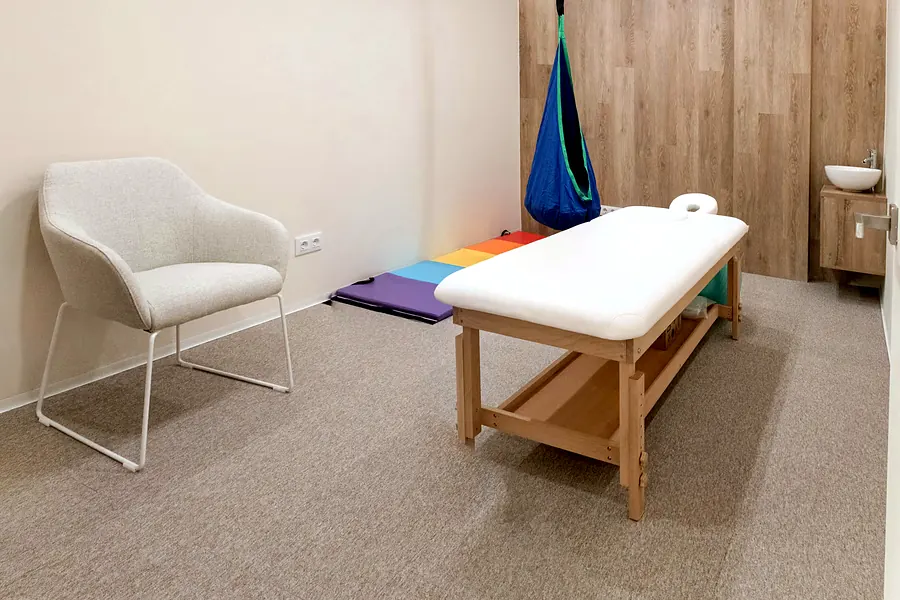
In-depth interview with parents, developmental history, medical and family background, school observations. We formulate initial clinical hypotheses.
Our team conducts the necessary modules: neurology, motor skills, sensory processing, speech, nutrition and sleep. When indicated: blood and urine tests, vitamin, mineral and amino acid deficiencies, metabolism, microbiome, genetics and EEG.
The entire team gathers to discuss results. Not "each specialist with their own conclusion," but a unified understanding of the child.
Parents receive a comprehensive report and an individualized therapy plan - with goals, modules, and effectiveness criteria.
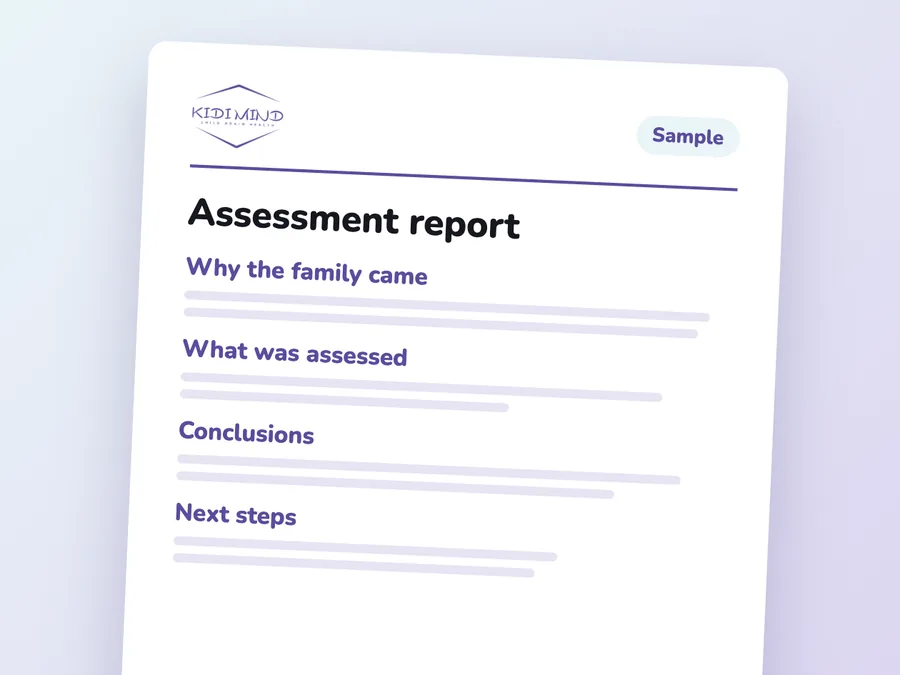
A structured document: your child's profile across all assessed domains, diagnoses or working hypotheses, differential analysis, and rationale for conclusions.
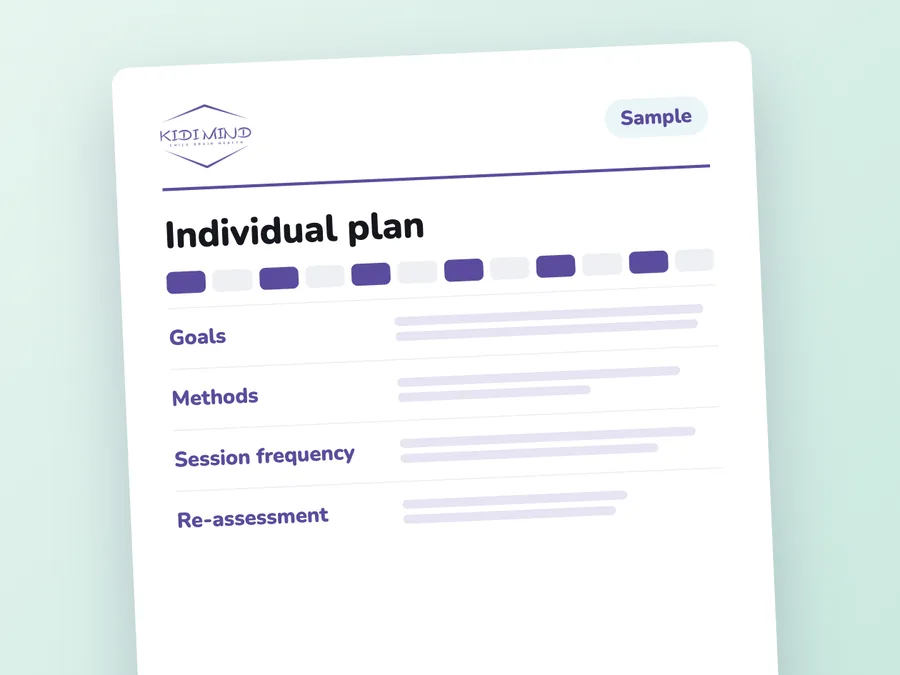
Specific goals, therapy modules, visit frequency, effectiveness criteria, and re-evaluation timelines.
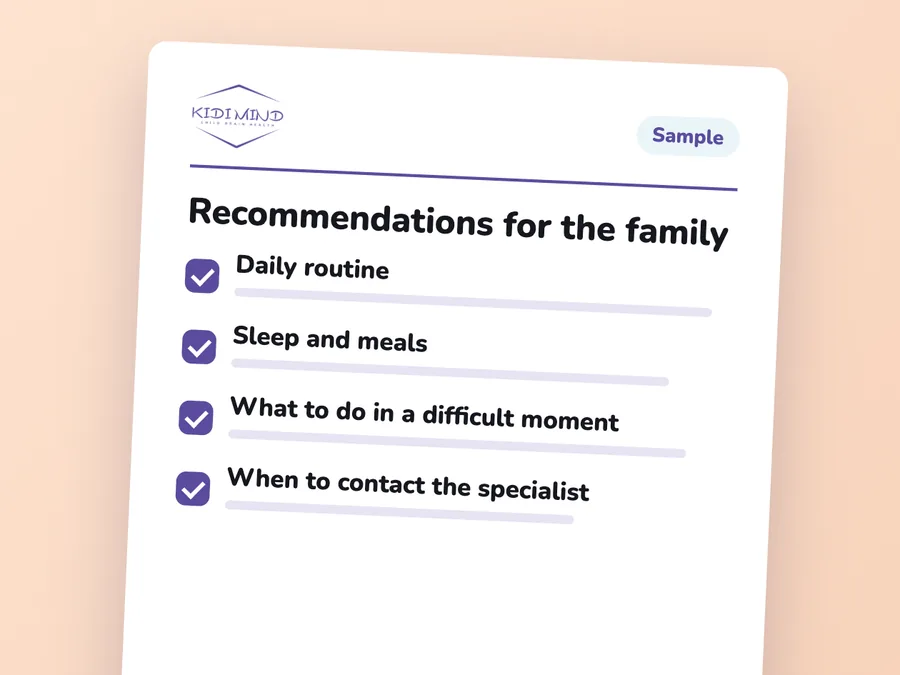
Home routines, nutrition, sleep, environment. What to do daily to support progress.
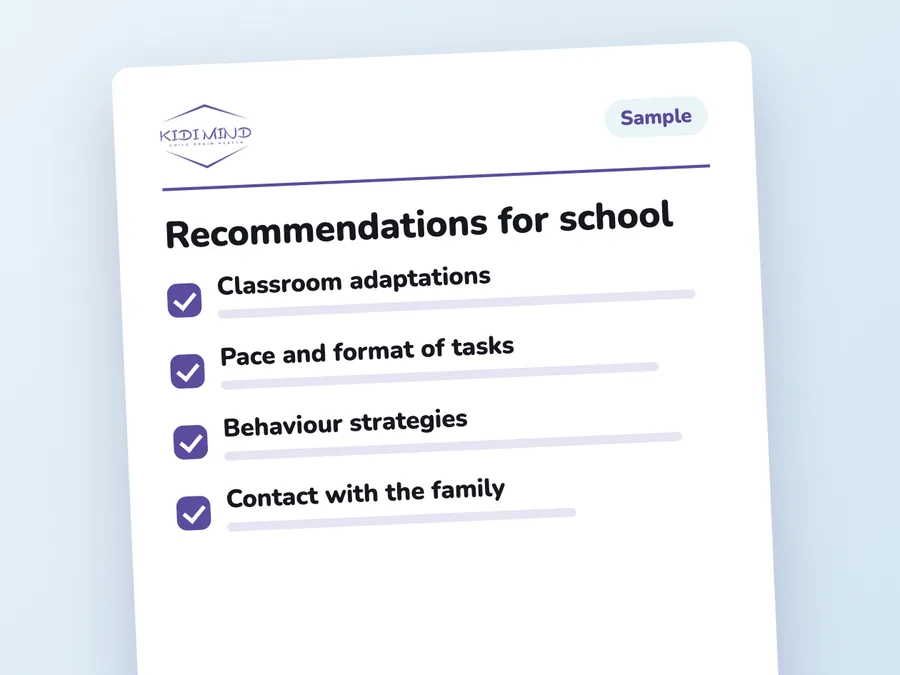
When needed - a separate document for educators: accommodations, pacing, material delivery format, behavioral strategies.
Neurologist, paediatrician, geneticist, physiotherapist, speech therapist and nutritionist work in one centre.
Results are discussed at a case conference. You receive one shared report.
The procedure room and the neurophysiology room are in the same centre.
Only tests that answer the doctor's clinical hypotheses.
Nutrition, sleep, movement and environment: what to do at home and in nursery.
We see families in Spanish, English, Catalan and Russian.
Comprehensive assessment, under 6
4 sessions + doctor
400 €
Paediatric neurologist (1st visit / follow-up / results)
50' / 40' / 30'
160 / 130 / 100 €
Paediatrics (1st visit / follow-up / medical check)
50' / 40' / 30'
130 / 100 / 85 €
Epileptologist and geneticist
50'
160 €
Complete blood count and full biochemistry
1 week
100 €
Complete blood count + extended biochemistry + basic vitamins and minerals + thyroid
1-2 weeks
450 €
Amino acids + organic acids
2-3 weeks
250 €
Extended profile: amino acids and organic acids in blood and urine
1-2 weeks
600 €
Metabolism Plus, nutri-metabolic test
4 weeks
850 €
Omega profile and fatty acid status
1 week
100 €
Inflammatory and nutritional biomarkers
2-3 weeks
180 €
Gut microbiome (basic / complete)
2-3 weeks
250 / 450 €
Karyotype
4 weeks
100 €
Chromosomal microarray
4 weeks
750 €
Exome (WES) / trio exome
6-8 weeks
1200 / 2000 €
EEG: routine / sleep-deprived / 4-hour sleep recording
100 / 150 / 500 €
Only what is justified by clinical hypotheses. No unnecessary tests just to increase the bill.
A diagnosis is a combination of data and observations across multiple settings. One test doesn't decide.
If diagnostics show that active therapy isn't needed - we'll say so honestly and provide recommendations only.
Doctors and therapists with international experience. Every child is supported by the entire team.
On this topic
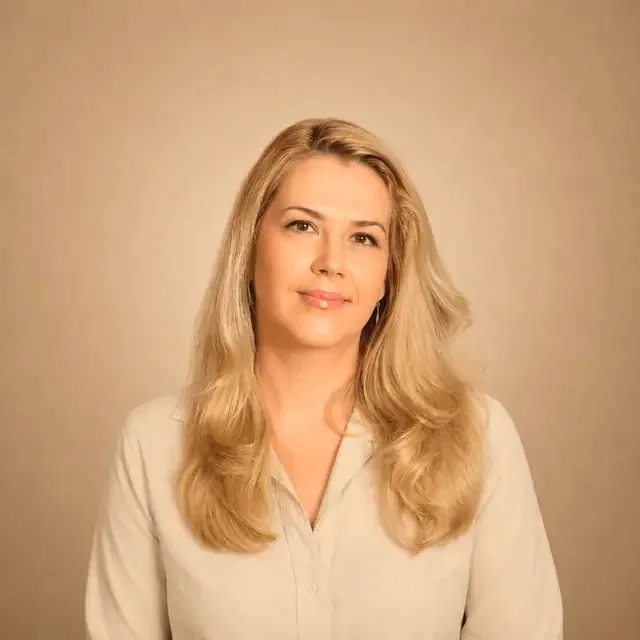
Medical Coordinator
Physician (MD), pediatric neurologist, epileptologist, specialist in rare genetic and metabolic disorders. PhD research fellow at Sant Joan de Déu Hospital, Barcelona, Spain.
Professional registration number: 51436
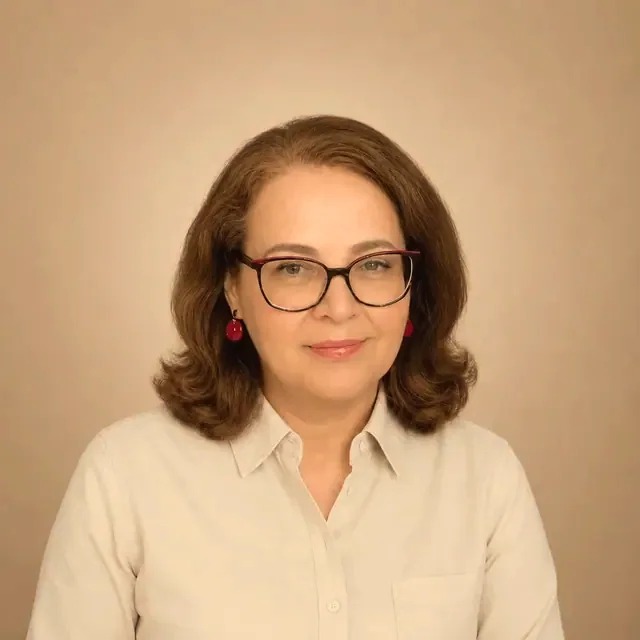
Pediatric Physician
Pediatrician with more than 35 years of experience in neonatology and intensive care. Focus areas: pediatric neurology, neonatology, and ultrasound diagnostics.
Professional registration number: 61652
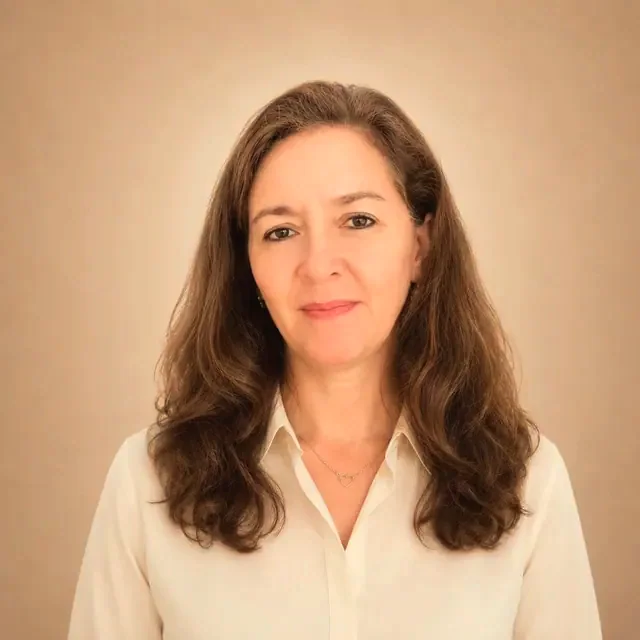
Physiotherapist
Over 20 years of experience in pediatric rehabilitation and special education. Specializes in enhancing mobility, fostering independence, and promoting inclusion for children with special needs.
Professional registration number: 18405
The rest of the team
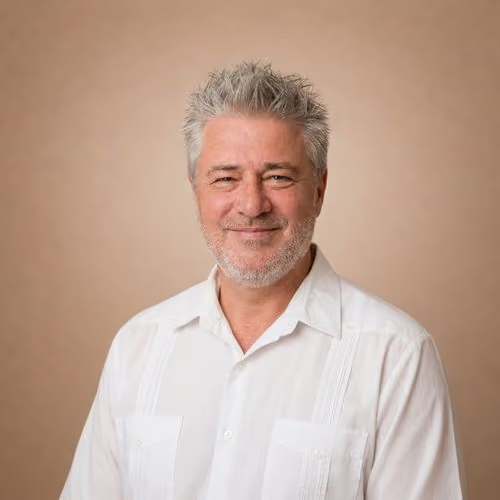
Advisor
Psychologist and Therapist for Adults, Couples, and Families Master's Degree in General Health Psychology, Master's Degree in Clinical and Health Psychology, and Postgraduate Training in Clinical Psychopathology. Specialist in Emergency Psychology and family interventions in high-complexity cases.
Professional Registration Number (COPCA): 17130
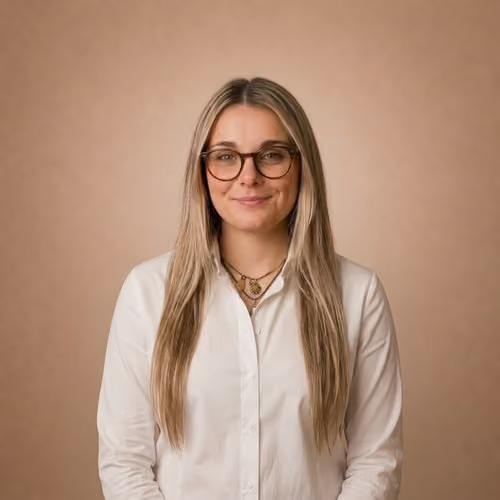
Sensory Integration Specialist / Occupational Therapist
My work consists of helping children develop the skills they need to participate in their daily lives with greater autonomy and wellbeing: playing, learning, building relationships, getting dressed, eating, resting, and enjoying their routines.
Professional registration number: 46201265
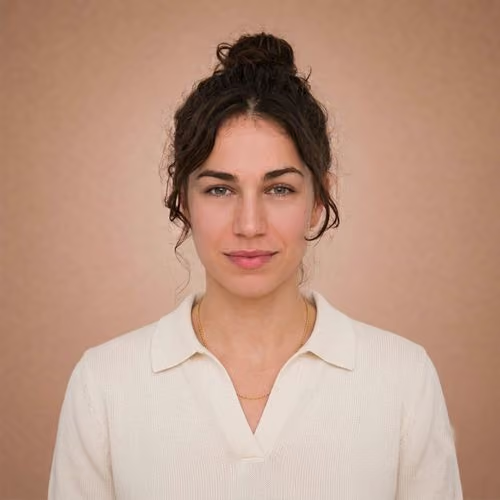
Neuropsychologist
With a warm, empathetic, and evidence-based approach, I support children, adolescents, and families through assessment and intervention processes, identifying both their needs and their strengths. My goal is to make daily life more manageable for neurodivergent individuals and their surroundings, promoting their wellbeing and quality of life.
Professional registration number: 30488
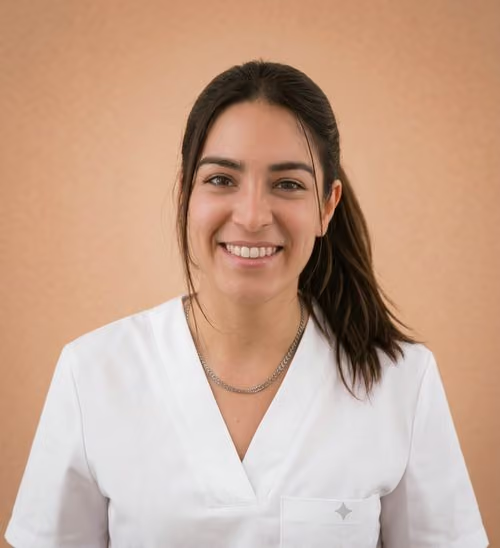
Pediatric Physiotherapist
Passionate about child neurodevelopment and supporting every child through their growth journey. I work with warmth, play, and movement, respecting each child's pace and needs, as well as those of their family.
Professional registration number: 18040
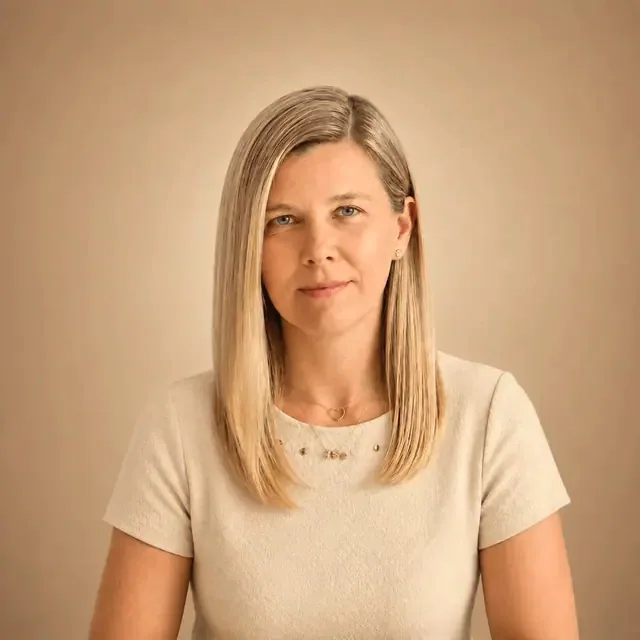
Clinical Coordinator
Clinical psychologist, specialist in pediatric intervention with experience working with children with ADHD, ASD, and learning difficulties. Focus areas: neurodevelopment, emotional regulation, and family support.
Professional Registration Number 36681
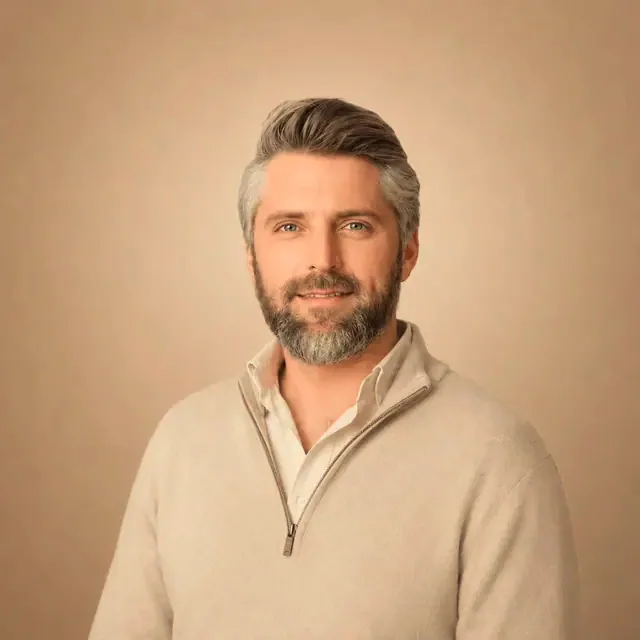
Chief Executive Officer (CEO)
International expert on the development of cognitive and behavioral skills of the human brain.
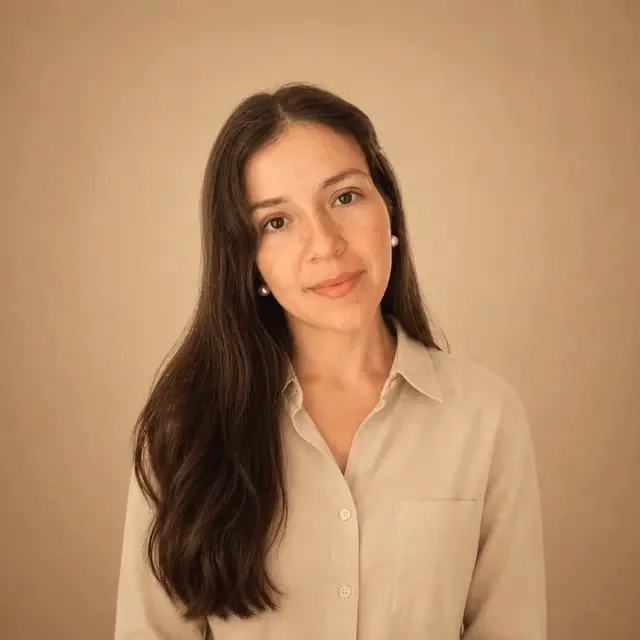
Dietitian
Expert in selective eating. Experience designing diets based on metabolism and microbiome analysis / experience working with individuals with autism and food selectivity.
Professional registration number: CAT002684
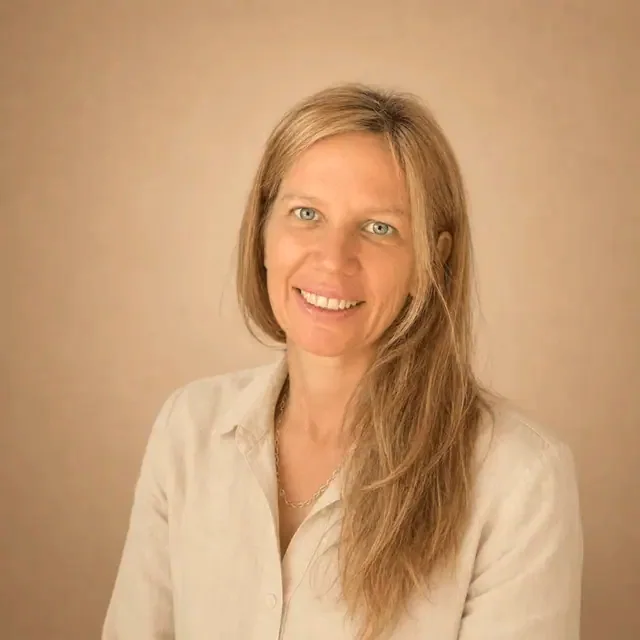
Pediatrician specialising in child mental health
Pediatrician and neonatologist, trained in child and adolescent neuropsychiatry, specializing in neurodevelopmental disorders (autism spectrum disorders, ADHD, anxiety disorders, and emotional regulation difficulties in teenagers).
Professional registration number: 63497
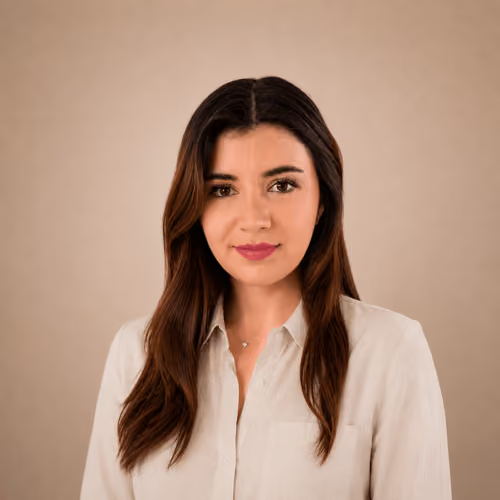
Neurofeedback and Brain Mapping Technician
Expert in neuropsychological diagnostics, cognitive rehabilitation, and neuromodulation with over 10 years of experience. Board-certified neurofeedback practitioner (BCN, BCIA). EMDR therapist. Master's student in Neurosciences.
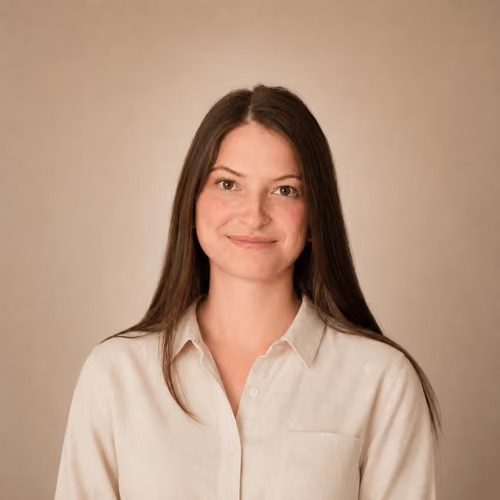
Pediatric Massage Therapist
Specialist in motor development for children from birth to 12 years. Over 11 years of clinical experience. Focus areas: motor developmental delays, movement disorders, and integration of primitive reflexes.
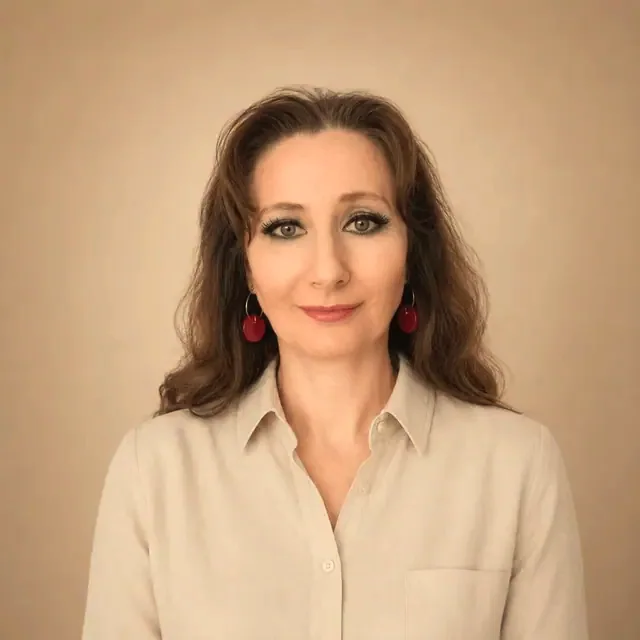
Child and Adolescent Psychologist
Clinical psychologist with over 24 years of practice, member of the Official College of Psychologists of Catalonia. Focus areas: psychotherapy for children and adolescents, anxiety disorders, trauma, ADHD, adjustment disorders, and family work. Integrative approach: CBT, ACT, trauma therapy, systemic family therapy.
Professional registration number: 29589
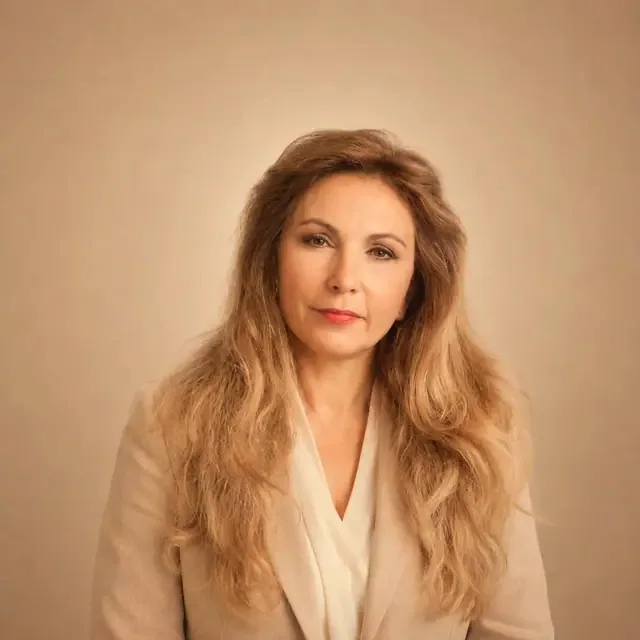
Psychiatrist
A psychotherapist with experience in the leading addiction treatment center in Europe. Specializes in the treatment of patients suffering from substance and behavioral addictions
Professional registration number: 49839
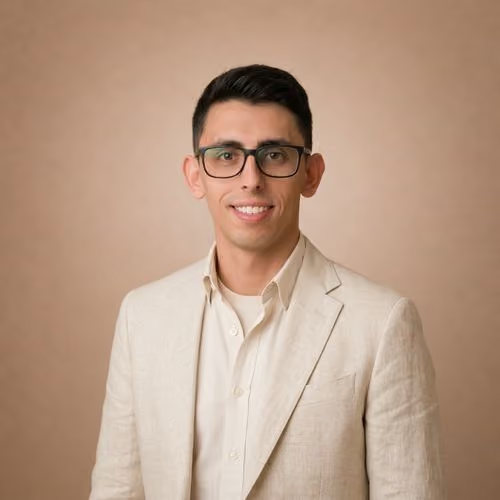
Licensed psychologist with a Master's degree in Forensic Psychology
Specializing in expert witness reports in civil, criminal, and family law contexts. He has over ten years of experience in clinical and socio-community psychology, primarily working with children and families in vulnerable situations. His approach integrates a systemic and psychodynamic perspective with cognitive-behavioral techniques. He works with children, adolescents, and adults, providing family support and individual psychotherapy.
Professional registration number: 32258
Pediatric neurologist
Languages: Spanish, English. Patients: 0–18 years.
Professional registration number: 66979

Speech therapist
Languages: Spanish, English. Patients: 3–18 years.
Professional registration number: 5343

Neuropsychologist
Professional registration number: 29591
No. The doctor selects the tests at the first visit to fit the clinical hypotheses.
The Metabolism Plus test needs no blood from a vein. For the other tests the doctor explains how the sample is taken.
No. EEG helps the doctor, but a normal routine recording does not rule out epilepsy. The whole picture is considered.
There are separate pathways: see what families come with. If both are needed, the team joins them in one plan.

Book an initial consultation. In one visit, we'll take a full history, outline hypotheses, and explain which pathway is right for your child.
Google reviews
Real reviews from our Google profile, unedited and in the language they were written in.
This place actually felt warm and somewhat cozy, way different from the previous clinics I've been. The staff is nice too
We had a great experience working with Elena! She's a true professional who genuinely takes the time to understand your problem instead of just going through the motions. Only positive impressions, highly recommend!
Un centro nuevo de rehabilitacion y salud mental infantil, diria que segun concepto que tiene es único en España. no he visto en ningún lugar que hay especialistas de todo tipo y de alto nivel profesional y humano en un centro. Muy recomendable