At home and getting dressed
- strong dislike of certain clothes, labels, seams or textures
- difficulty playing with sand, paint, playdough or other materials

Assessment and therapy when the way your child processes sensory information makes everyday life harder.
Sensory integration within paediatric occupational therapy, based on Ayres' principles.
Sensory integration is an approach to assessment and therapy that forms part of occupational therapy when sensory processing difficulties are found to affect a child's participation.
We follow the principles of Ayres Sensory Integration (ASI), with an individual approach centred on the child and their family. Play and meaningful activities are the main therapeutic tools.
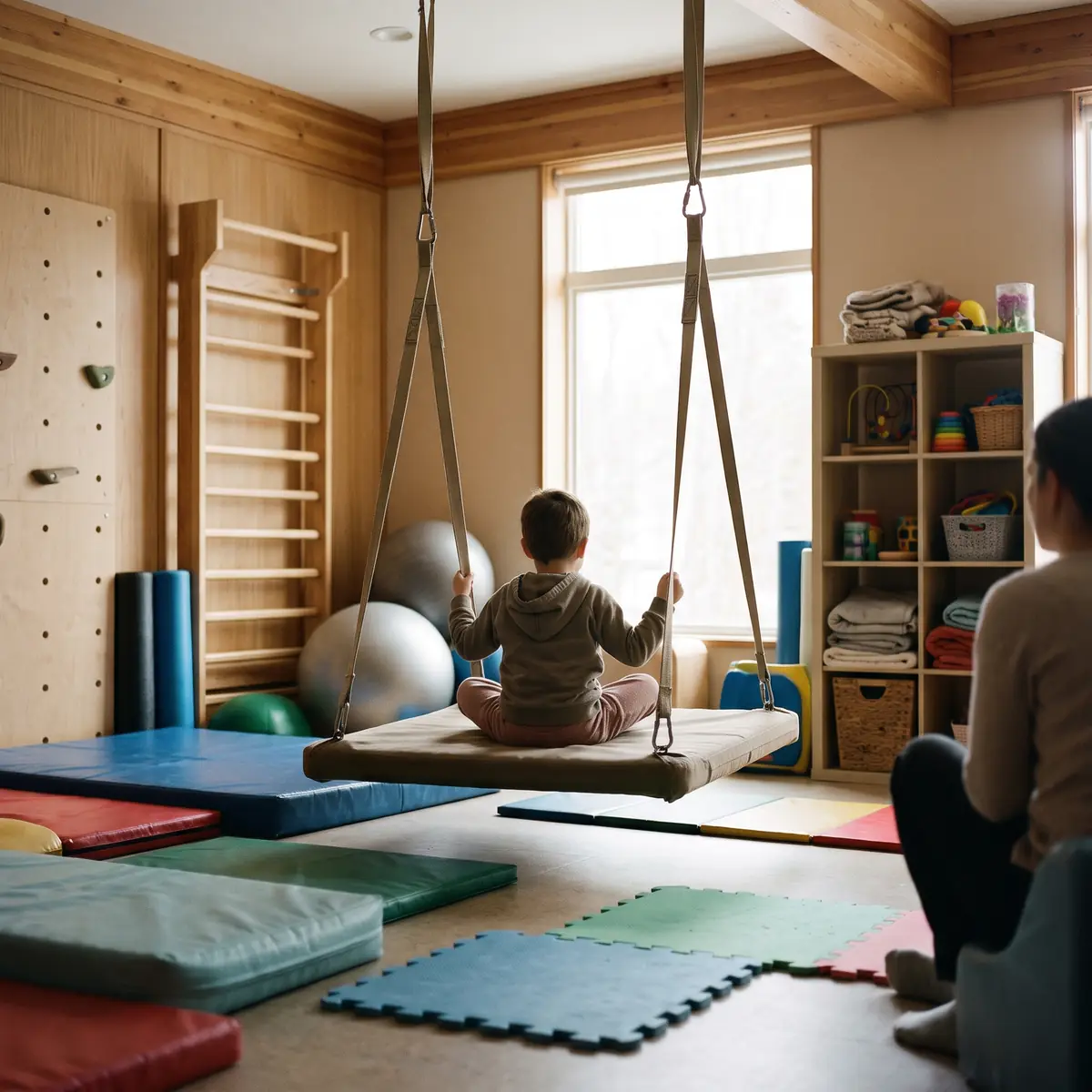
On their own, these situations don't necessarily mean a sensory processing difficulty. We look at how often they happen, how intense they are and how they affect daily life.
Paediatric occupational therapist specialising in sensory integration
Professional registration number: 46201265
First visit: 50 minutes. Follow-up sessions: 40 minutes. In person; follow-up with the family can be online.
It lasts 50 minutes and takes place in person. Your child should come with a family member who knows their routines, or with their legal guardian. If you have previous reports, please bring them.
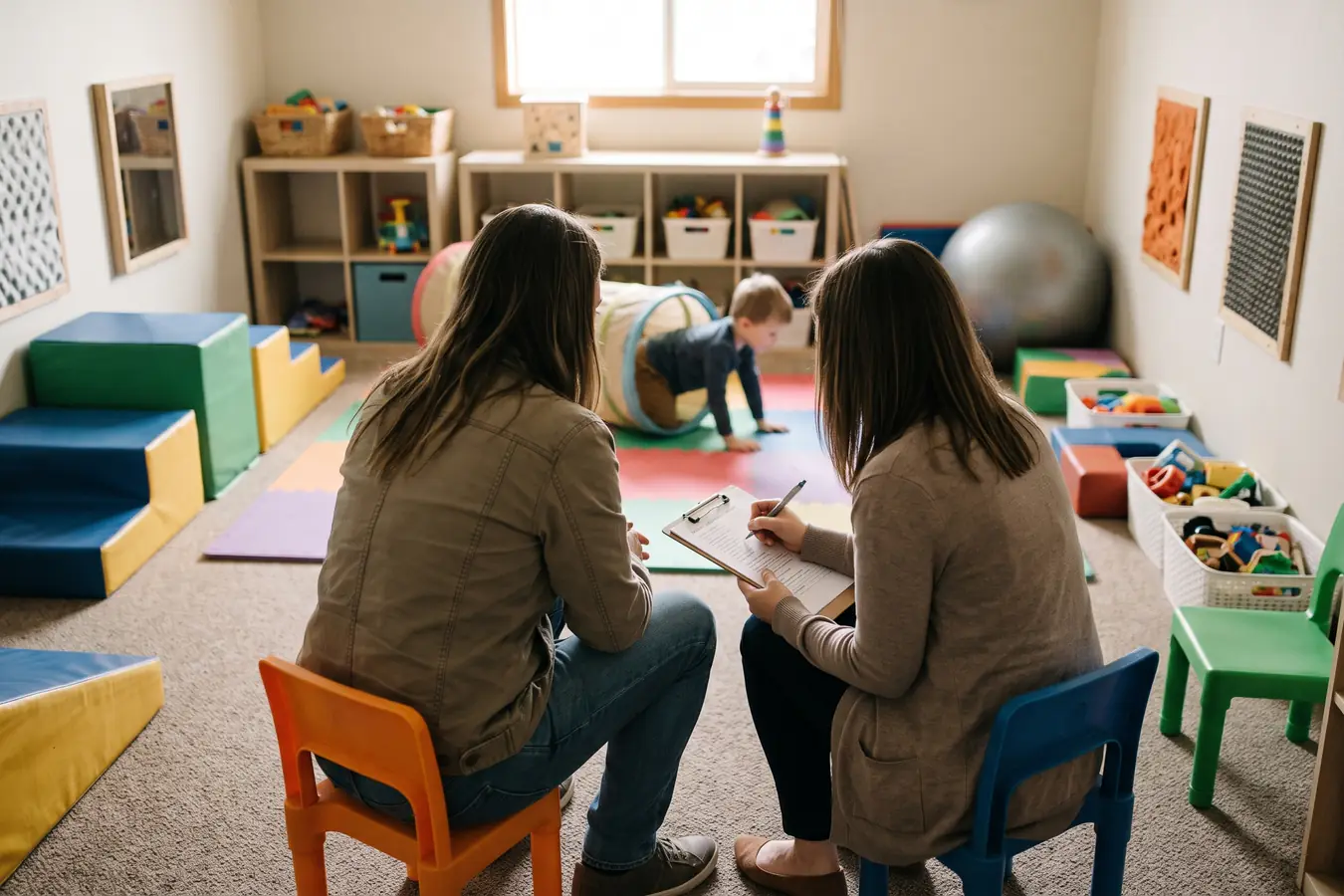
We learn about your child's development, routines, sensory preferences and the situations that cause difficulties at home, at school or elsewhere.
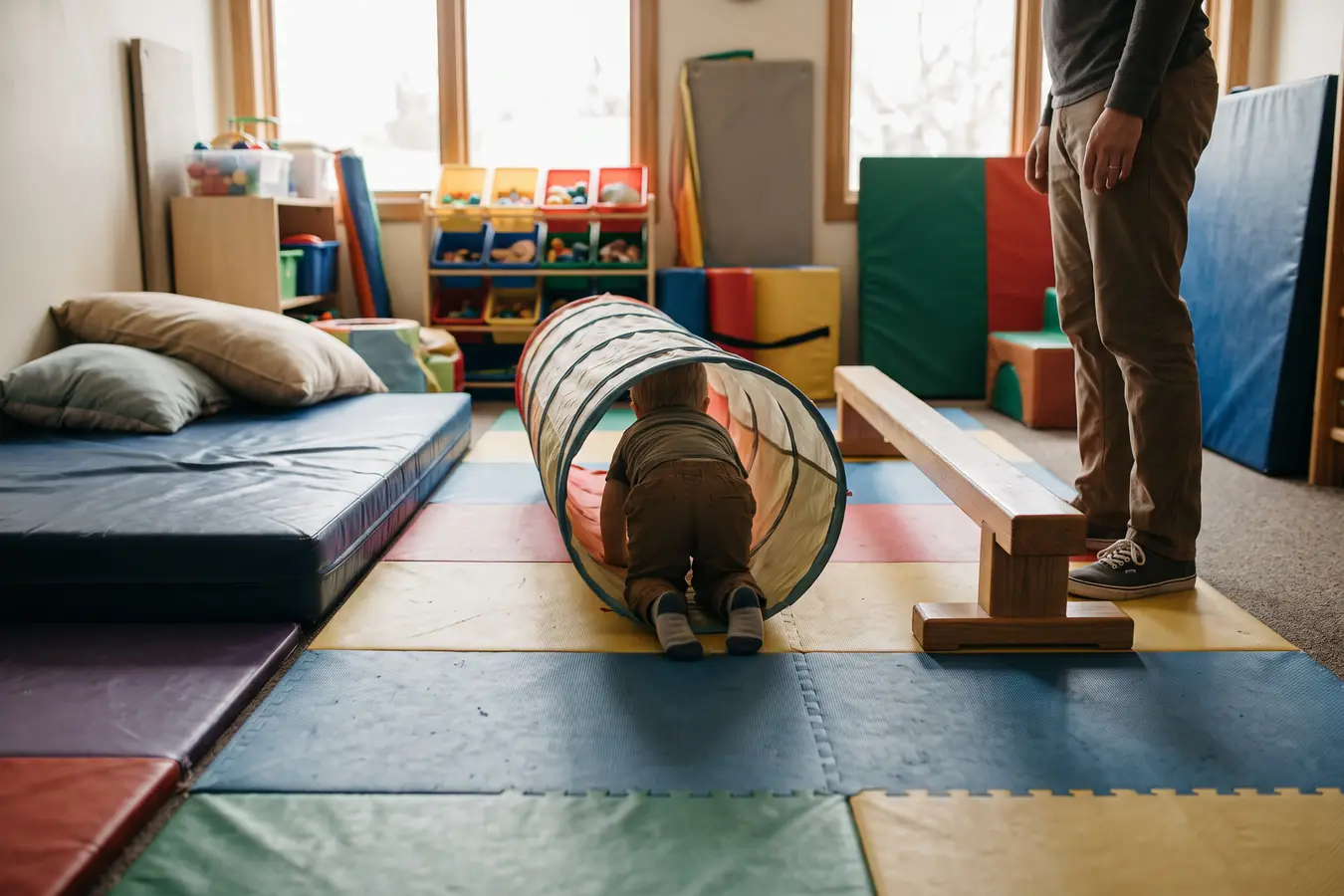
We observe how your child responds to movement, touch, balance and coordination: what they seek, what they avoid and what strategies they use to regulate themselves.
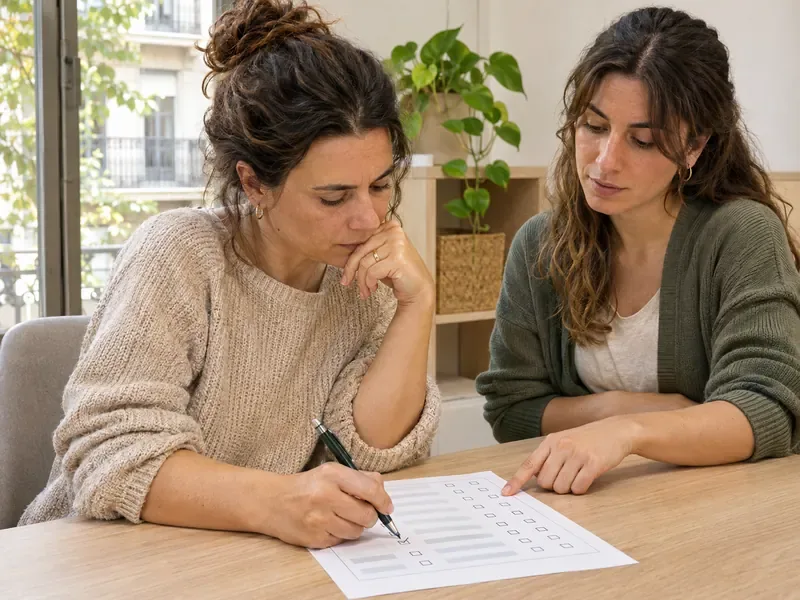
Families can complete specific questionnaires describing how their child responds to sensory experiences in everyday life. This information is interpreted together with the interview and the observation.

If there is loss of skills already gained, persistent pain, significant feeding or swallowing difficulties, movement problems, or hearing or vision problems that haven't been assessed.
If continuing is recommended, a session may include a small circuit with mats and a tunnel to practise movements your child uses when playing in the park. Maya adapts the circuit to their pace. If an activity feels uncomfortable, they can choose another one or ask for a break.
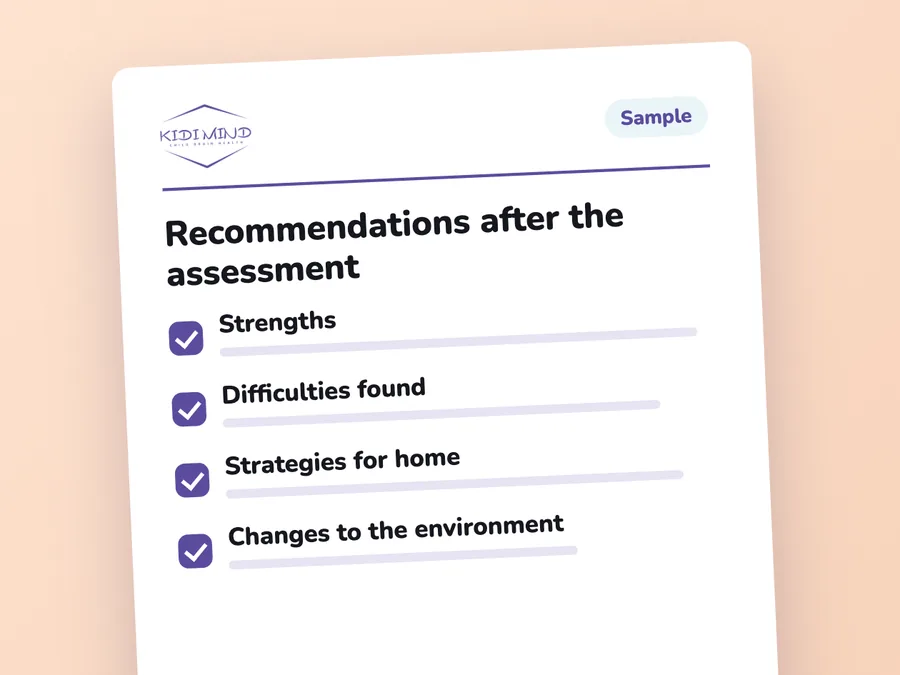
After the first visit:
Recommendations are not the same for every child: they are chosen according to your child's characteristics and your family's needs.
A 50-minute first visit in person, with your child and a family member who knows their routines.
Carrer de Viladomat, 135, 1-1, Eixample, 08015 Barcelona
Monday to Friday, 10:00 to 18:00
Doctors and therapists with international experience. Every child is supported by the entire team.
On this topic
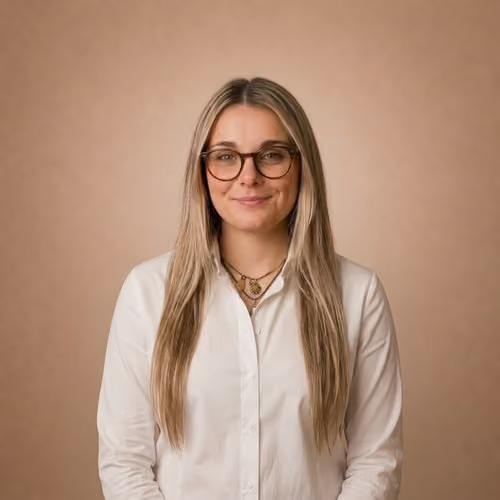
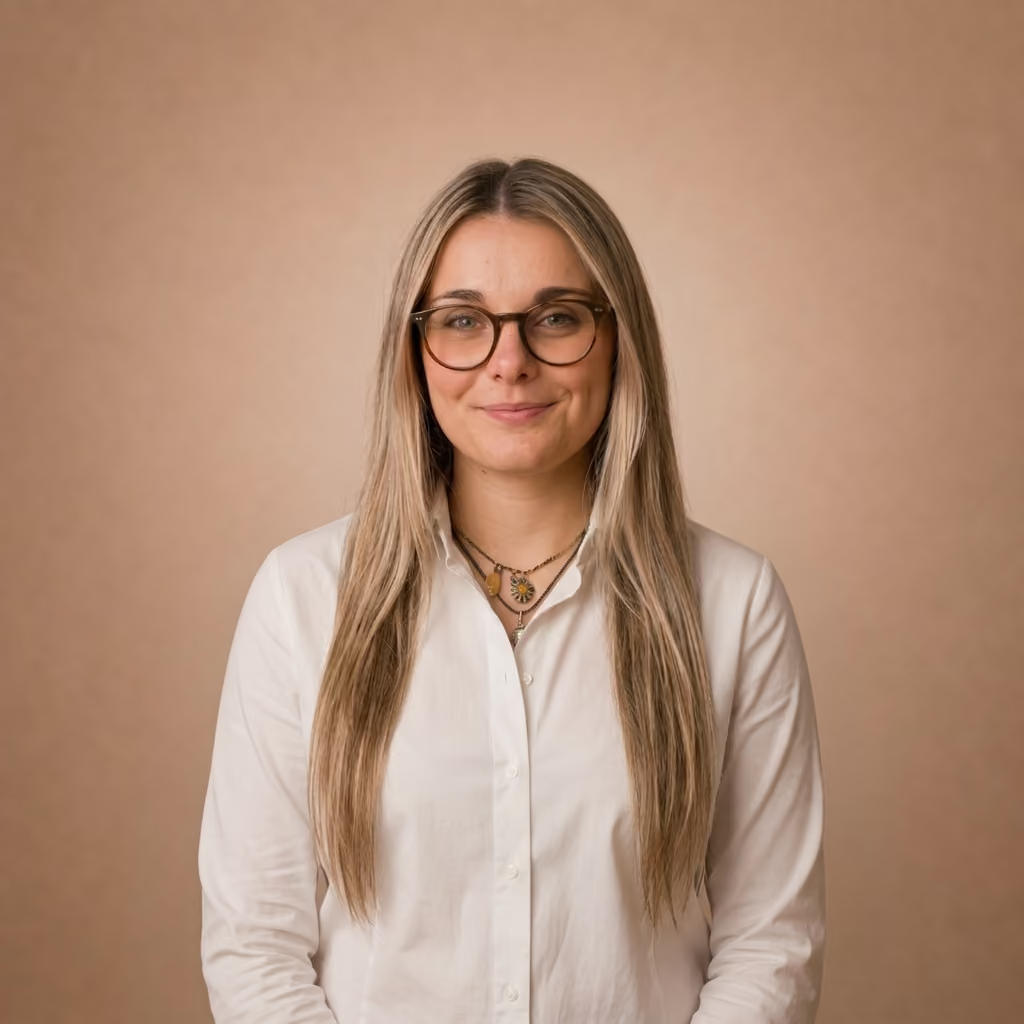
Sensory Integration Specialist / Occupational Therapist
My work consists of helping children develop the skills they need to participate in their daily lives with greater autonomy and wellbeing: playing, learning, building relationships, getting dressed, eating, resting, and enjoying their routines.
Professional registration number: 46201265
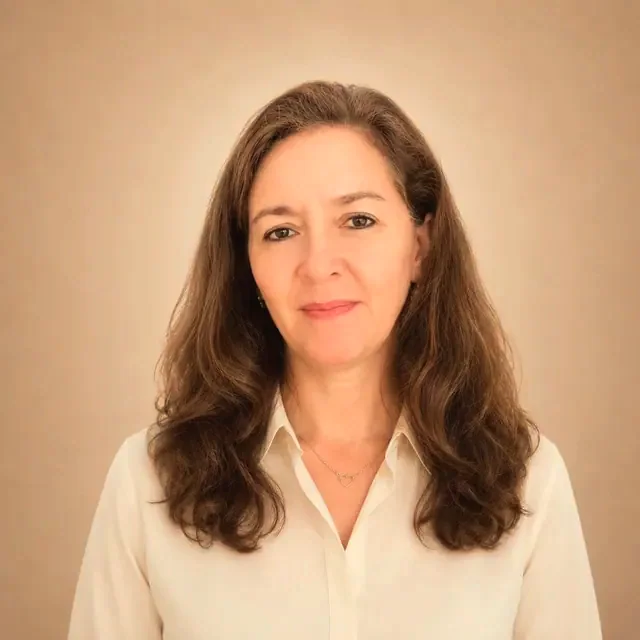
Physiotherapist
Over 20 years of experience in pediatric rehabilitation and special education. Specializes in enhancing mobility, fostering independence, and promoting inclusion for children with special needs.
Professional registration number: 18405
The rest of the team
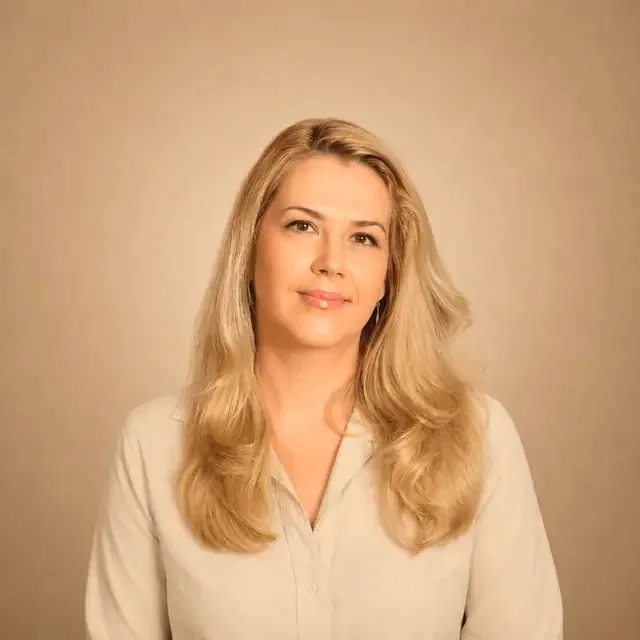
Medical Coordinator
Physician (MD), pediatric neurologist, epileptologist, specialist in rare genetic and metabolic disorders. PhD research fellow at Sant Joan de Déu Hospital, Barcelona, Spain.
Professional registration number: 51436

Advisor
Psychologist and Therapist for Adults, Couples, and Families Master's Degree in General Health Psychology, Master's Degree in Clinical and Health Psychology, and Postgraduate Training in Clinical Psychopathology. Specialist in Emergency Psychology and family interventions in high-complexity cases.
Professional Registration Number (COPCA): 17130

Neuropsychologist
With a warm, empathetic, and evidence-based approach, I support children, adolescents, and families through assessment and intervention processes, identifying both their needs and their strengths. My goal is to make daily life more manageable for neurodivergent individuals and their surroundings, promoting their wellbeing and quality of life.
Professional registration number: 30488

Pediatric Physiotherapist
Passionate about child neurodevelopment and supporting every child through their growth journey. I work with warmth, play, and movement, respecting each child's pace and needs, as well as those of their family.
Professional registration number: 18040
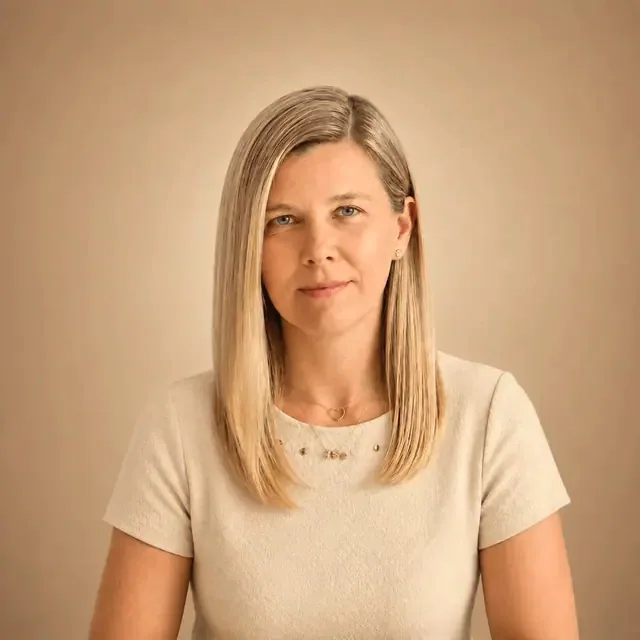
Clinical Coordinator
Clinical psychologist, specialist in pediatric intervention with experience working with children with ADHD, ASD, and learning difficulties. Focus areas: neurodevelopment, emotional regulation, and family support.
Professional Registration Number 36681

Chief Executive Officer (CEO)
International expert on the development of cognitive and behavioral skills of the human brain.

Dietitian
Expert in selective eating. Experience designing diets based on metabolism and microbiome analysis / experience working with individuals with autism and food selectivity.
Professional registration number: CAT002684
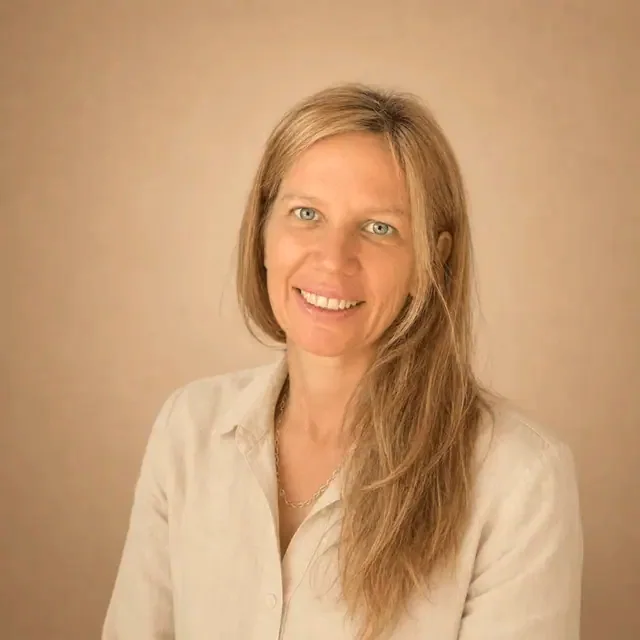
Pediatrician specialising in child mental health
Pediatrician and neonatologist, trained in child and adolescent neuropsychiatry, specializing in neurodevelopmental disorders (autism spectrum disorders, ADHD, anxiety disorders, and emotional regulation difficulties in teenagers).
Professional registration number: 63497

Neurofeedback and Brain Mapping Technician
Expert in neuropsychological diagnostics, cognitive rehabilitation, and neuromodulation with over 10 years of experience. Board-certified neurofeedback practitioner (BCN, BCIA). EMDR therapist. Master's student in Neurosciences.

Pediatric Massage Therapist
Specialist in motor development for children from birth to 12 years. Over 11 years of clinical experience. Focus areas: motor developmental delays, movement disorders, and integration of primitive reflexes.
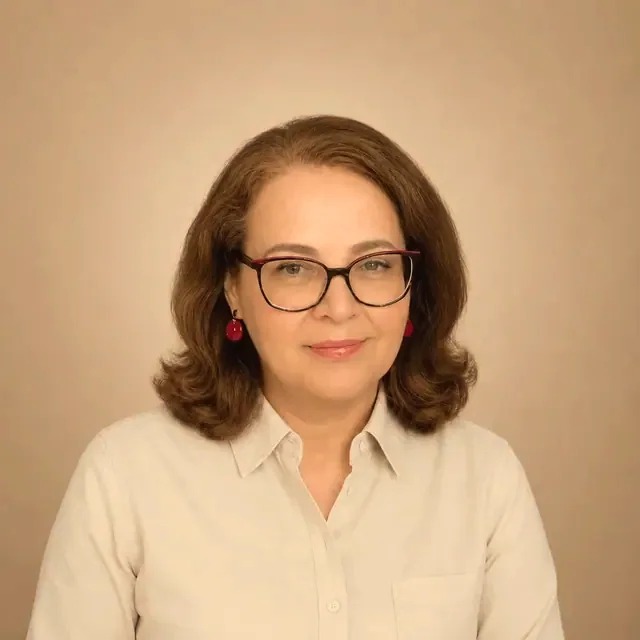
Pediatric Physician
Pediatrician with more than 35 years of experience in neonatology and intensive care. Focus areas: pediatric neurology, neonatology, and ultrasound diagnostics.
Professional registration number: 61652
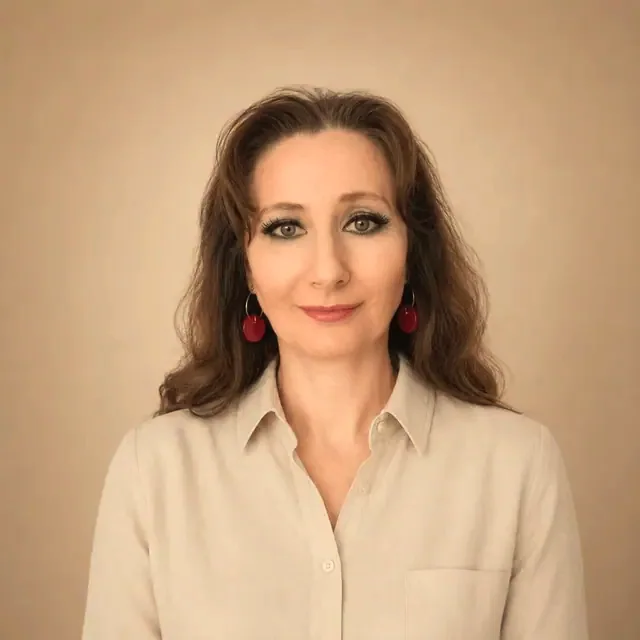
Child and Adolescent Psychologist
Clinical psychologist with over 24 years of practice, member of the Official College of Psychologists of Catalonia. Focus areas: psychotherapy for children and adolescents, anxiety disorders, trauma, ADHD, adjustment disorders, and family work. Integrative approach: CBT, ACT, trauma therapy, systemic family therapy.
Professional registration number: 29589
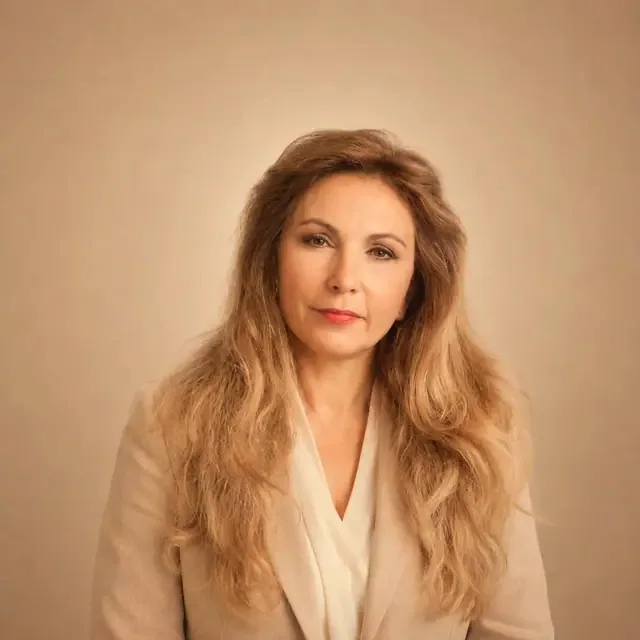
Psychiatrist
A psychotherapist with experience in the leading addiction treatment center in Europe. Specializes in the treatment of patients suffering from substance and behavioral addictions
Professional registration number: 49839

Licensed psychologist with a Master's degree in Forensic Psychology
Specializing in expert witness reports in civil, criminal, and family law contexts. He has over ten years of experience in clinical and socio-community psychology, primarily working with children and families in vulnerable situations. His approach integrates a systemic and psychodynamic perspective with cognitive-behavioral techniques. He works with children, adolescents, and adults, providing family support and individual psychotherapy.
Professional registration number: 32258

Pediatric neurologist
Languages: Spanish, English. Patients: 0–18 years.
Professional registration number: 66979

Speech therapist
Languages: Spanish, English. Patients: 3–18 years.
Professional registration number: 5343

Neuropsychologist
Professional registration number: 29591
Answers to a few common questions before the first visit.
A single reaction isn't enough. We look at frequency, intensity and the impact on daily life. Not all behaviour or regulation difficulties have a sensory origin.
No. Sensory integration isn't simply doing activities with swings, textures or sensory materials. It always starts from an individual assessment and goals linked to everyday life and family routines.
Yes. We work according to the principles of Ayres Sensory Integration (ASI). Maya Gorriz Ponce holds a Master's in Sensory Integration from the University of Southern California (USC).
No. We always respect your child's signals of comfort or discomfort. The aim is to offer well-adjusted experiences that support participation and wellbeing.
Maya assesses how the texture, temperature, smell or look of food affects your child's eating routine. If the diet is very restricted, or there are nutritional difficulties, growth problems, pain or choking, we recommend involving nutrition, speech therapy or other specialties.
Message us: our coordination team will advise you on which assessment or therapy best suits your child. If you have a paediatric assessment with us, our doctors will also tell you which service to choose.
We recommend coming with a referral from one of KidiMind's paediatricians. If an external paediatrician refers you, bring their reports so our doctors can review them. For the first visit, the child's name, date of birth and diagnosis (if any) are enough.
We can't set a number of sessions or guarantee specific results: every child has different needs and pace. Follow-up sessions last 40 minutes and goals are reviewed along the way. To review the goals, we look together with you at what has changed at home or at school.
The price depends on the session and on the available session packs, which lower the price of follow-up sessions. See current rates on the prices page or message us. See prices
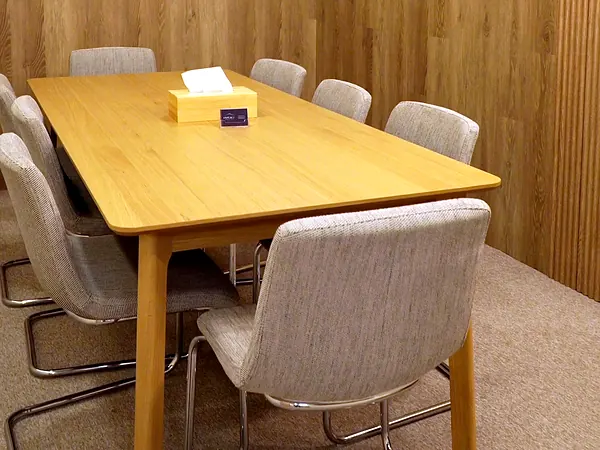
A neurologist, psychologist, speech therapist, rehabilitation specialist, nutritionist, and geneticist hold a case conference for every child. The care plan is developed collaboratively.
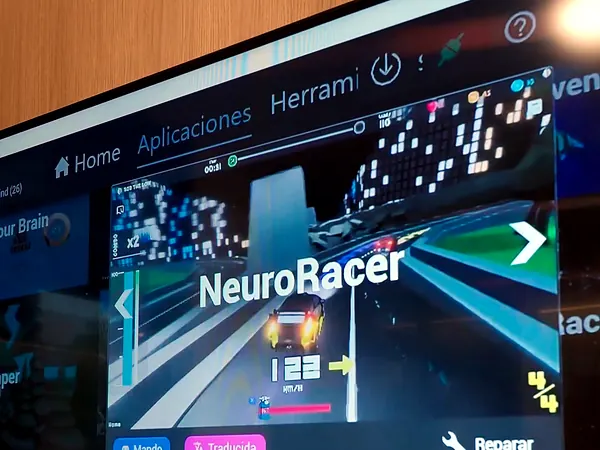
Every method and technology has been tested and is used in real clinical practice. No pseudoscience.
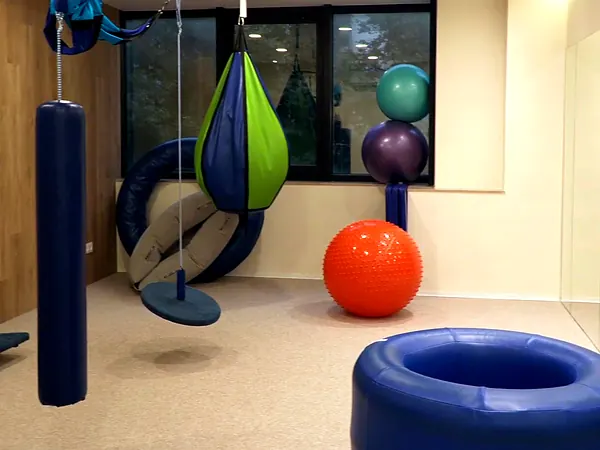
We combine genetics, metabolism, QEEG, neurofeedback, VR, and classical therapy into one plan for one child.
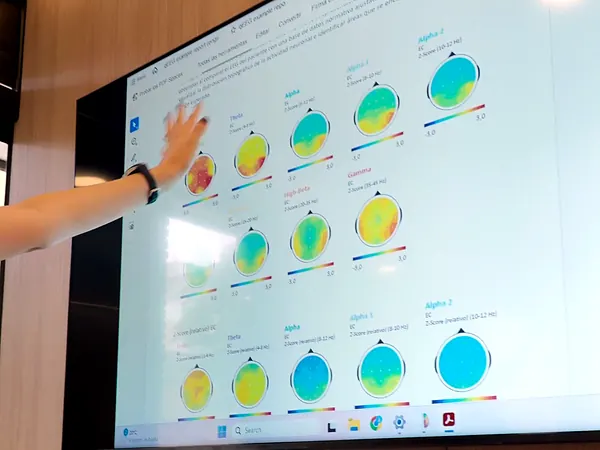
Your child's progress is tracked using specific scales and metrics. Every 8–12 weeks - goals are re-evaluated. You see what's improving and what needs plan adjustment.