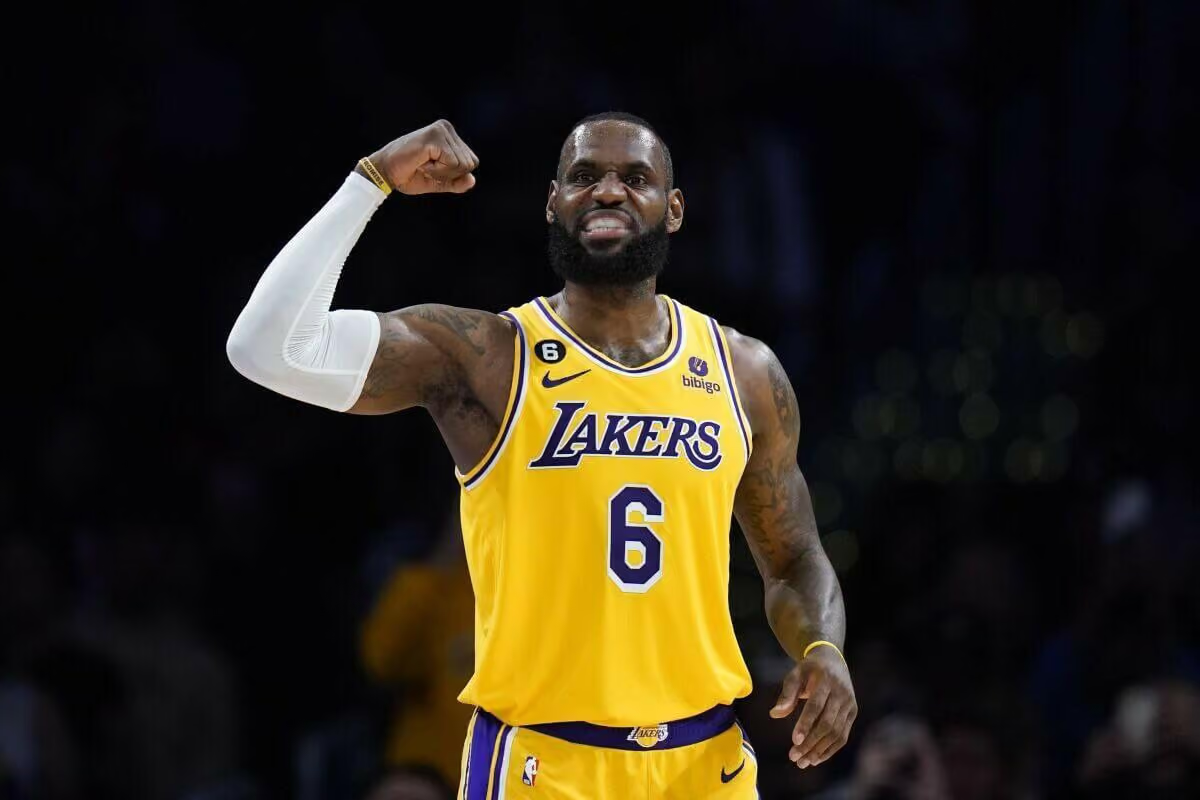
“Mental toughness is what separates good players from great ones.”
LeBron James, basketball legend, four-time NBA champion

Young athletes spend years learning technique, fitness and tactics.
KidiMind Sport is an objective assessment of the brain, the mind and what fuels them. Plus mental fitness training - with no pressure and no records at any cost.
For children and teenagers aged 8–17
The brain and the mind only get attention once a breakdown, burnout or injury has already happened. Yet they are what decides who wins the big match - and whether a child wants to keep going.
“Mental toughness is what separates good players from great ones.”
LeBron James, basketball legend, four-time NBA champion
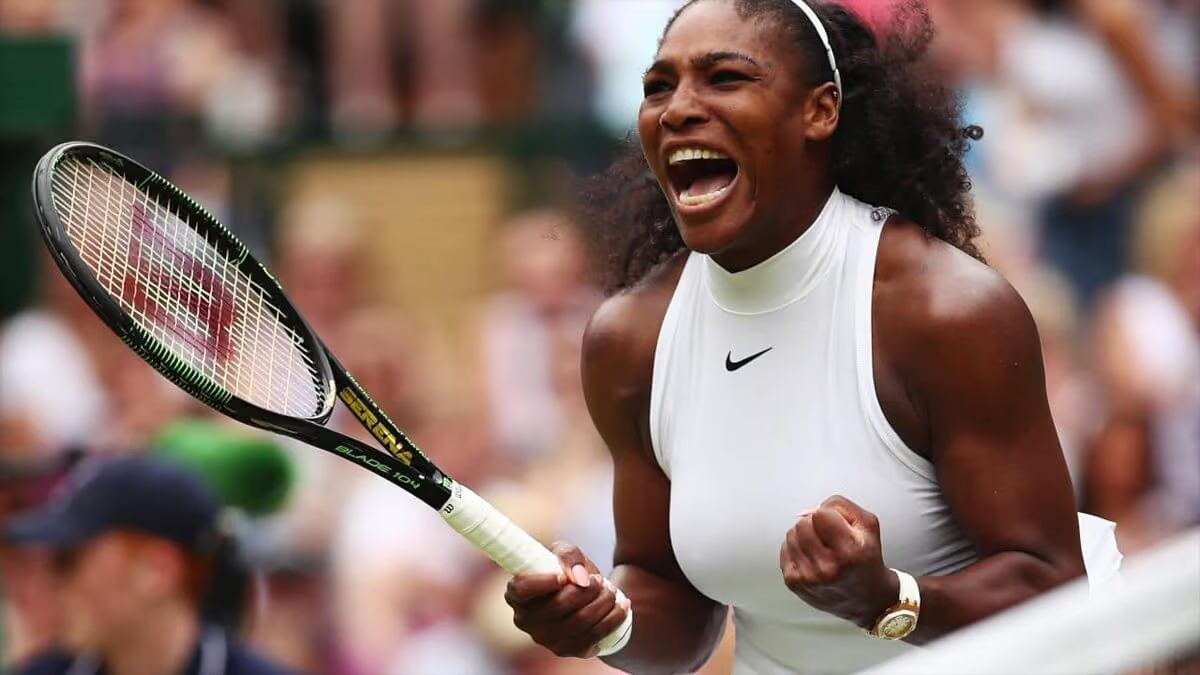
“My game is my mental toughness. It's not just about playing and winning, it's about knowing how to come back when you lose.”
Serena Williams, winner of 23 Grand Slam titles
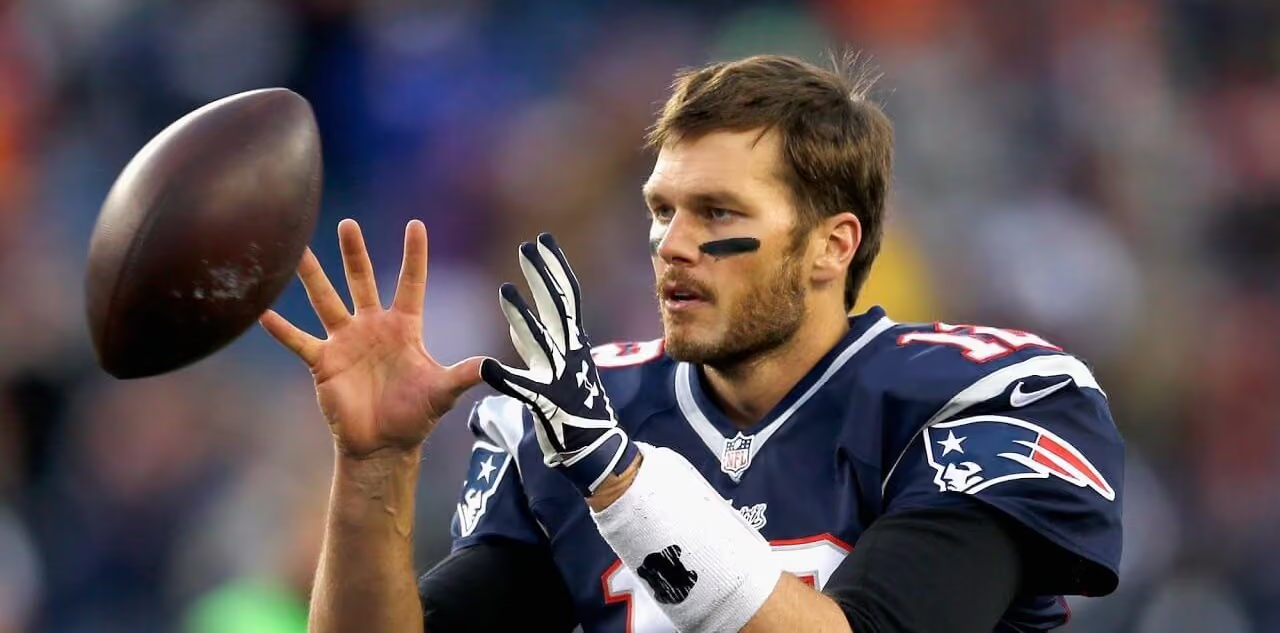
“For me, football is a lot about mental toughness.”
Tom Brady, seven-time Super Bowl champion

“In every match I try to use the pressure to my advantage. It helps me play my best.”
Lionel Messi, world champion, eight-time Ballon d'Or winner
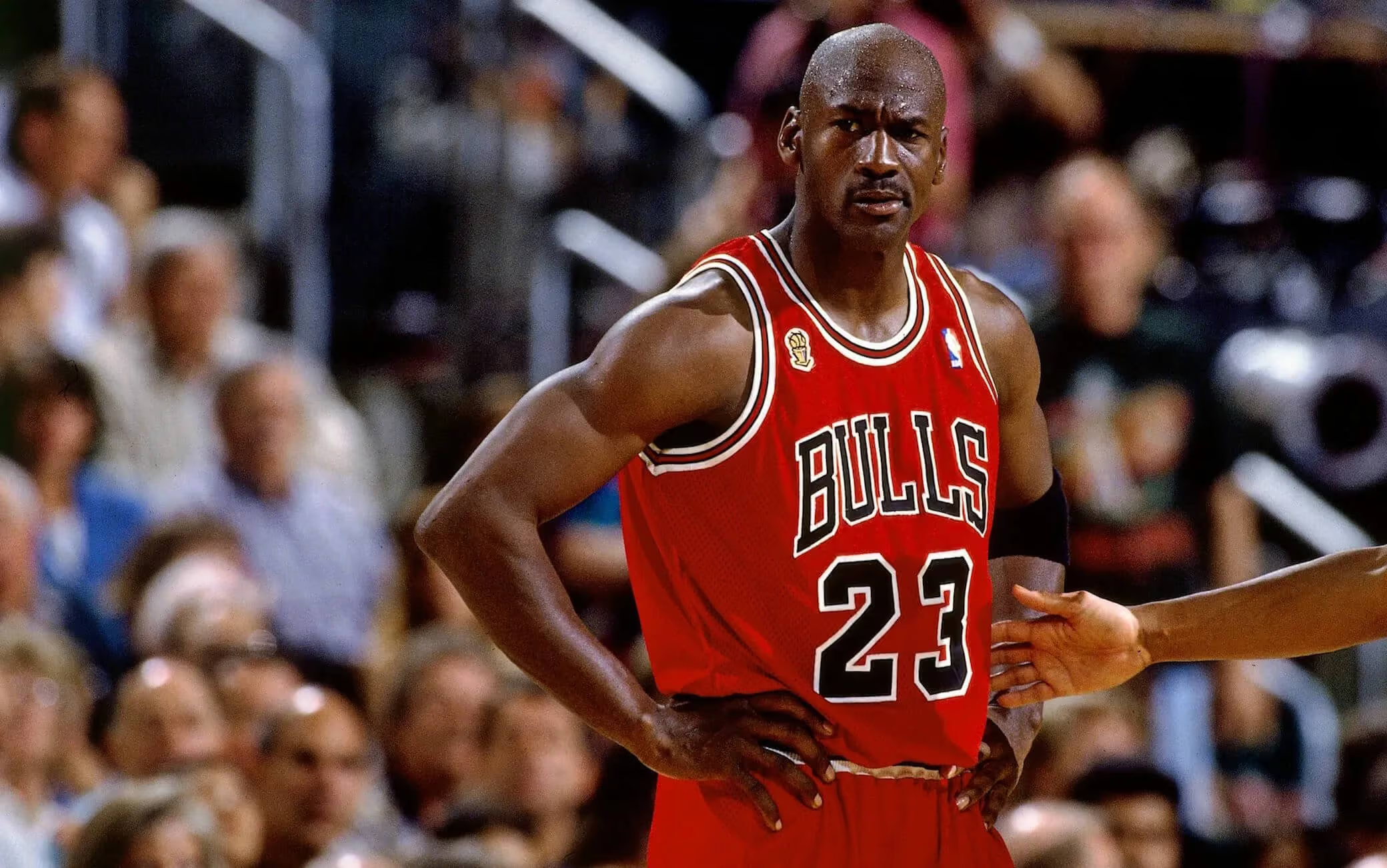
“I never looked at the consequences of missing a big shot.”
Michael Jordan, six-time NBA champion
Training in clubs and academies looks much the same: the same drills, the same hours, the same systems. On competition day the difference is in the head: who stays focused until the last minute, decides faster, doesn't freeze under pressure and recovers more quickly after a mistake.
Reaction, decision, coordination, emotion. The body carries out what the brain has decided.
Months of training, competitions and school with no recovery. Attention drops, irritability grows, motivation fades. That's how burnout begins.
It shows up as mistakes in the closing minutes, outbursts and the words “I don't want to go to training”.
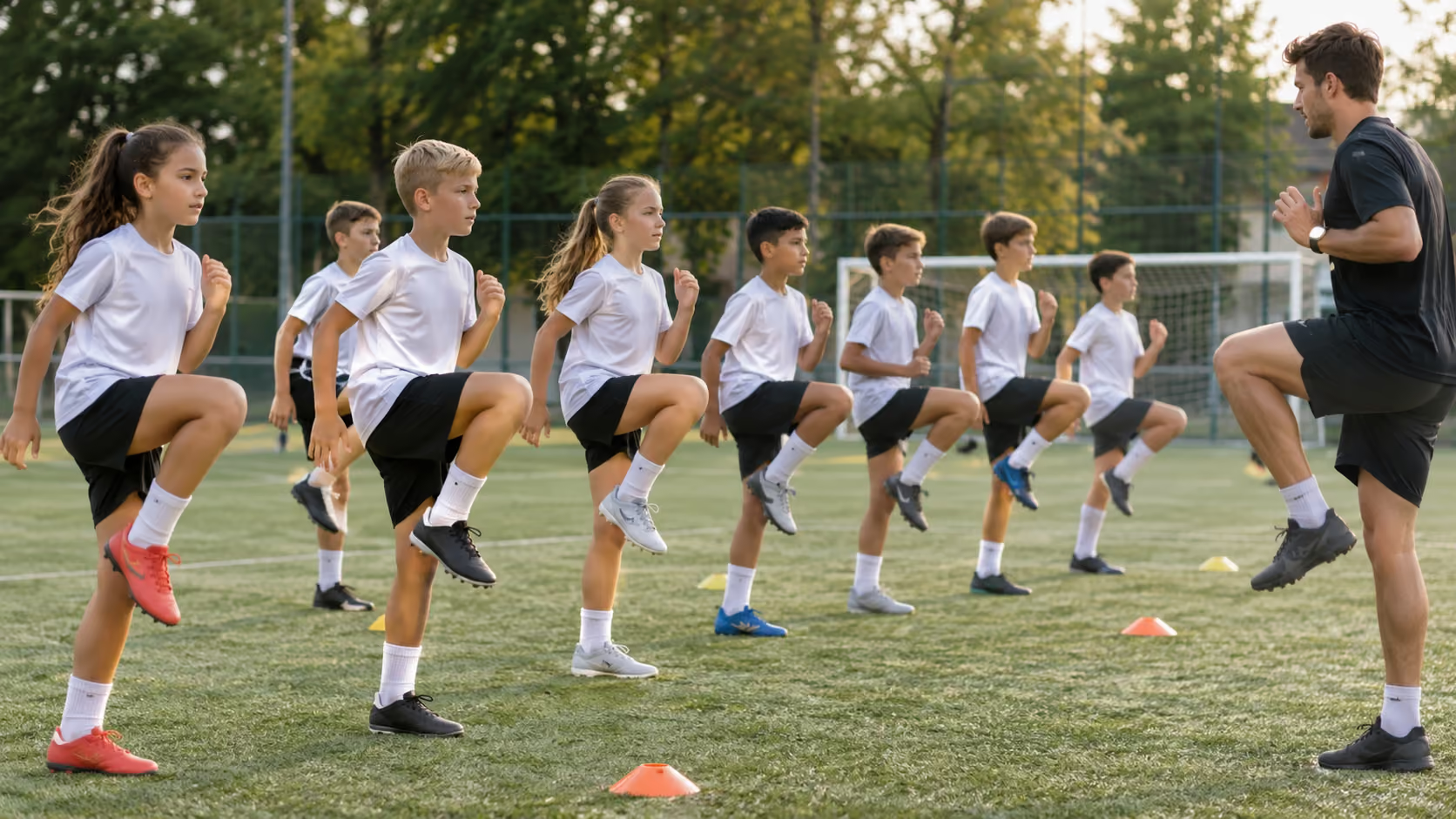
The body is the instrument. The brain and the mind decide how to play it.
Six situations parents bring to us most often. Behind each one there is something measurable.
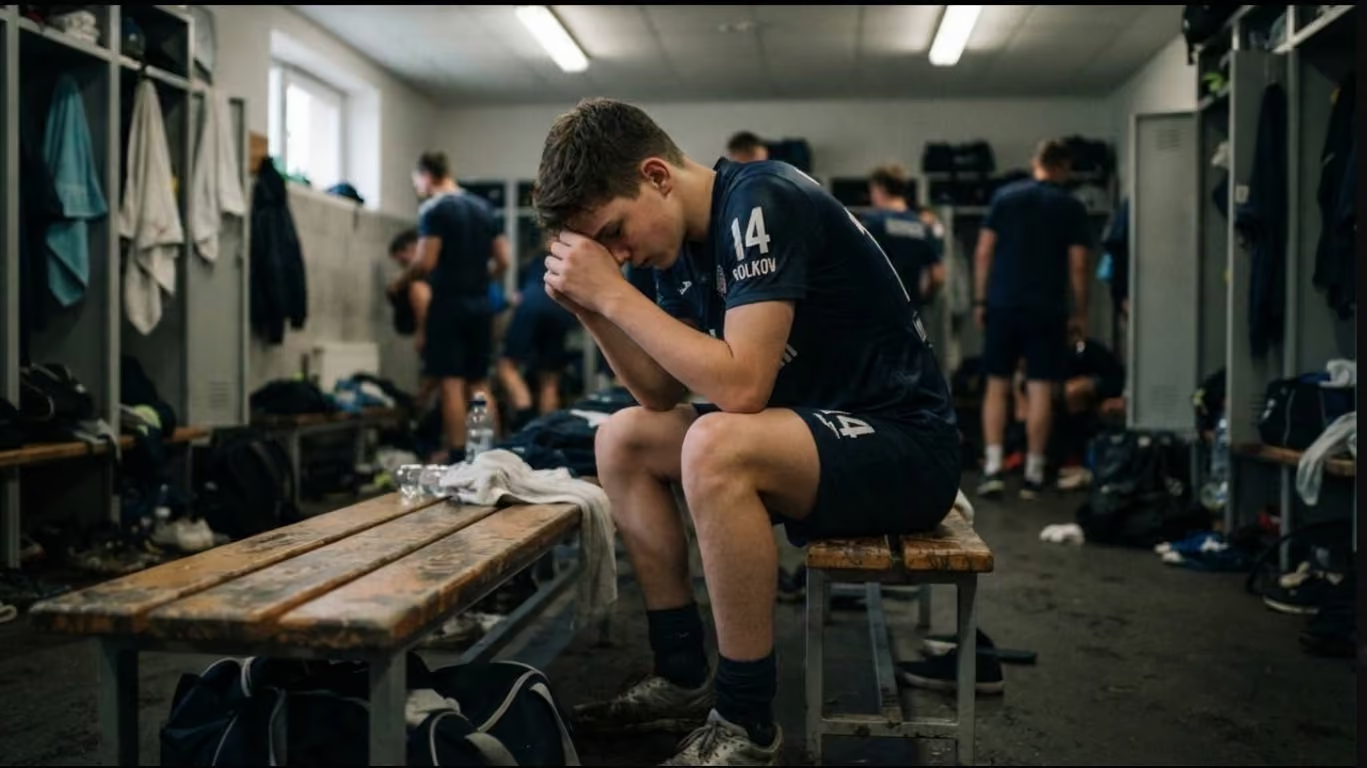
Nerves eat up everything they've worked for. Managing them is a skill, and it can be trained.
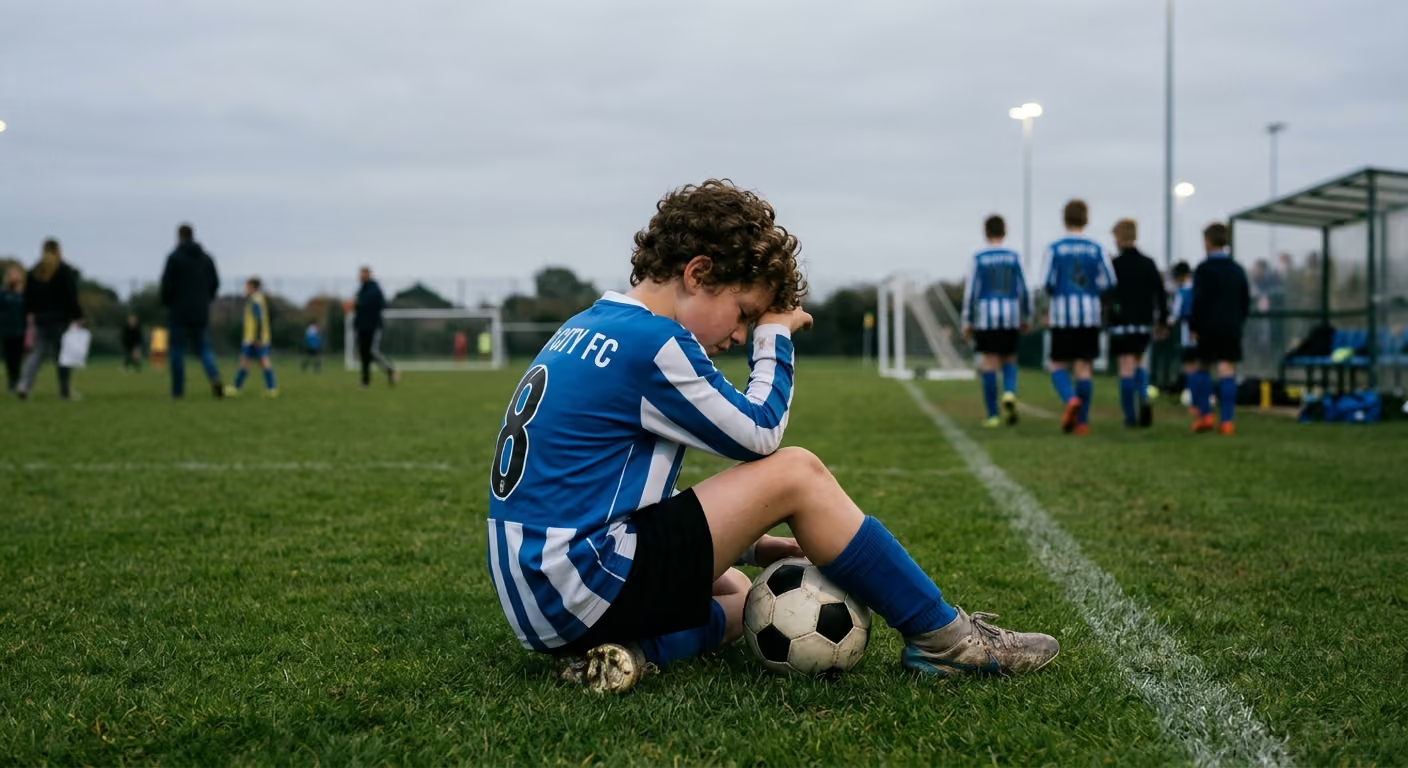
That's how a coach describes attention and decision speed. Both can be measured and developed.
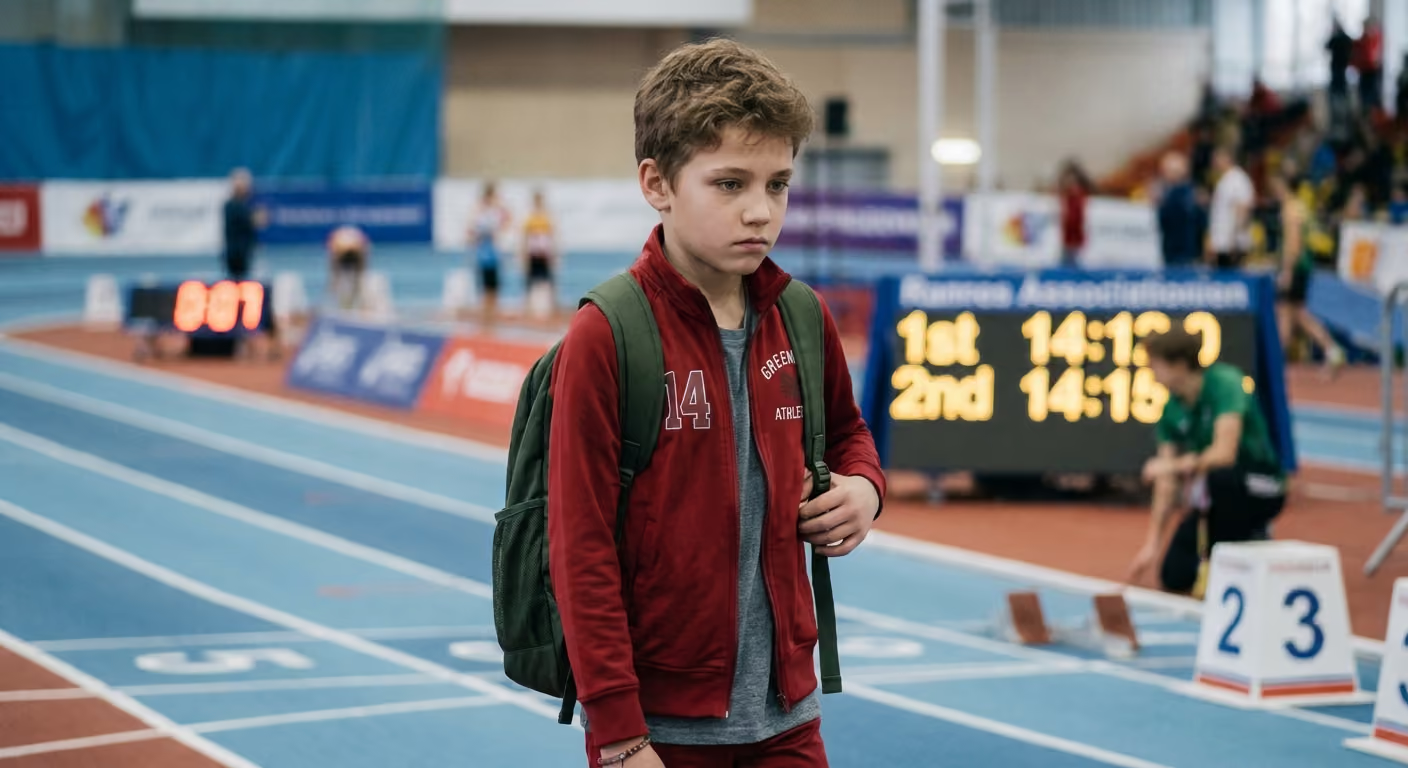
Irritability, falling grades, nodding off over homework. The load has outrun recovery.
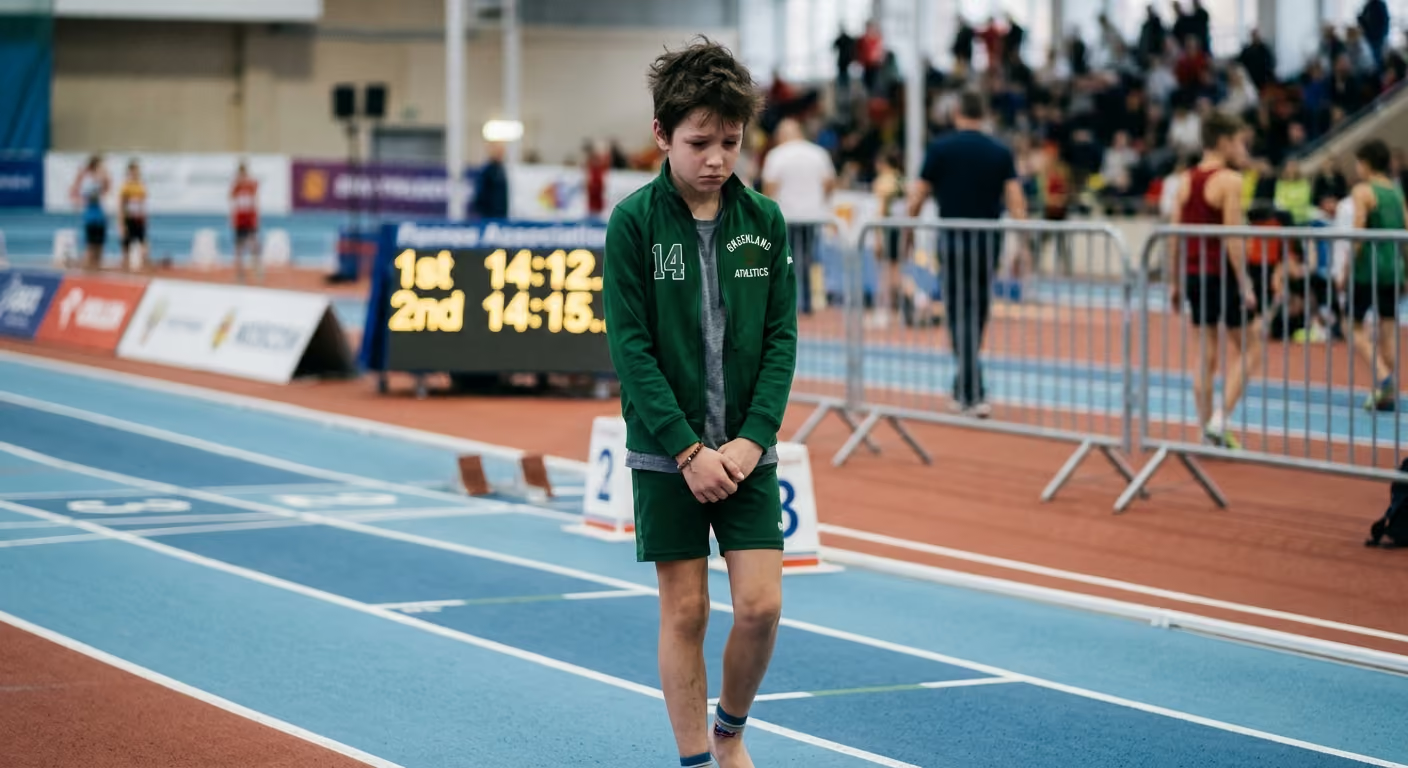
Sometimes it's down to too little sleep, low iron or not enough energy from food.
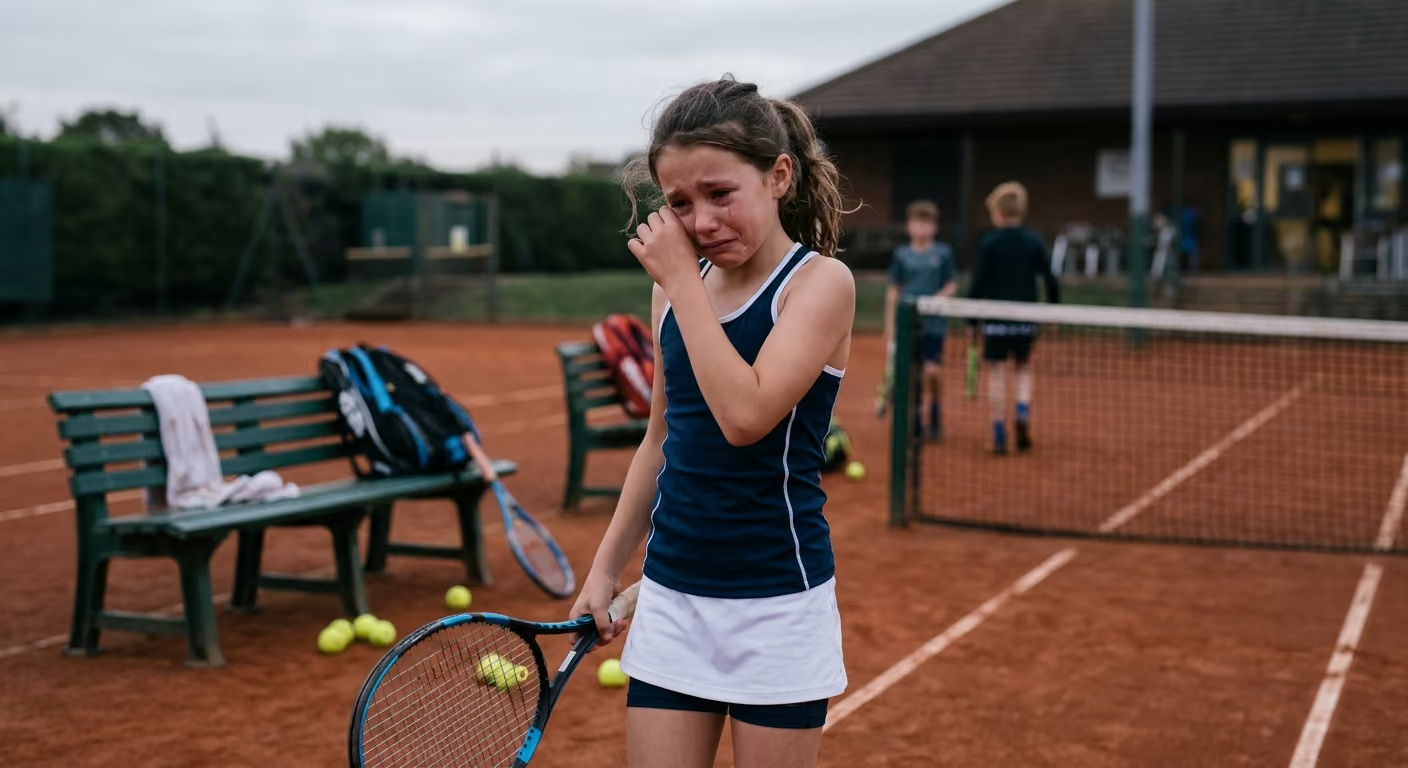
Losing interest is often the first sign of burnout, not laziness.
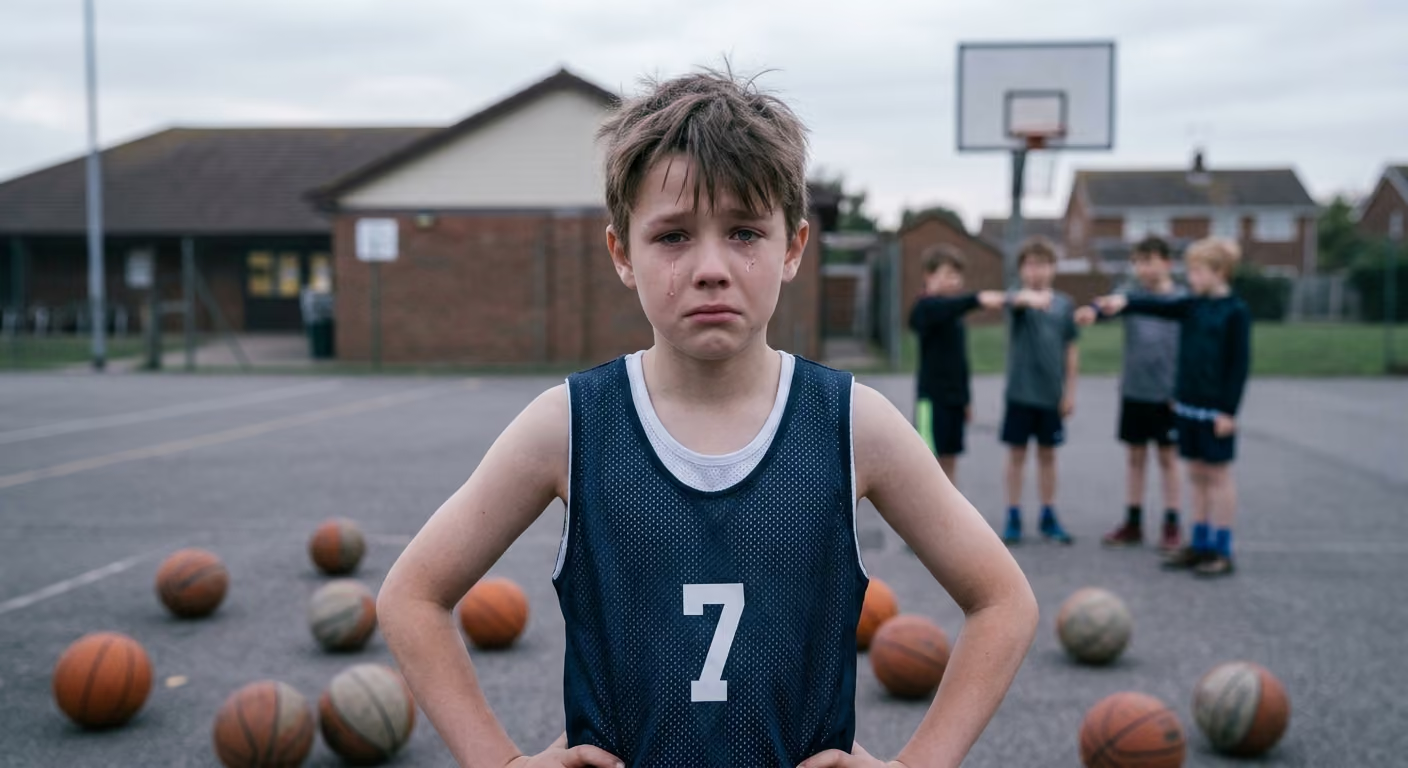
It needs a medical assessment and a proper return: first to school, then to sport.
The brain is built and runs on what the body gives it: amino acids, vitamins, iron, fatty acids. Under heavy mental and physical load the demand goes up, and a deficiency quickly hits attention, motivation, mood and recovery.
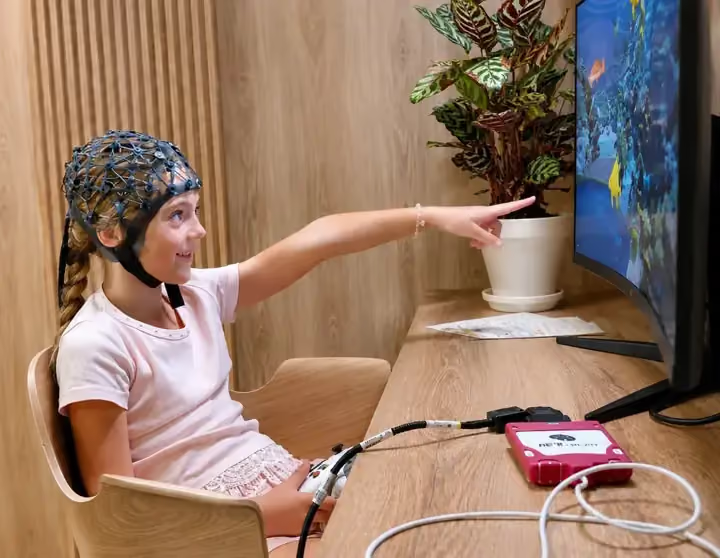
Test:
What it shows:
Picks up signs of fatigue, imbalance, overload and reduced concentration.

Test:
What it shows:
Measures concentration, anxiety, burnout, motivation and emotional resilience.
Test:
What it shows:
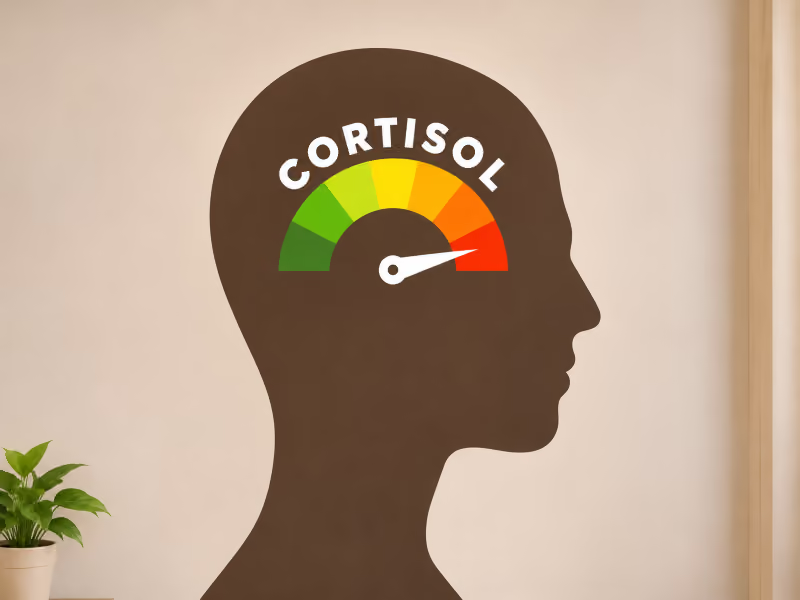
A quick read on stress (cortisol, DHEA) to adjust training loads.
Test:
What it shows:
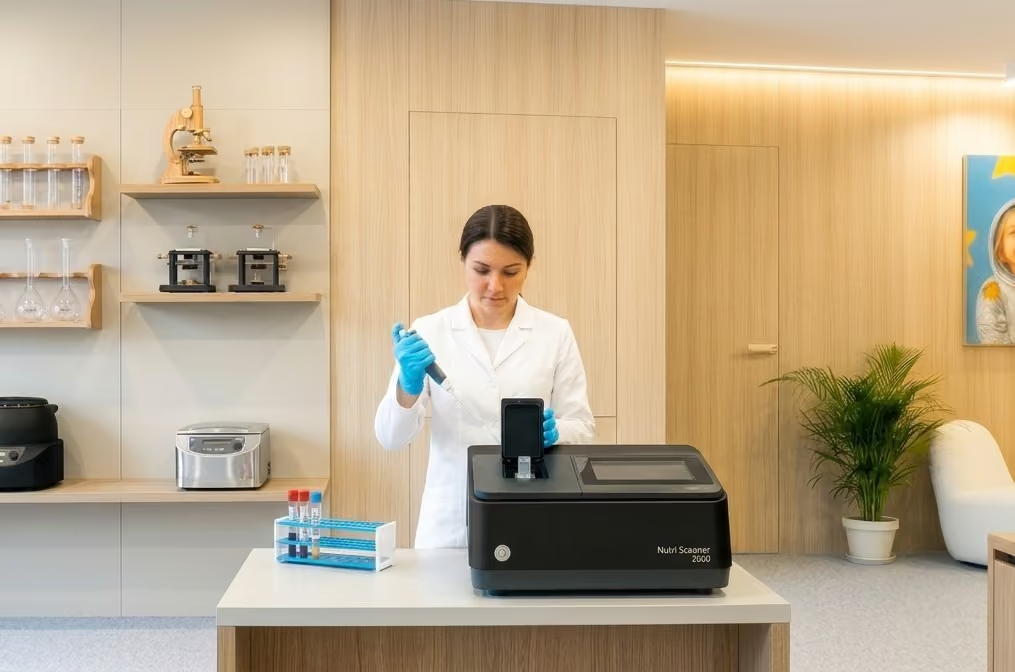
Body levels of key trace elements, vitamins, minerals and amino acids
Test:
What it shows:
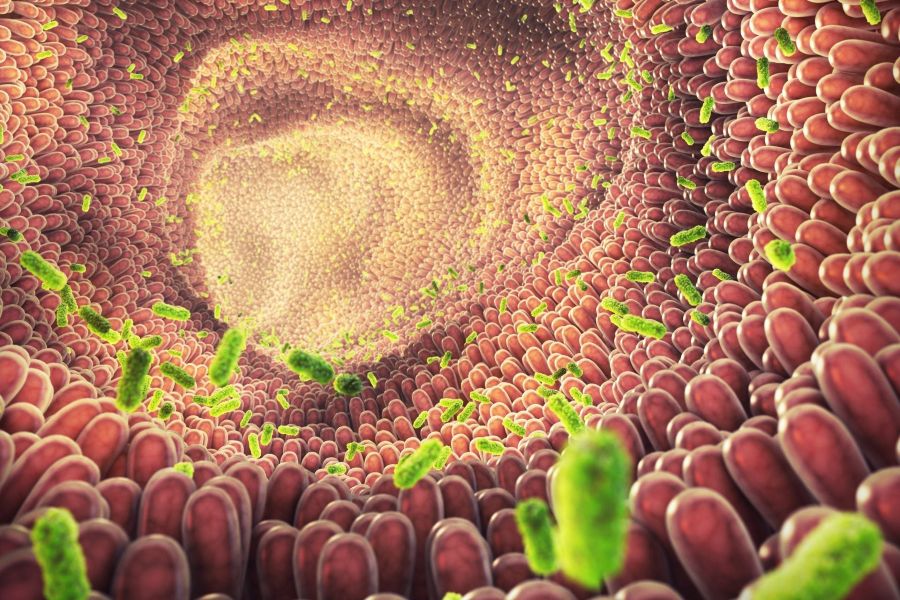
Looks at the make-up of the gut microbiota, which affects immunity, metabolism and serotonin production.

Test:
What it shows:
Picks up hidden deficiencies and toxic load that affect attention and recovery.
An integrated system designed for professional sport, combining neuroscience, molecular biology and digital technology.
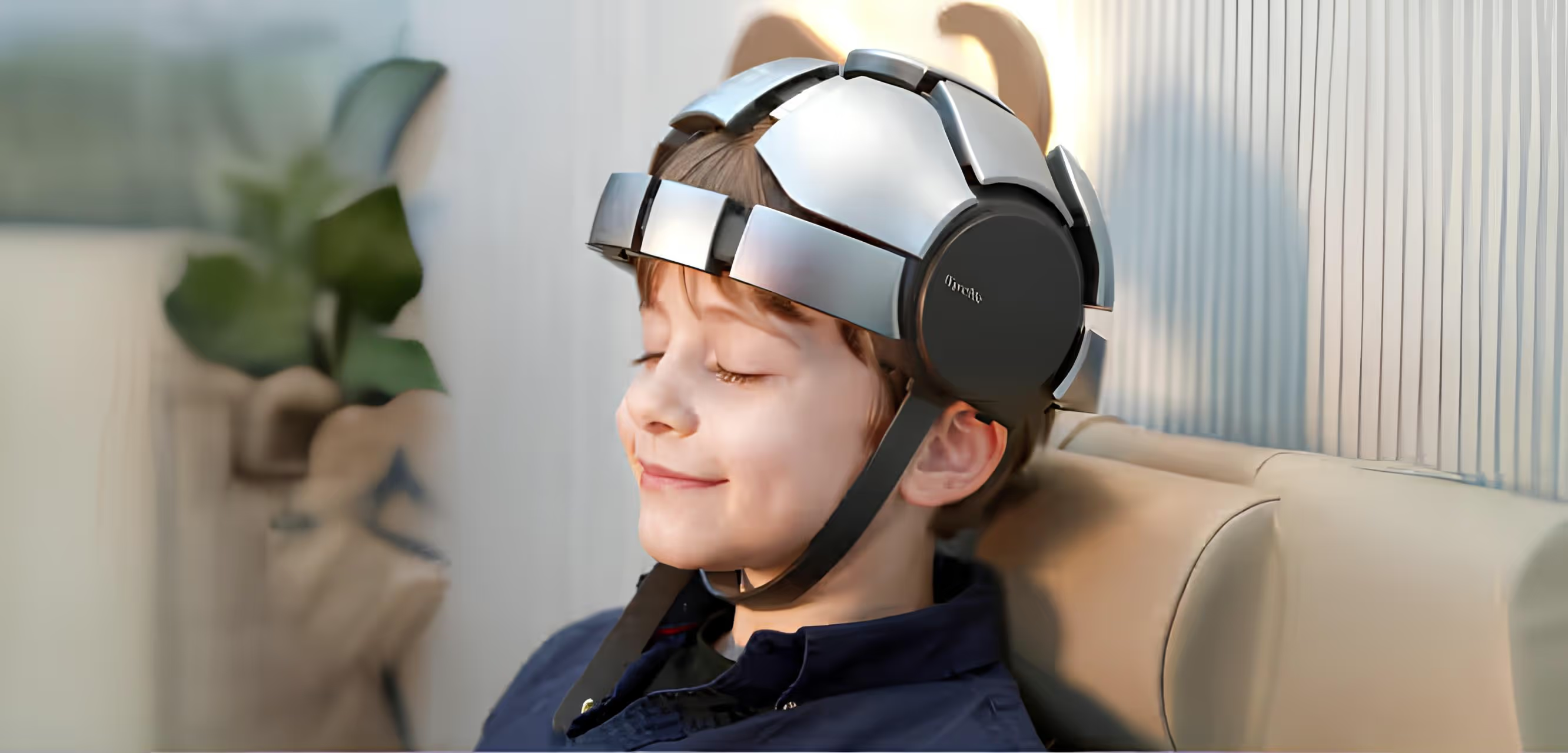
Trains brain activity to help improve concentration and reaction speed.
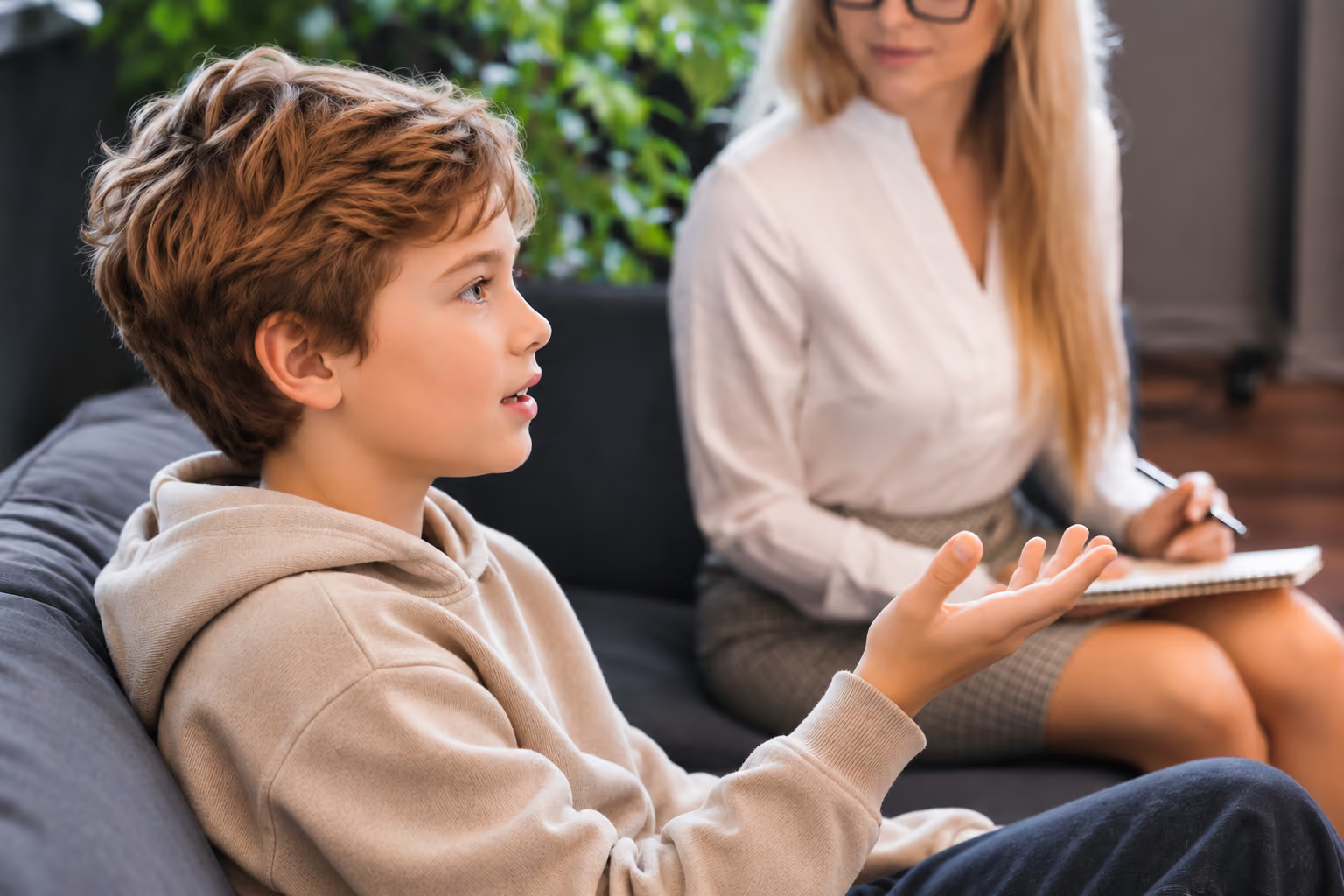
Helps manage stress and build psychological resilience.
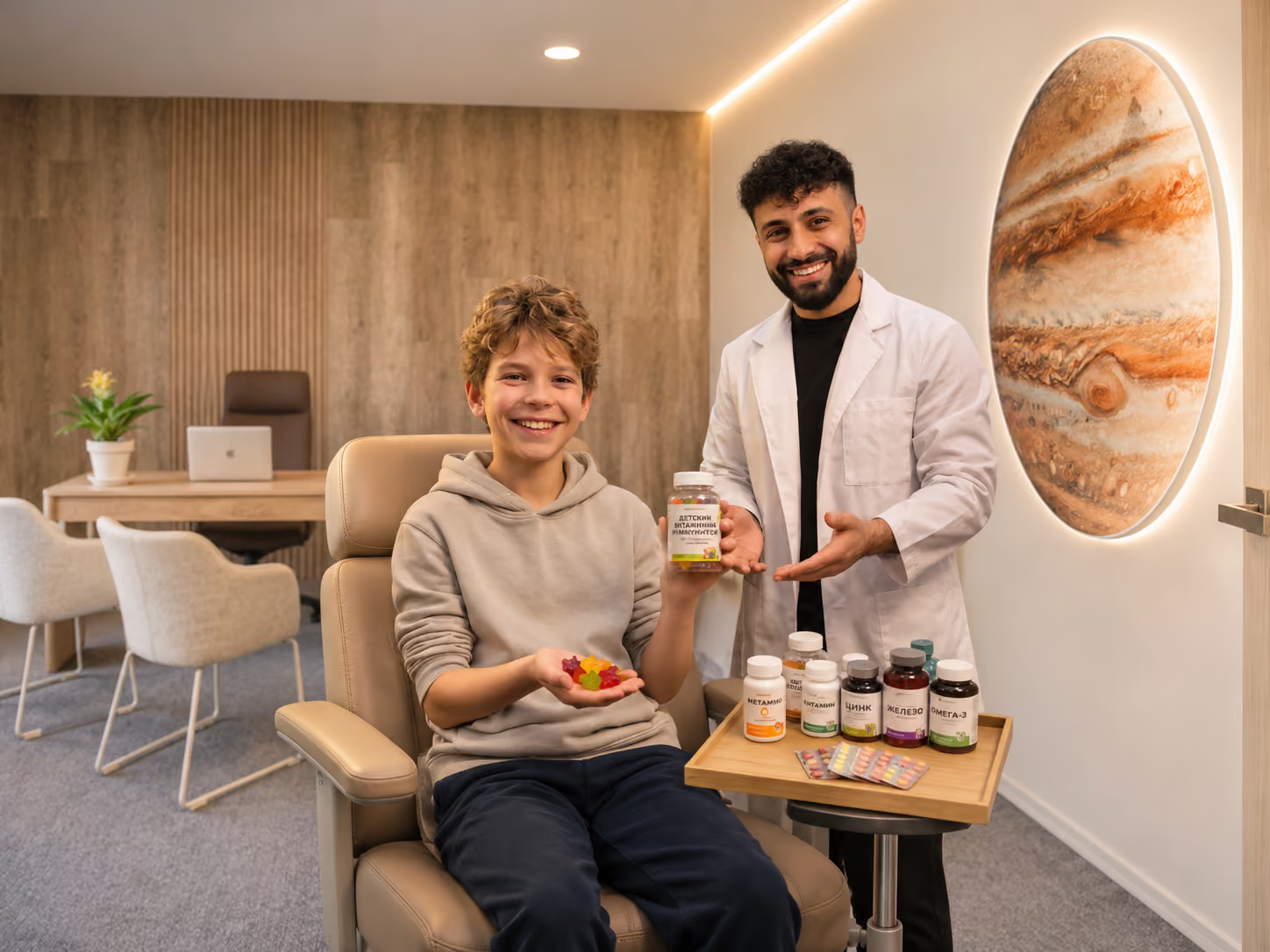
Corrects vitamin and mineral deficiencies and helps normalise metabolism.

Comprehensive programmes to restore the nervous system and reduce stress.
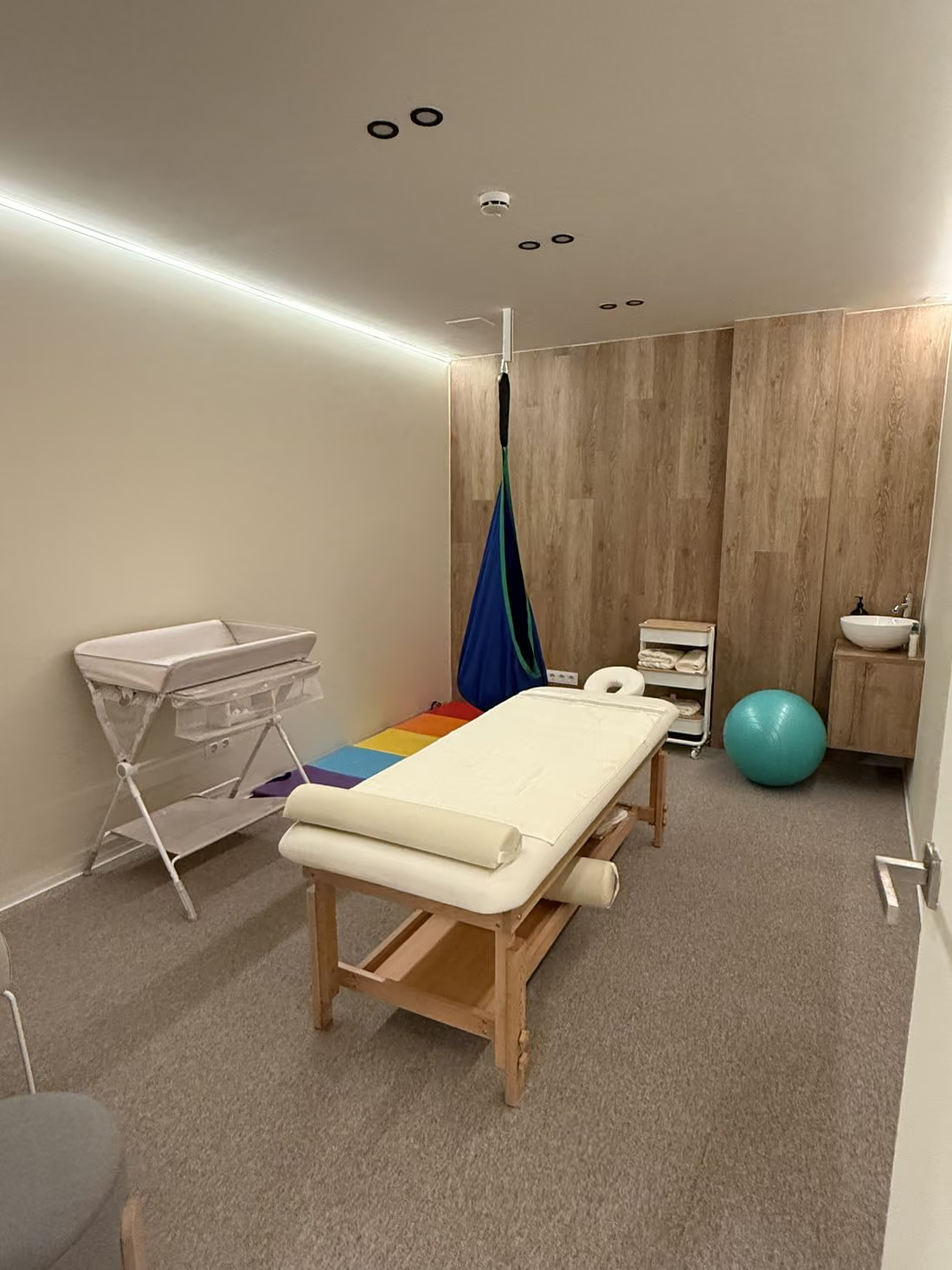
Massage and manual techniques to improve mobility and reduce pain.
Some tests need no blood draw from a vein: a finger-prick drop of blood, urine, saliva and stool. More on the Metabolism Plus page.
For parents of young athletes
Does your child get nervous before competitions, tire quickly or lose motivation? Tell us what's going on. We'll get in touch, answer your questions and help you choose the right first step.
The brain and the training load change over the year. So we don't look just once - we check at the key moments.
Pre-season
Attention, reaction, sleep, mood. The reference point for the year.
Mid-season
Are reaction and motivation dropping, is there enough sleep, any signs of burnout.
After an injury or a blow to the head
A medical assessment using an international protocol, compared with the child's own baseline. School first, then sport.
End of season
What changed over the year, and a recovery plan before the next season.
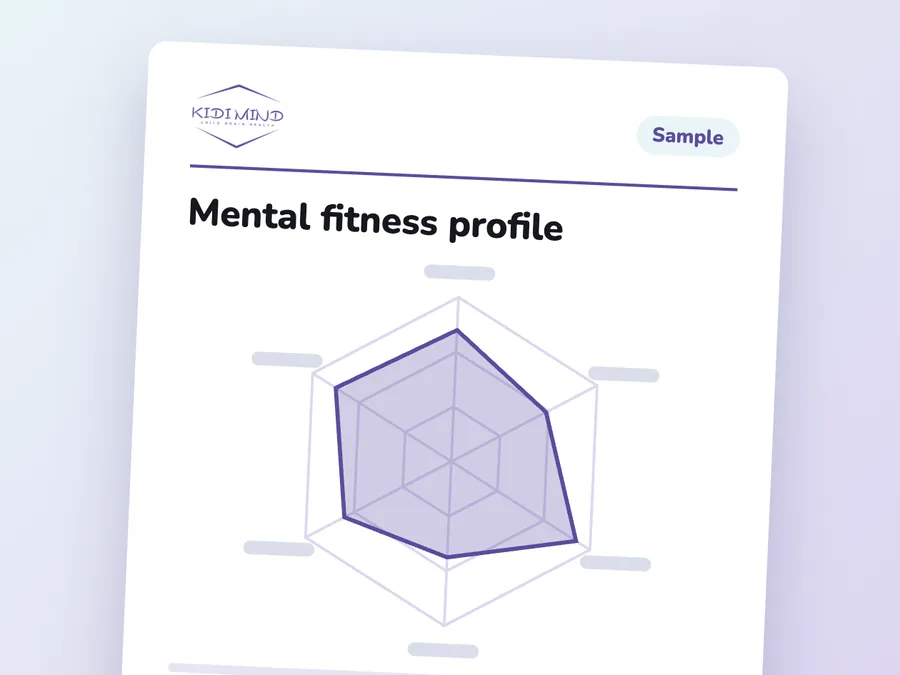
We explain the results in light of age and training load.
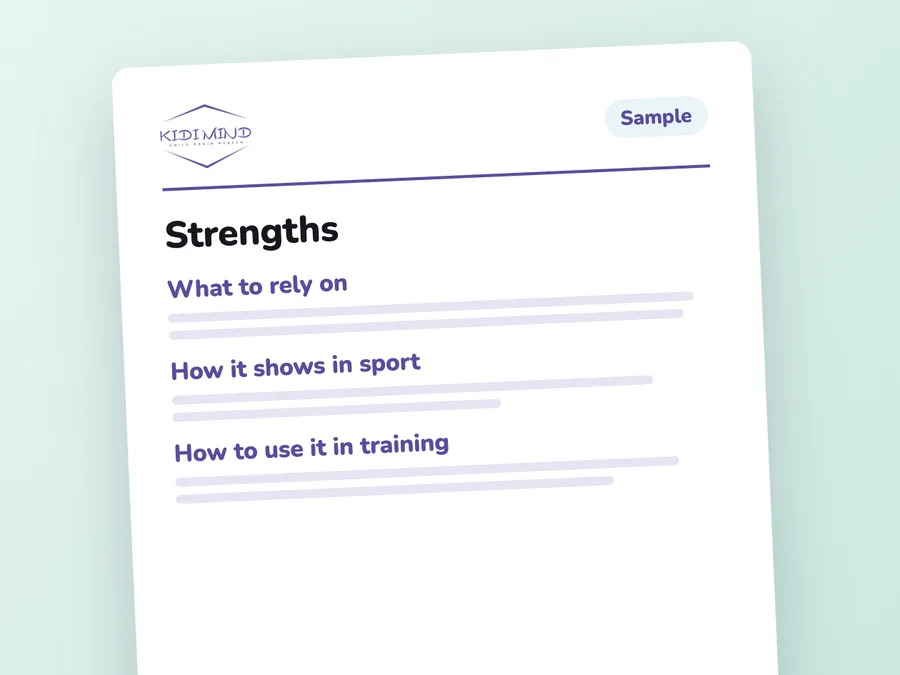
What your child can build on in their sport.
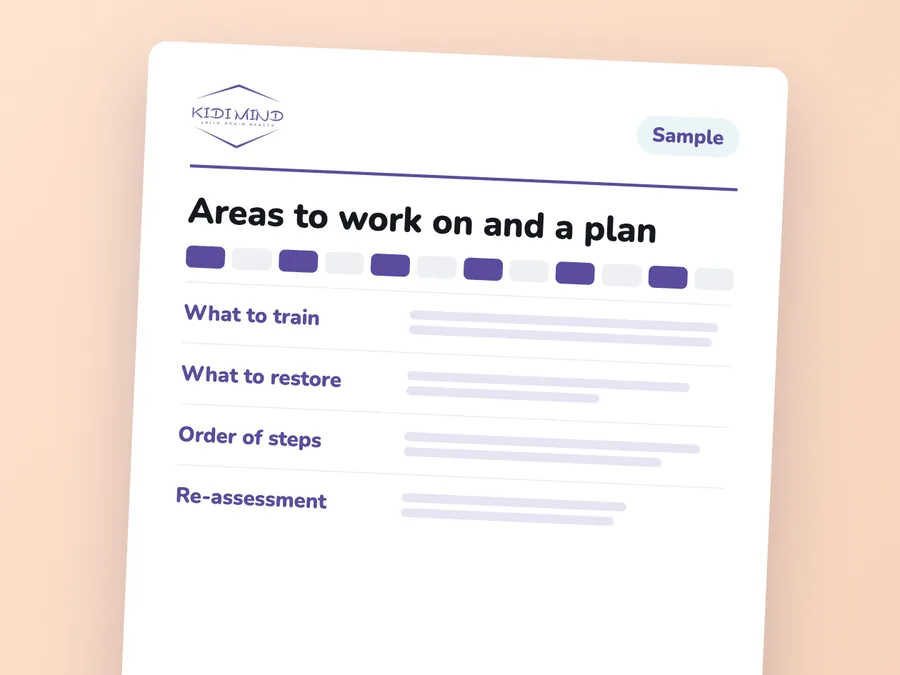
What to train, what to restore and in what order.
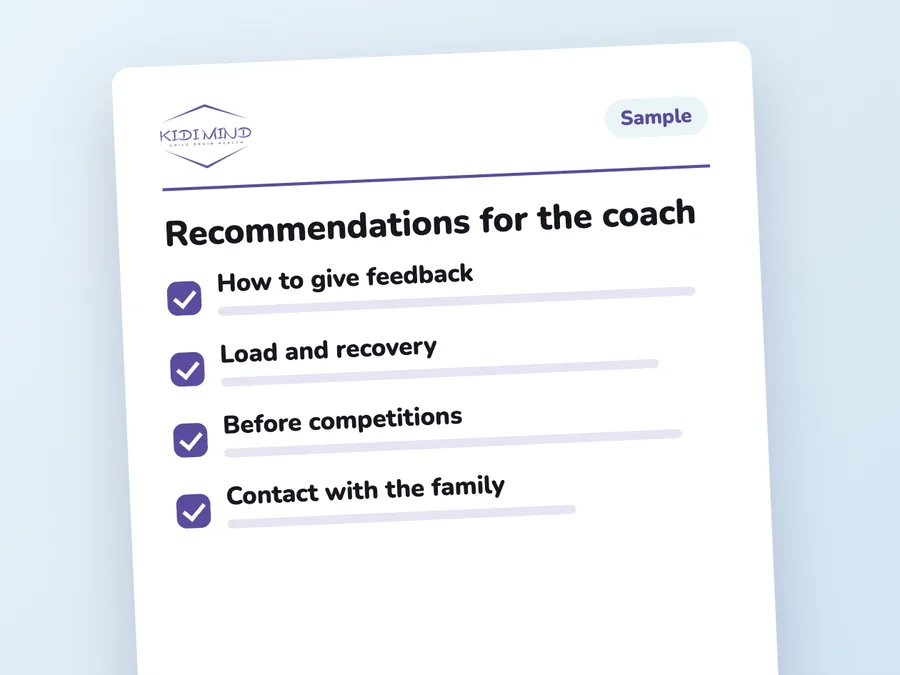
Only with your consent and only as much as you choose to share.
Composite cases based on typical situations. Names have been changed.
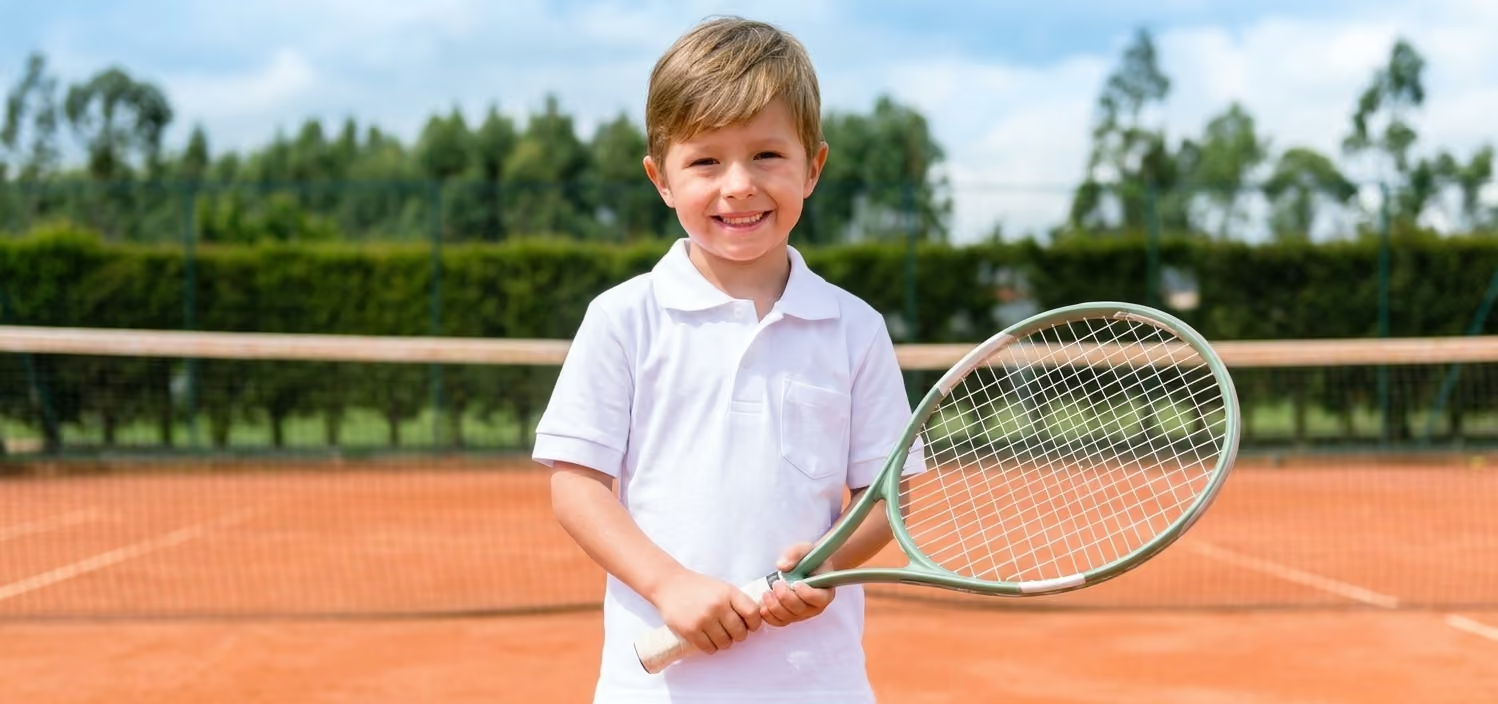
Before
Loses matches he should win. Sleeps badly before tournaments, gets stomach aches.
What we found
High competition anxiety; brain mapping showed signs of over-arousal. Reaction and attention were normal: technique wasn't the issue.
What we did and what changed
Mental skills: breathing, a pre-serve routine, self-talk. 12 neurofeedback sessions. A module for parents.
Sleeps before tournaments, holds his score more steadily at the end of matches and uses his routine on his own.
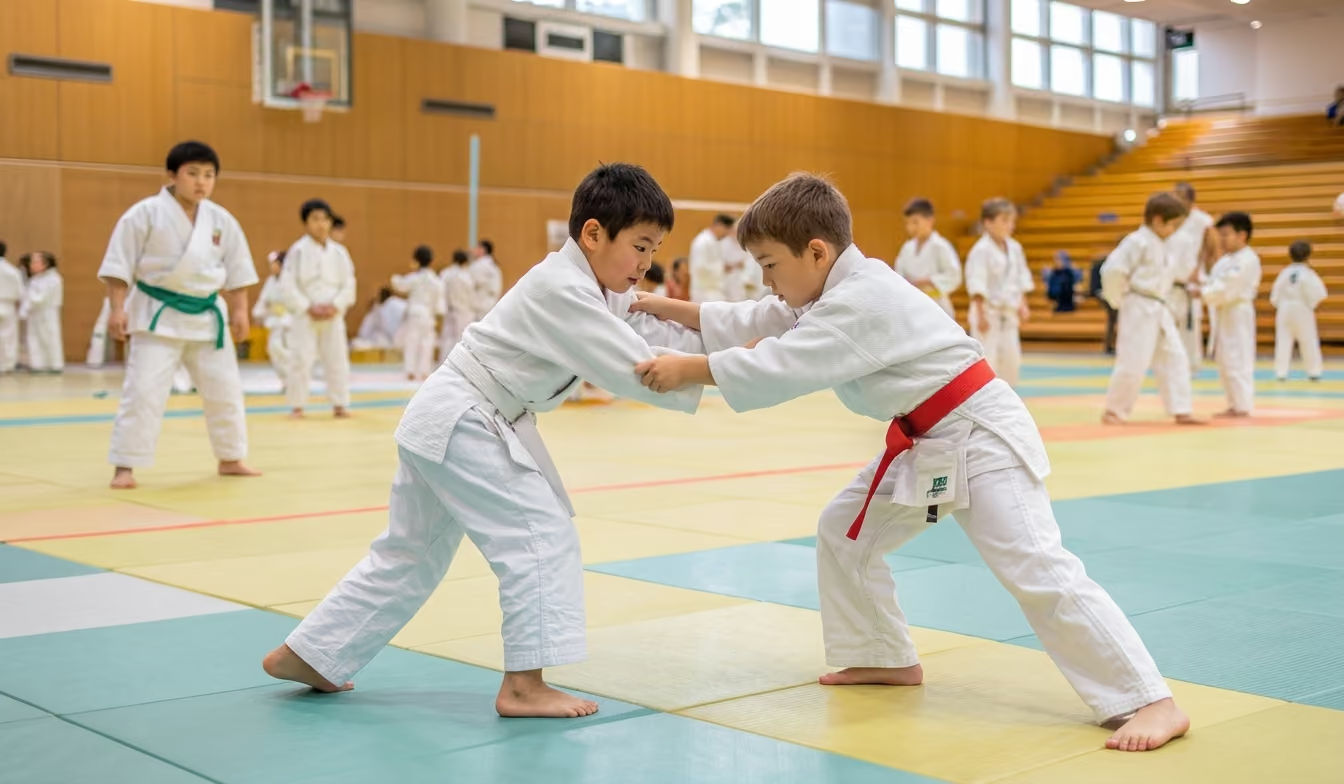
Before
A bad fall and a headache. The next day he struggles to concentrate at school. His profile had been done at the start of the season.
What we found
Medical assessment using the SCAT6 protocol. Reaction and attention below his own season baseline.
What we did and what changed
First school with a lighter load, then a step-by-step return to training under medical supervision.
He went back on the mat once the symptoms had gone and his results were back to his normal. Not before.
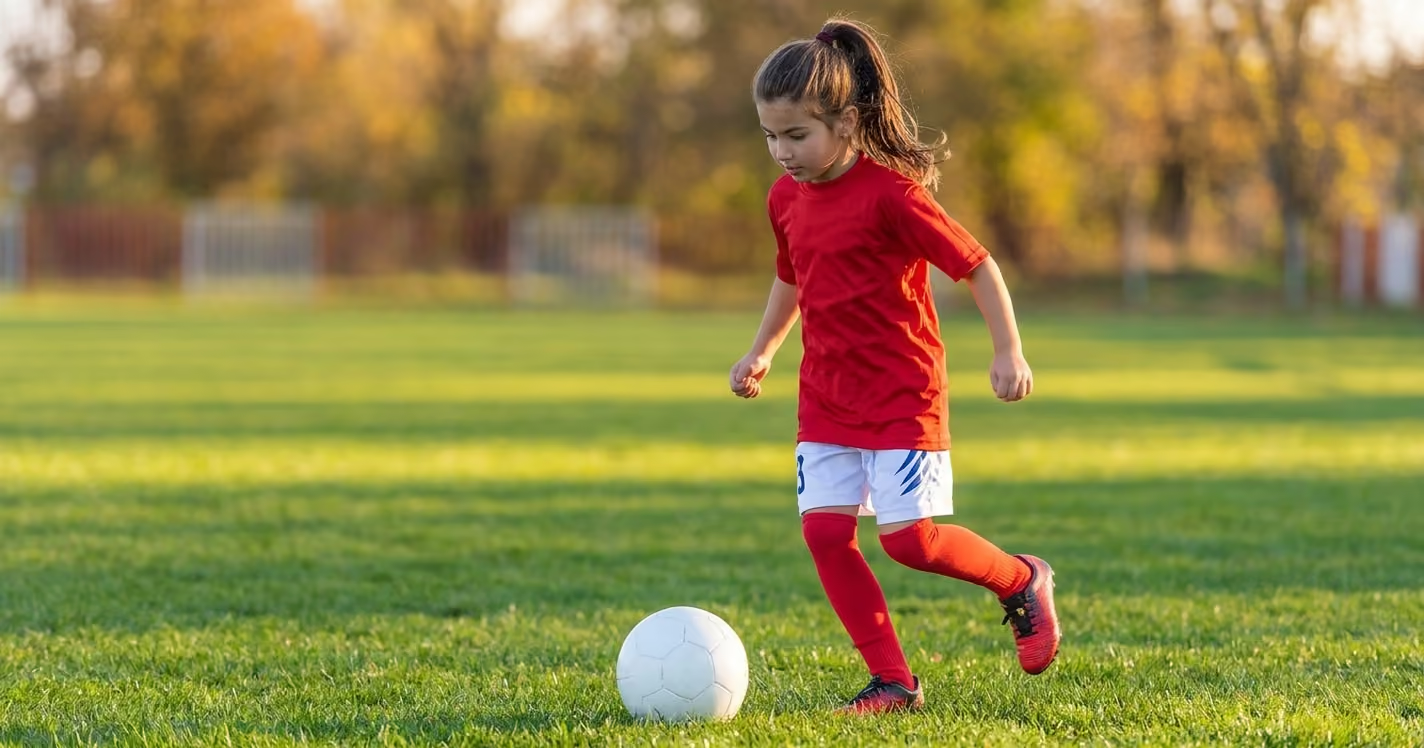
Before
Six training sessions a week. Fatigue, irritability, results dropping. Falls asleep around 1 a.m.
What we found
Low ferritin, found with a single targeted test. Around 6.5 hours of sleep. The nutritionist: her food isn't providing enough energy for the load.
What we did and what changed
The doctor prescribed iron correction, the nutritionist reworked her diet and her sleep schedule was moved. The coach cut her training volume for three weeks.
Two months later she was back to her usual speed in training, and the irritability had gone.
Doctors and therapists with international experience. Every child is supported by the entire team.
On this topic
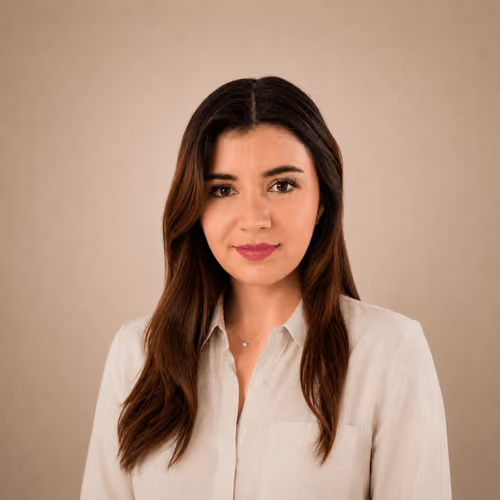
Neurofeedback and Brain Mapping Technician
Expert in neuropsychological diagnostics, cognitive rehabilitation, and neuromodulation with over 10 years of experience. Board-certified neurofeedback practitioner (BCN, BCIA). EMDR therapist. Master's student in Neurosciences.

Neuropsychologist
With a warm, empathetic, and evidence-based approach, I support children, adolescents, and families through assessment and intervention processes, identifying both their needs and their strengths. My goal is to make daily life more manageable for neurodivergent individuals and their surroundings, promoting their wellbeing and quality of life.
Professional registration number: 30488

Dietitian
Expert in selective eating. Experience designing diets based on metabolism and microbiome analysis / experience working with individuals with autism and food selectivity.
Professional registration number: CAT002684
The rest of the team
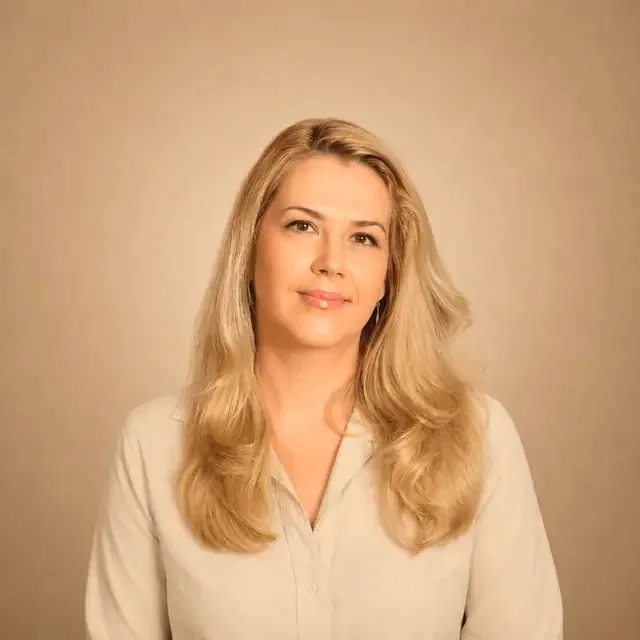
Medical Coordinator
Physician (MD), pediatric neurologist, epileptologist, specialist in rare genetic and metabolic disorders. PhD research fellow at Sant Joan de Déu Hospital, Barcelona, Spain.
Professional registration number: 51436
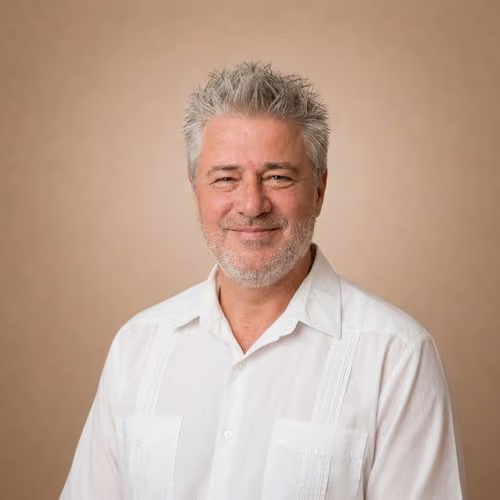
Advisor
Psychologist and Therapist for Adults, Couples, and Families Master's Degree in General Health Psychology, Master's Degree in Clinical and Health Psychology, and Postgraduate Training in Clinical Psychopathology. Specialist in Emergency Psychology and family interventions in high-complexity cases.
Professional Registration Number (COPCA): 17130
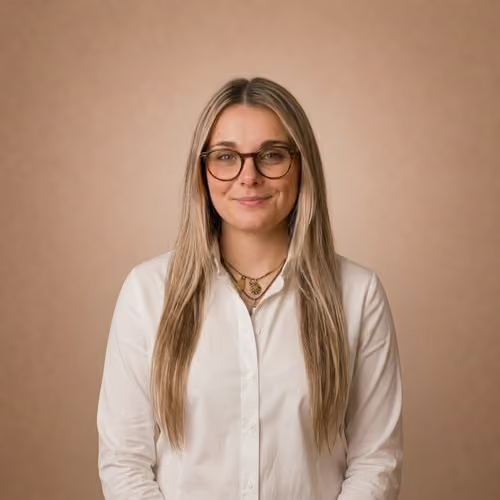
Sensory Integration Specialist / Occupational Therapist
My work consists of helping children develop the skills they need to participate in their daily lives with greater autonomy and wellbeing: playing, learning, building relationships, getting dressed, eating, resting, and enjoying their routines.
Professional registration number: 46201265

Pediatric Physiotherapist
Passionate about child neurodevelopment and supporting every child through their growth journey. I work with warmth, play, and movement, respecting each child's pace and needs, as well as those of their family.
Professional registration number: 18040
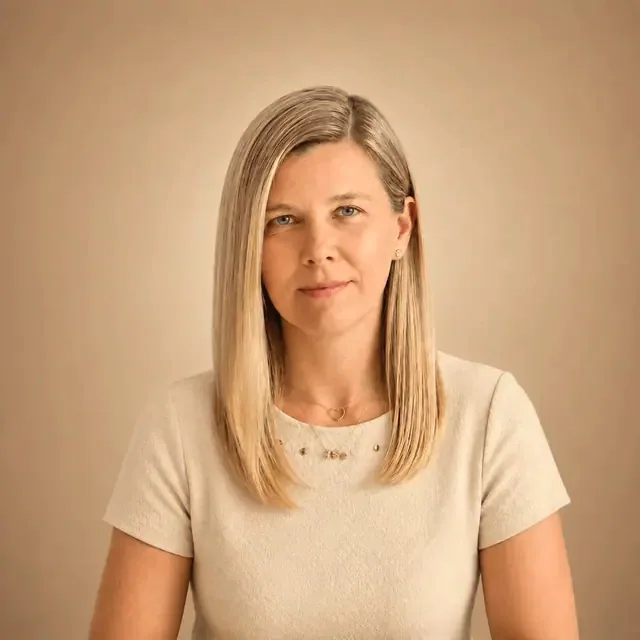
Clinical Coordinator
Clinical psychologist, specialist in pediatric intervention with experience working with children with ADHD, ASD, and learning difficulties. Focus areas: neurodevelopment, emotional regulation, and family support.
Professional Registration Number 36681

Chief Executive Officer (CEO)
International expert on the development of cognitive and behavioral skills of the human brain.
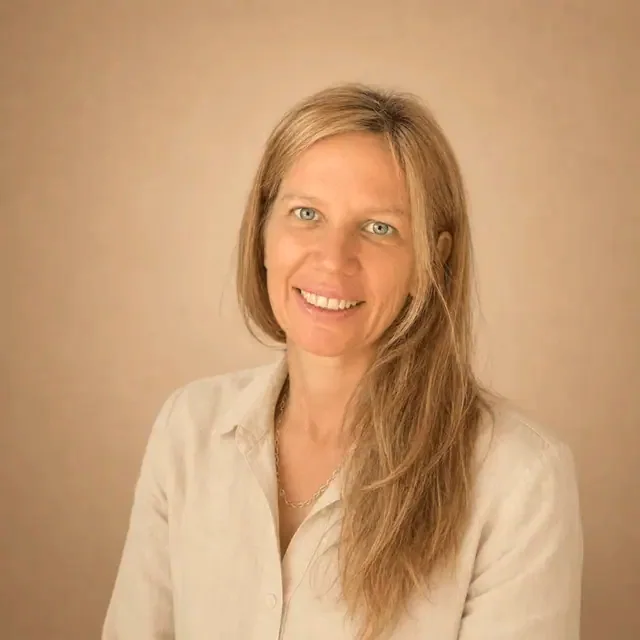
Pediatrician specialising in child mental health
Pediatrician and neonatologist, trained in child and adolescent neuropsychiatry, specializing in neurodevelopmental disorders (autism spectrum disorders, ADHD, anxiety disorders, and emotional regulation difficulties in teenagers).
Professional registration number: 63497
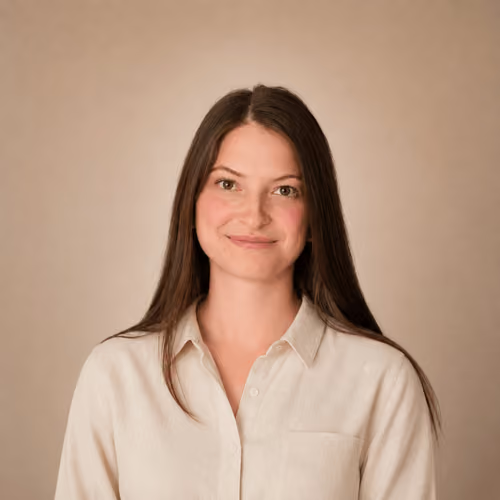
Pediatric Massage Therapist
Specialist in motor development for children from birth to 12 years. Over 11 years of clinical experience. Focus areas: motor developmental delays, movement disorders, and integration of primitive reflexes.

Pediatric Physician
Pediatrician with more than 35 years of experience in neonatology and intensive care. Focus areas: pediatric neurology, neonatology, and ultrasound diagnostics.
Professional registration number: 61652
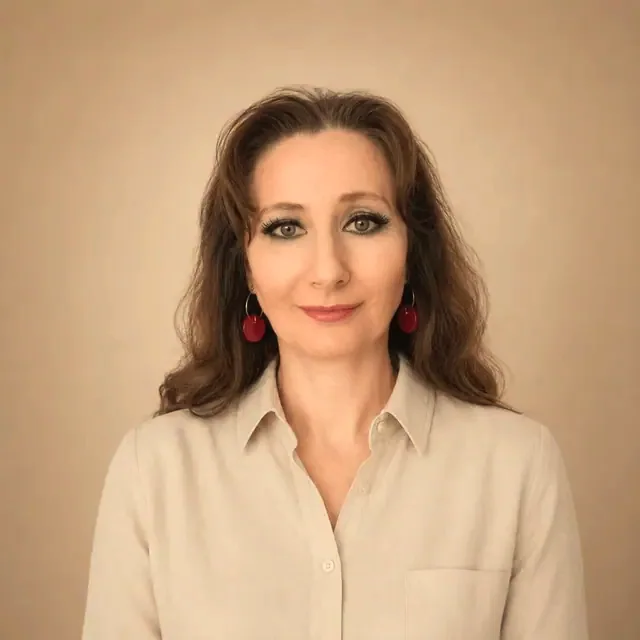
Child and Adolescent Psychologist
Clinical psychologist with over 24 years of practice, member of the Official College of Psychologists of Catalonia. Focus areas: psychotherapy for children and adolescents, anxiety disorders, trauma, ADHD, adjustment disorders, and family work. Integrative approach: CBT, ACT, trauma therapy, systemic family therapy.
Professional registration number: 29589
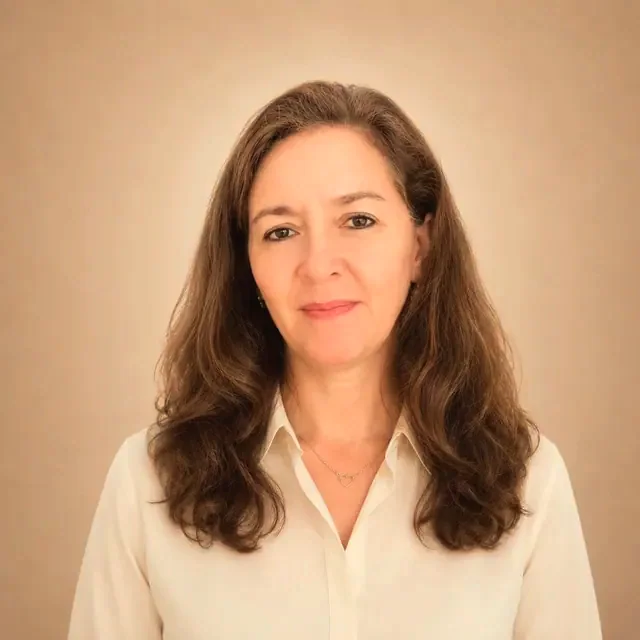
Physiotherapist
Over 20 years of experience in pediatric rehabilitation and special education. Specializes in enhancing mobility, fostering independence, and promoting inclusion for children with special needs.
Professional registration number: 18405
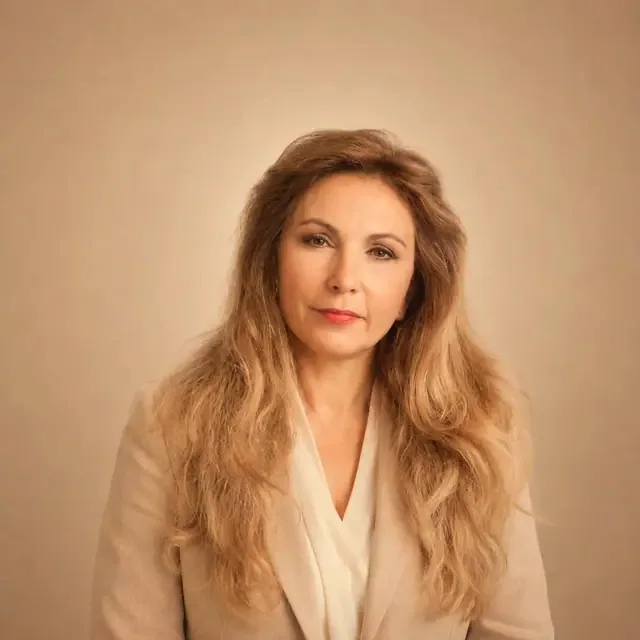
Psychiatrist
A psychotherapist with experience in the leading addiction treatment center in Europe. Specializes in the treatment of patients suffering from substance and behavioral addictions
Professional registration number: 49839

Licensed psychologist with a Master's degree in Forensic Psychology
Specializing in expert witness reports in civil, criminal, and family law contexts. He has over ten years of experience in clinical and socio-community psychology, primarily working with children and families in vulnerable situations. His approach integrates a systemic and psychodynamic perspective with cognitive-behavioral techniques. He works with children, adolescents, and adults, providing family support and individual psychotherapy.
Professional registration number: 32258

Pediatric neurologist
Languages: Spanish, English. Patients: 0–18 years.
Professional registration number: 66979

Speech therapist
Languages: Spanish, English. Patients: 3–18 years.
Professional registration number: 5343

Neuropsychologist
Professional registration number: 29591
Book a sports check-up and find out what to train and what to restore.
From 8 to 17.
No. Regular training is enough - football, tennis, swimming, martial arts, gymnastics, dance.
No. The coach runs the sport. We provide objective data and train mental skills.
Only if you decide to share them.
Not for the check-up. Lab tests only when indicated, and some without a blood draw from a vein.
See a doctor first. With any warning signs, go straight to A&E. We carry out an assessment using an international protocol and support the return to school and sport.
Before the season, mid-season and at the end. And after an injury.
In English, Spanish or Russian.
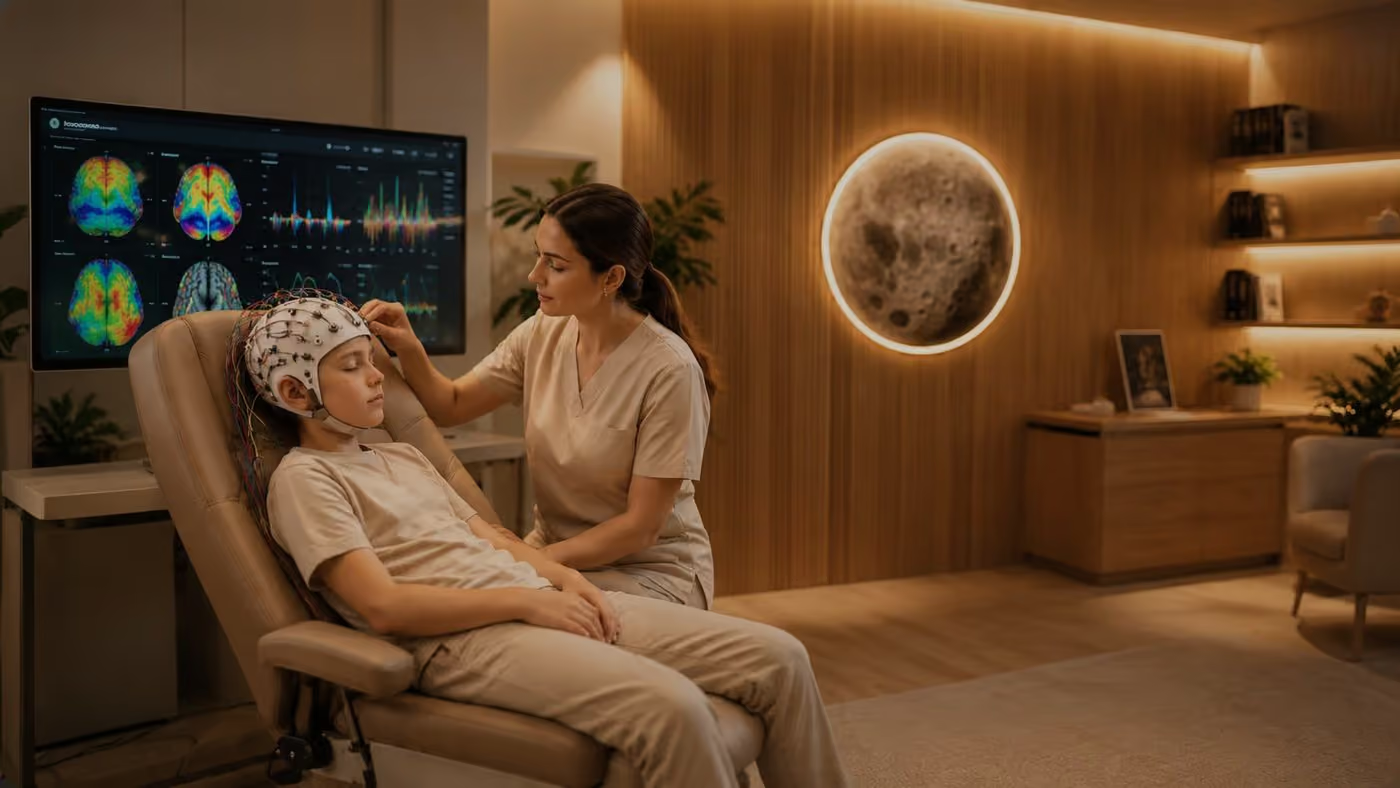
It doesn't hurt and it isn't scary. A soft cap with electrodes goes on the head: the device only listens to the brain's electrical activity, it doesn't send anything or act on the brain. The specialist gets to know your child first and explains everything in simple words.
Attention, reaction, sleep, anxiety - at the club or at our centre.
Early warning of burnout.
Medical assessment and support for the return to school and sport.
Nerves, sleep, nutrition, burnout, support without pressure.