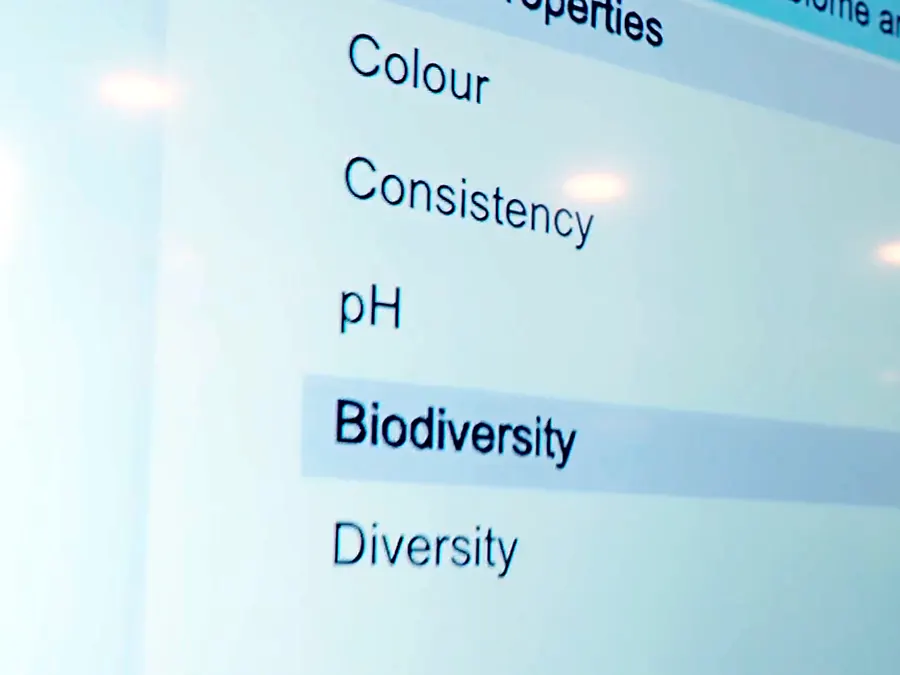
Medical and digestive history
A review of symptoms, how they have evolved, previous tests and the reason for the visit.

A consultation to decide whether a microbiome test makes sense for a child or teenager.
Children's microbiome testing in Barcelona
Trillions of bacteria live in the gut; together they are called the microbiome. It helps digest food, supports the immune system and constantly exchanges signals with the brain. This link is called the gut-brain axis.
The gut and the brain are linked by the vagus nerve, and signals travel both ways. That is why worry shows up as a tummy ache, and tummy pain changes mood and behaviour.
Gut bacteria produce substances that act on the nervous system. About 90% of the body's serotonin is made in the gut, although it does not reach the brain directly.
Much of the immune system sits in the gut wall. When inflammation there lasts a long time, it affects a child's sleep, energy and wellbeing.
Constipation, loose stools, bloating, pain. Especially important if your child cannot say what hurts.
A very narrow diet, refusing whole food groups, strong reactions to new foods.
Irritability, meltdowns and poor sleep that get worse along with tummy problems.
Frequent antibiotics, tummy problems since babyhood.
Recognise your child? We start with a consultation, not with the test: the doctor decides whether a microbiome test is needed and which one.
Sources: Cryan et al., Physiological Reviews, 2019; McElhanon et al., Pediatrics, 2014; Yap et al., Cell, 2021.
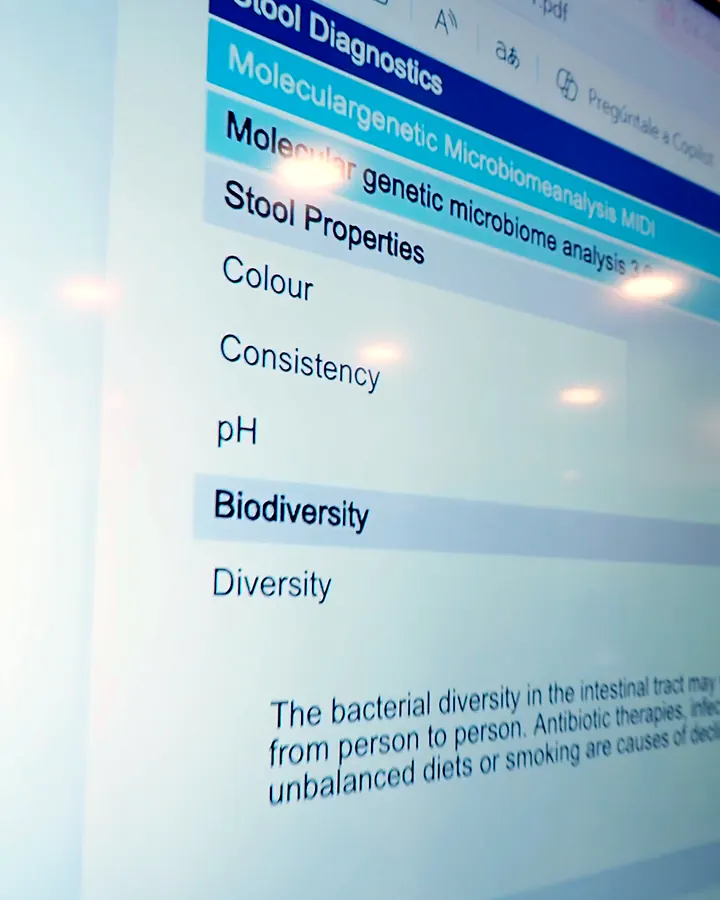
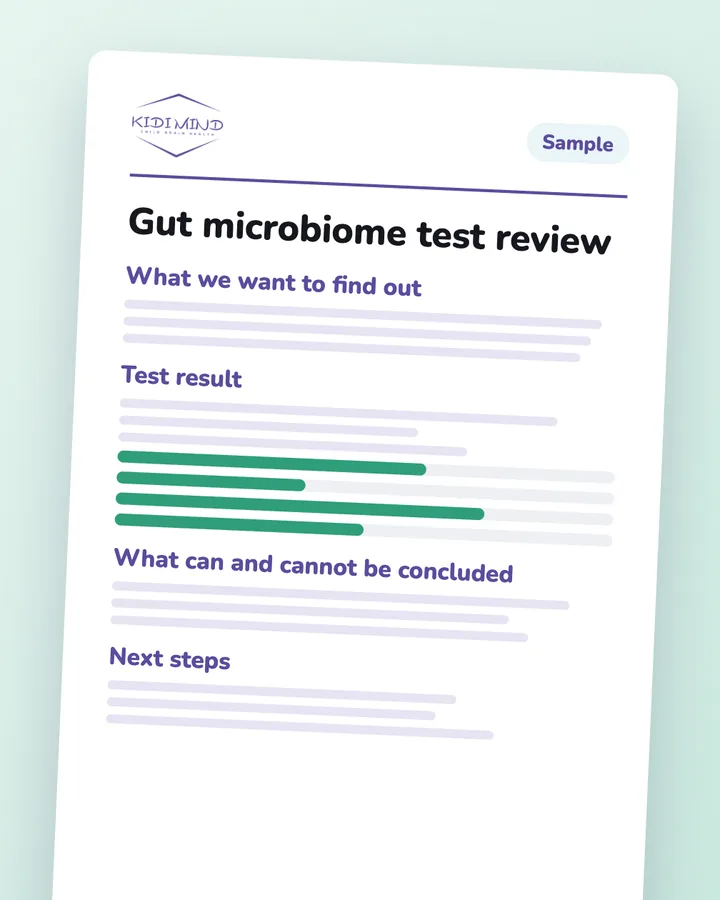
What the test covers and how to interpret it should be explained alongside the medical history and symptoms.
A microbiome test describes features of a community of microorganisms. What it reports depends on the method and the sample; the report needs to be interpreted in context and is not a diagnosis on its own.
Having digestive discomfort or questions about diet doesn't mean you need a microbiome test. First the situation needs to be assessed and we decide what information could be relevant.

Book an initial consultation. In a single visit we'll gather your child's history, outline working hypotheses and explain which pathway fits your child.
What we use depends on the question and on the child's needs. Not every tool is used in every case.
A review of symptoms, how they have evolved, previous tests and the reason for the visit.

Information on the usual diet and current restrictions.
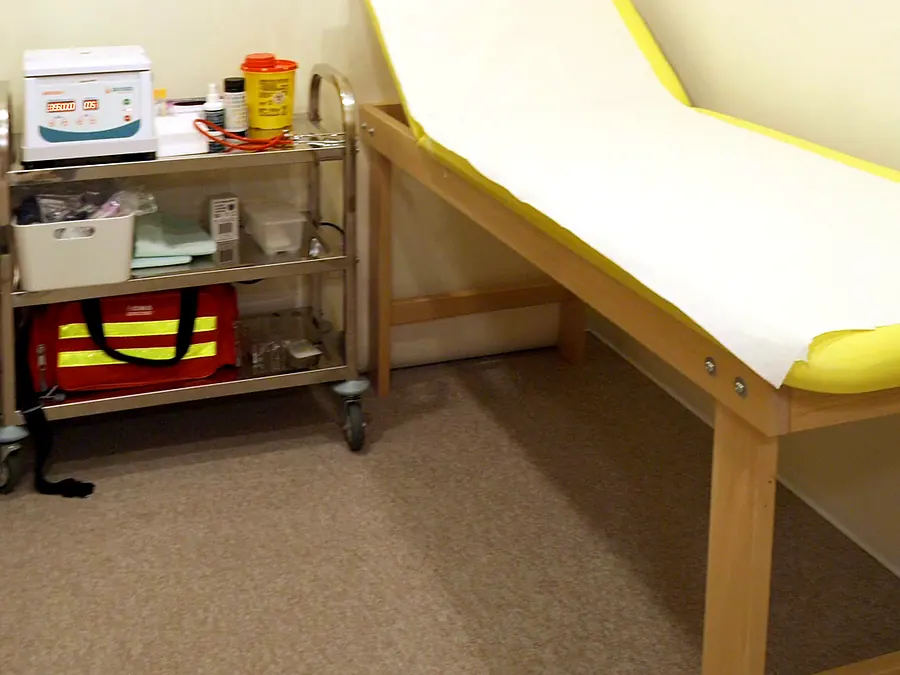
A record of medication and supplements relevant to the assessment.
We explain which test is proposed, its purpose and its limits.
The proposal is tailored to each case. The team will explain which steps it recommends and what each one includes.
Clear information and a next step agreed with the team.
The plan is reviewed according to your child's needs and response.
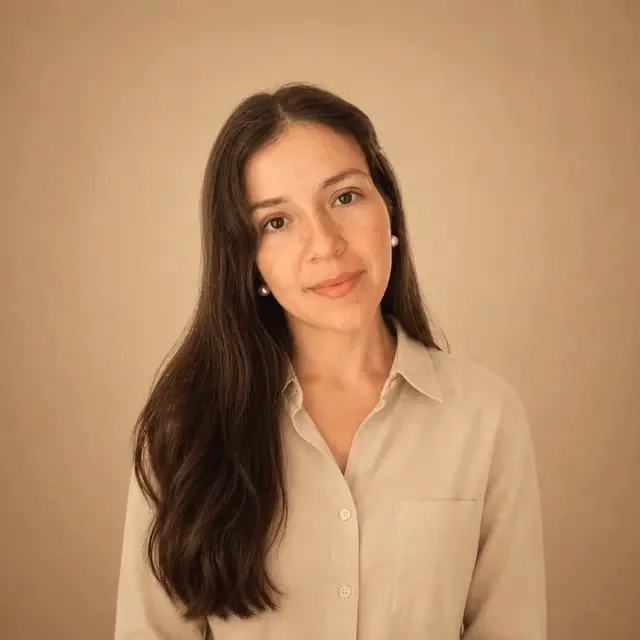
Dietitian
Expert in selective eating. Experience designing diets based on metabolism and microbiome analysis / experience working with individuals with autism and food selectivity.
Professional registration number: CAT002684
The rest of the team
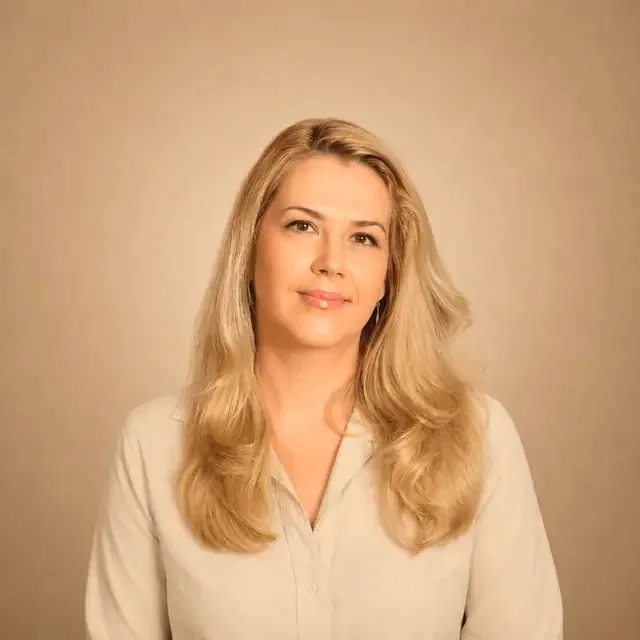
Medical Coordinator
Physician (MD), pediatric neurologist, epileptologist, specialist in rare genetic and metabolic disorders. PhD research fellow at Sant Joan de Déu Hospital, Barcelona, Spain.
Professional registration number: 51436
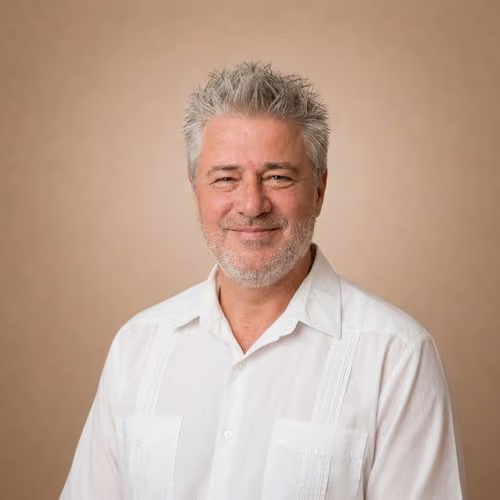
Advisor
Psychologist and Therapist for Adults, Couples, and Families Master's Degree in General Health Psychology, Master's Degree in Clinical and Health Psychology, and Postgraduate Training in Clinical Psychopathology. Specialist in Emergency Psychology and family interventions in high-complexity cases.
Professional Registration Number (COPCA): 17130
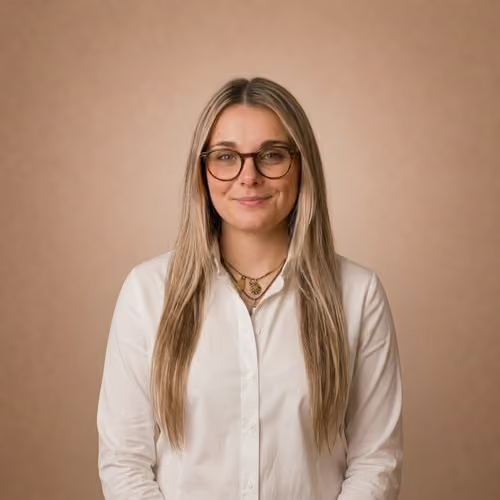
Sensory Integration Specialist / Occupational Therapist
My work consists of helping children develop the skills they need to participate in their daily lives with greater autonomy and wellbeing: playing, learning, building relationships, getting dressed, eating, resting, and enjoying their routines.
Professional registration number: 46201265

Neuropsychologist
With a warm, empathetic, and evidence-based approach, I support children, adolescents, and families through assessment and intervention processes, identifying both their needs and their strengths. My goal is to make daily life more manageable for neurodivergent individuals and their surroundings, promoting their wellbeing and quality of life.
Professional registration number: 30488
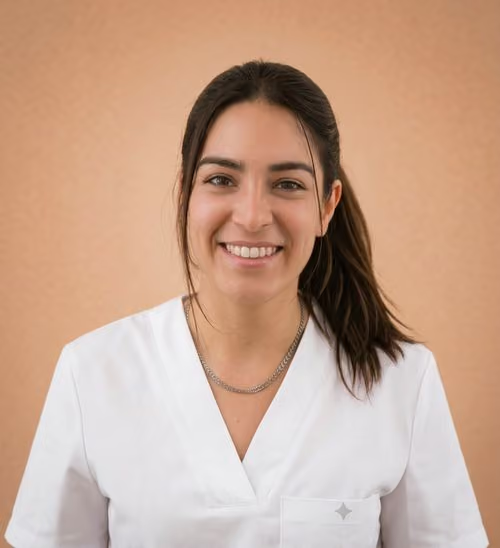
Pediatric Physiotherapist
Passionate about child neurodevelopment and supporting every child through their growth journey. I work with warmth, play, and movement, respecting each child's pace and needs, as well as those of their family.
Professional registration number: 18040
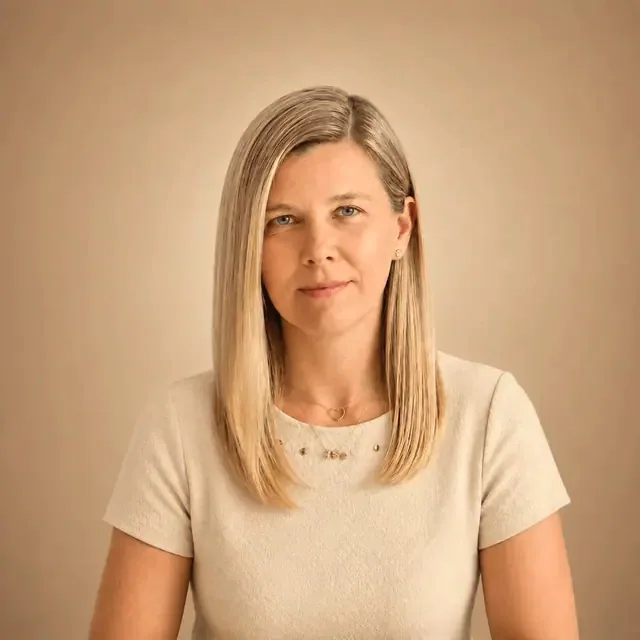
Clinical Coordinator
Clinical psychologist, specialist in pediatric intervention with experience working with children with ADHD, ASD, and learning difficulties. Focus areas: neurodevelopment, emotional regulation, and family support.
Professional Registration Number 36681
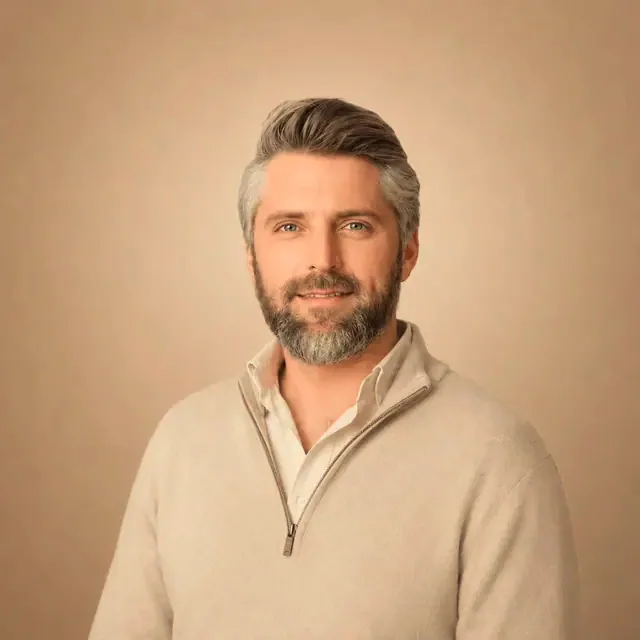
Chief Executive Officer (CEO)
International expert on the development of cognitive and behavioral skills of the human brain.
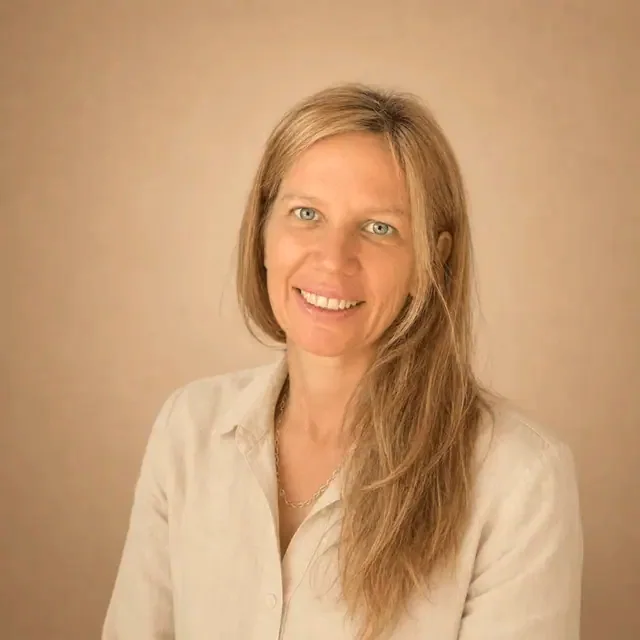
Pediatrician specialising in child mental health
Pediatrician and neonatologist, trained in child and adolescent neuropsychiatry, specializing in neurodevelopmental disorders (autism spectrum disorders, ADHD, anxiety disorders, and emotional regulation difficulties in teenagers).
Professional registration number: 63497
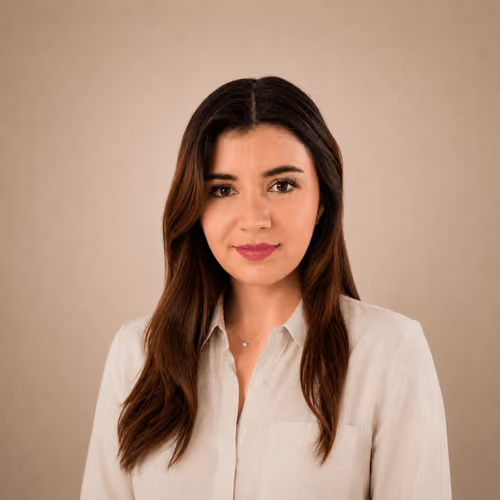
Neurofeedback and Brain Mapping Technician
Expert in neuropsychological diagnostics, cognitive rehabilitation, and neuromodulation with over 10 years of experience. Board-certified neurofeedback practitioner (BCN, BCIA). EMDR therapist. Master's student in Neurosciences.
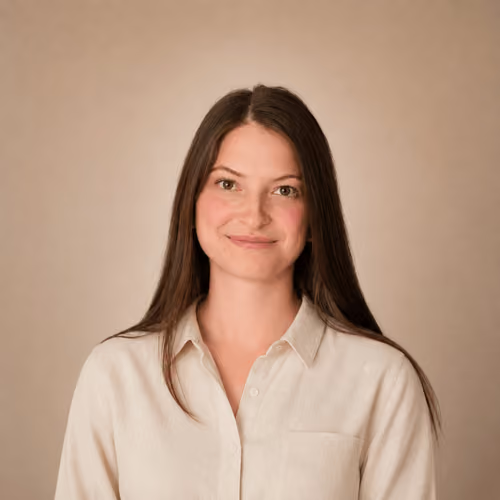
Pediatric Massage Therapist
Specialist in motor development for children from birth to 12 years. Over 11 years of clinical experience. Focus areas: motor developmental delays, movement disorders, and integration of primitive reflexes.
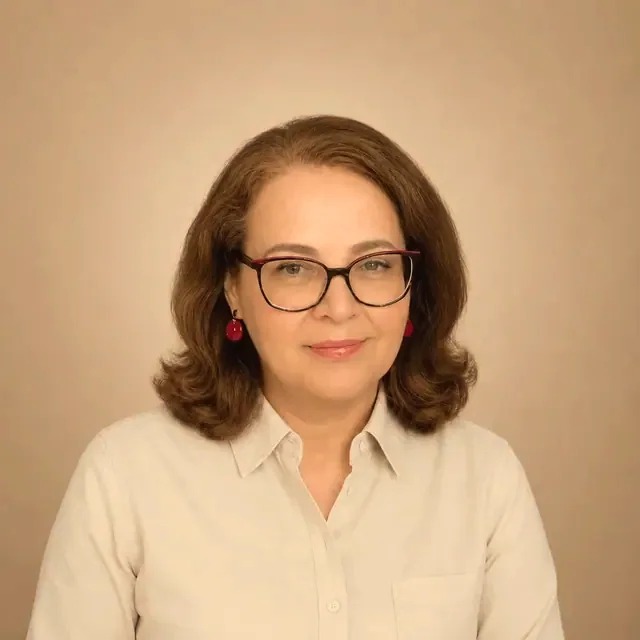
Pediatric Physician
Pediatrician with more than 35 years of experience in neonatology and intensive care. Focus areas: pediatric neurology, neonatology, and ultrasound diagnostics.
Professional registration number: 61652
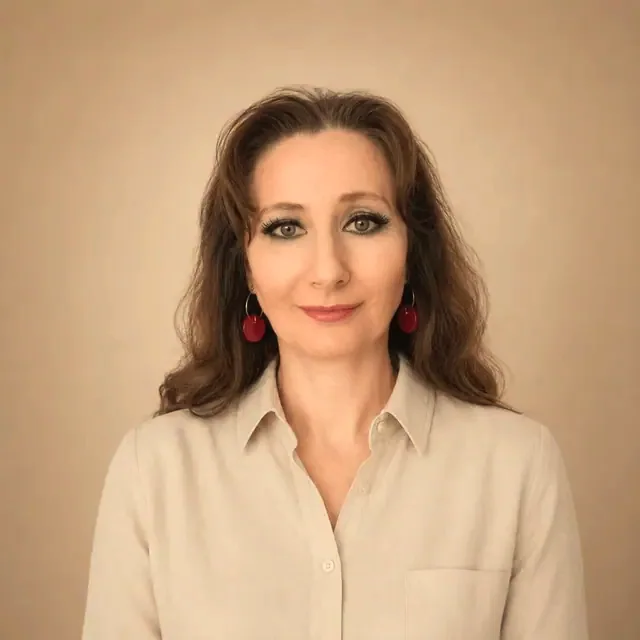
Child and Adolescent Psychologist
Clinical psychologist with over 24 years of practice, member of the Official College of Psychologists of Catalonia. Focus areas: psychotherapy for children and adolescents, anxiety disorders, trauma, ADHD, adjustment disorders, and family work. Integrative approach: CBT, ACT, trauma therapy, systemic family therapy.
Professional registration number: 29589
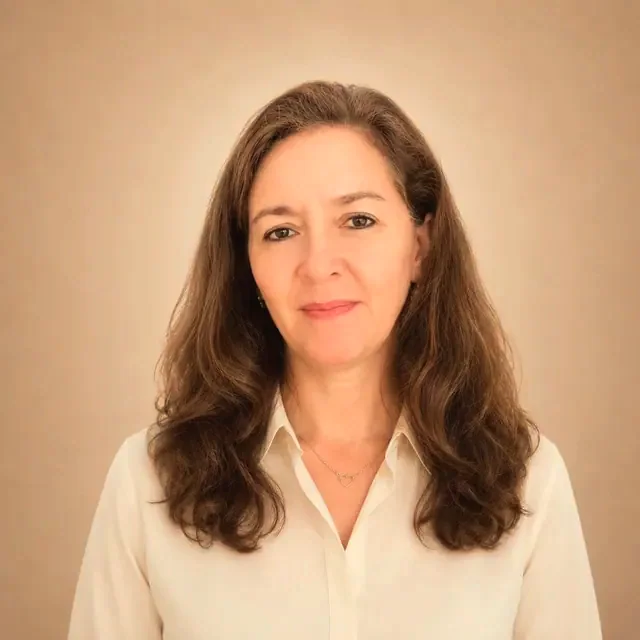
Physiotherapist
Over 20 years of experience in pediatric rehabilitation and special education. Specializes in enhancing mobility, fostering independence, and promoting inclusion for children with special needs.
Professional registration number: 18405
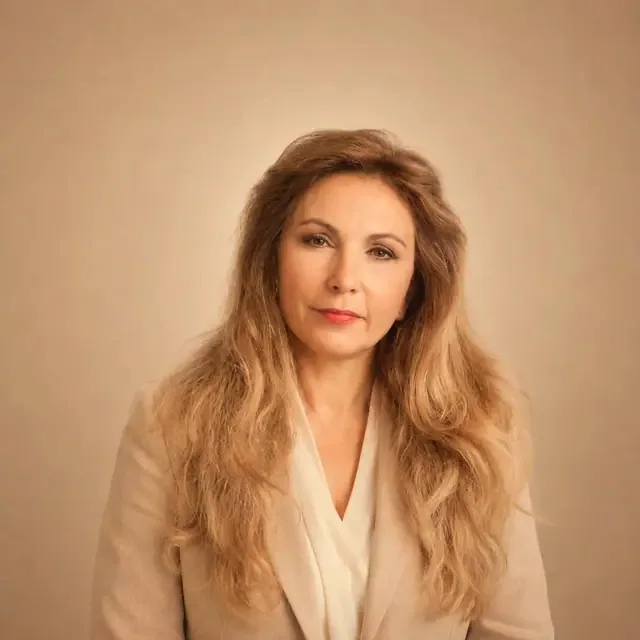
Psychiatrist
A psychotherapist with experience in the leading addiction treatment center in Europe. Specializes in the treatment of patients suffering from substance and behavioral addictions
Professional registration number: 49839

Licensed psychologist with a Master's degree in Forensic Psychology
Specializing in expert witness reports in civil, criminal, and family law contexts. He has over ten years of experience in clinical and socio-community psychology, primarily working with children and families in vulnerable situations. His approach integrates a systemic and psychodynamic perspective with cognitive-behavioral techniques. He works with children, adolescents, and adults, providing family support and individual psychotherapy.
Professional registration number: 32258
Pediatric neurologist
Languages: Spanish, English. Patients: 0–18 years.
Professional registration number: 66979

Speech therapist
Languages: Spanish, English. Patients: 3–18 years.
Professional registration number: 5343
Neuropsychologist
Professional registration number: 29591
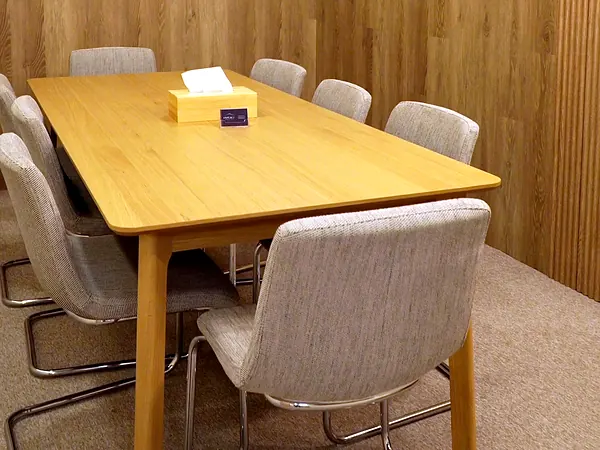
A neurologist, psychologist, speech therapist, rehabilitation specialist, nutritionist, and geneticist hold a case conference for every child. The care plan is developed collaboratively.
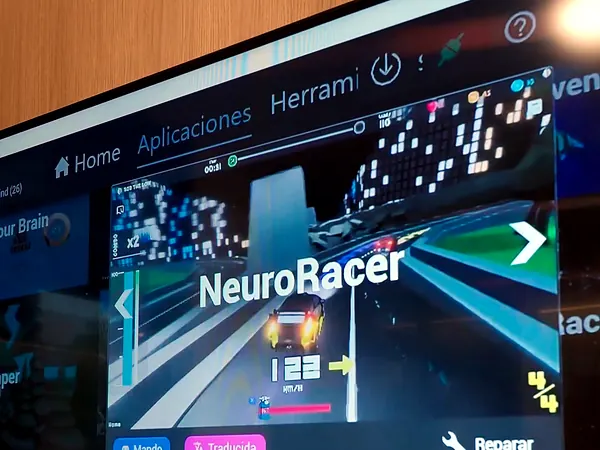
Every method and technology has been tested and is used in real clinical practice. No pseudoscience.
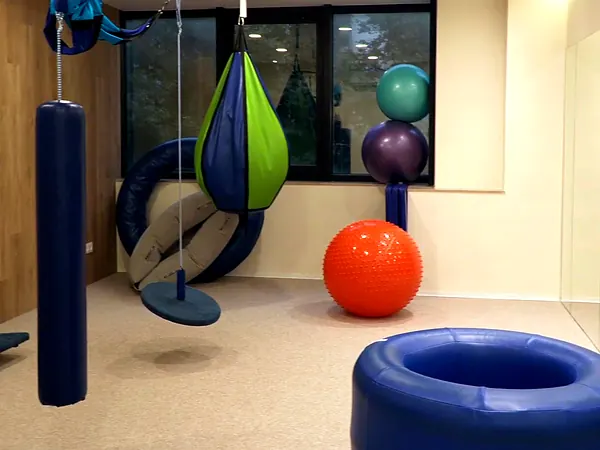
We combine genetics, metabolism, QEEG, neurofeedback, VR, and classical therapy into one plan for one child.
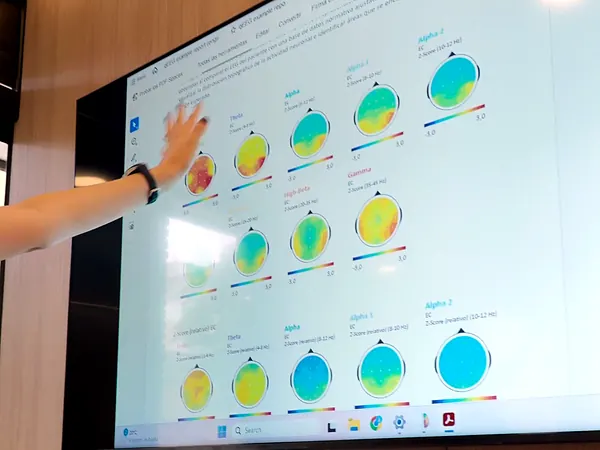
Your child's progress is tracked using specific scales and metrics. Every 8–12 weeks - goals are re-evaluated. You see what's improving and what needs plan adjustment.
Book an initial consultation at KidiMind. In one visit, the team will gather the medical history, discuss what might be going on and tell you whether a microbiome test makes sense, with no unnecessary tests, no guesswork.
Answers to a few common questions before the first visit.
It analyses features of a community of microorganisms. What it reports depends on the sample and the method, so it's worth knowing the scope of the specific test.
No. Tests aimed at infections or other clinical suspicions may measure different things. The team should explain which test it proposes and why.
No, it shouldn't be presented as a universal test. Whether it makes sense depends on the clinical question and the information it could provide.
No, it should not be used to make those diagnoses. A microbiome result does not prove the cause of neurodevelopmental difficulties.
A report alone can't define an ideal diet. Any recommendation has to consider nutritional needs, history and the clinical situation.
The type of sample and how it is collected depend on the confirmed test. Ask the centre for the laboratory's instructions before preparing it. The turnaround time depends on the laboratory and the test requested; the centre will confirm it before the test is done.
Don't change treatments on your own. Tell the team what your child takes and check the specific instructions for the test.
Ask for a quote that separates the consultation, the analysis, the interpretation and follow-up. What is included should be clear before you agree to the test. Before booking it, confirm who will interpret it, which consultation is included and how the next steps will be communicated.