
Intensity and length
- a meltdown lasts longer than 25 minutes
- your child cannot calm down
- meltdowns are unpredictable, "out of nowhere"
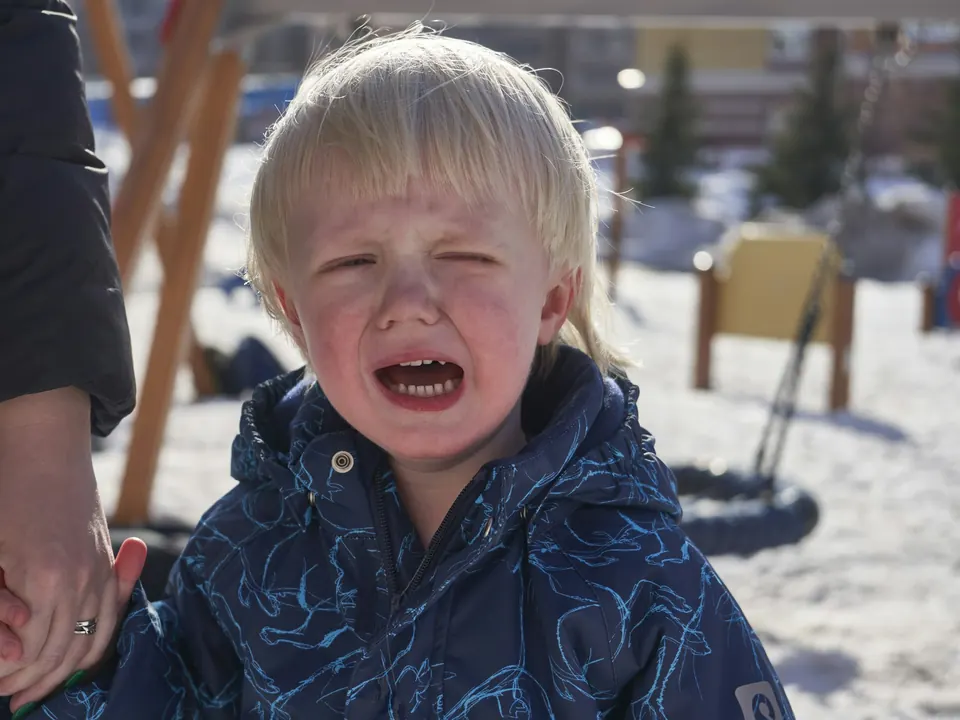
Tantrums are a normal part of toddler development.
If meltdowns are frequent, long, aggressive or don't ease with age, it is worth looking into them with a psychologist.
Tantrums are a normal part of development. They happen most between ages 1 and 3 and become less frequent after 3, although they don't go away all at once.
They are a young child's way of expressing feelings they cannot yet manage: the ability to regulate emotions is still maturing.
From 18 months to 3 years, a tantrum usually lasts 2 to 15 minutes and may happen every day; at 3–5 years it rarely lasts more than 15 minutes and may not happen daily.
In a study of almost 1,500 preschoolers, 84% had tantrums sometimes and only 9% had them every day.

Does this sound like your child?


When to get urgent help. If your child is injuring themselves or is a danger to others during a meltdown, make everyone safe and call 112.
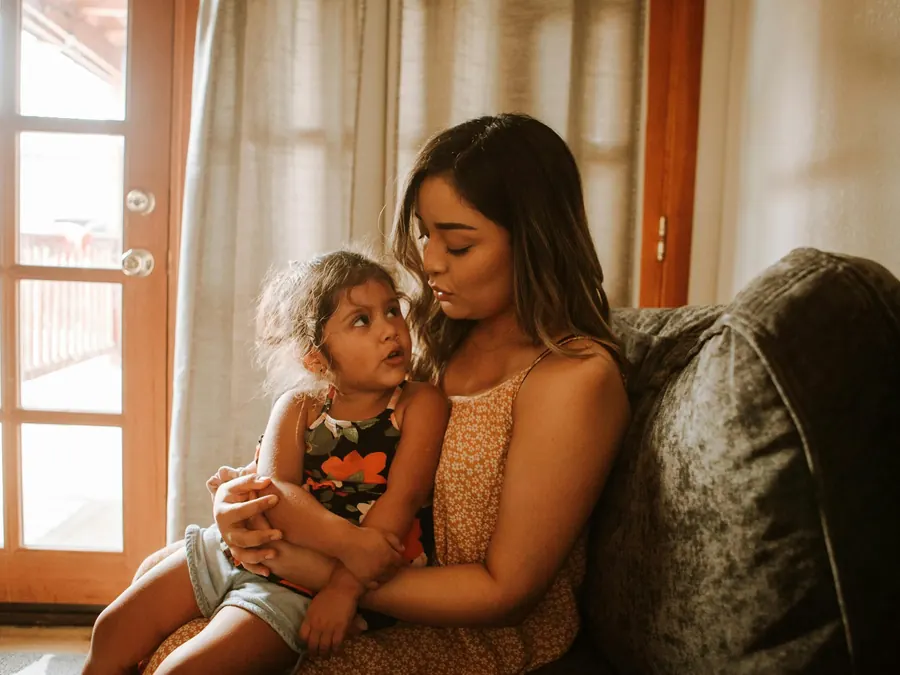
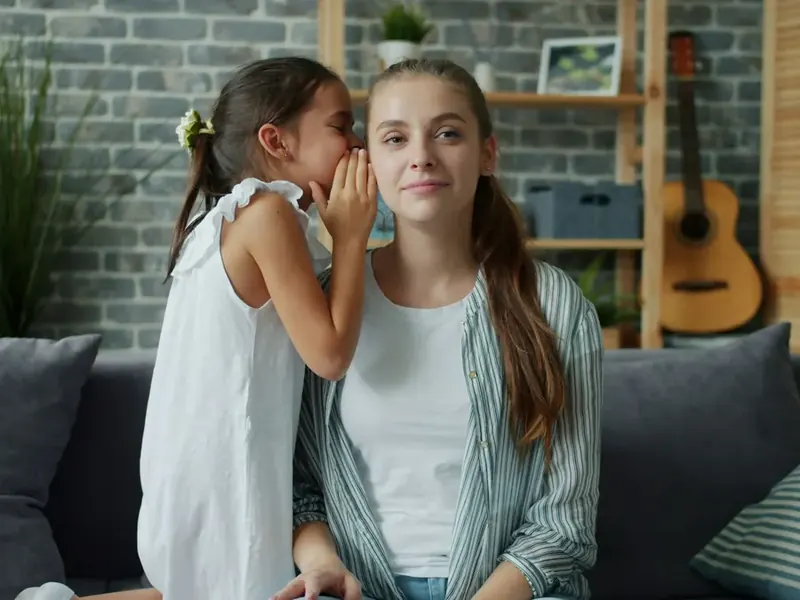
Book a visit: we will work out what is behind them and give you a plan for the hard moments.
The neurologist says one thing, the speech therapist another, the psychologist a third. You're taking your child to five different locations, rewriting reports, and coordinating specialists yourself. Yet there's still no holistic picture or unified plan - and when it comes to a child's brain development, time is everything.
One center. One team. One plan. Our specialists review every case together- you receive not five different opinions, but one unified conclusion.
How we workWe look for the cause, not just the symptom
Two children who behave alike can have different causes, and often there are several at once. So we look beyond psychology: we check sleep, metabolism, gut health, sensory processing and brain function, and build a plan for your child.
What you can see
What may lie beneath
A child who cannot explain what they want, or cannot switch activities, finds it easier to scream.
How we checkSpeech therapist, neuropsychologist, comprehensive assessment
Noise, crowds, clothing labels or touch overload the child, who reacts the only way they can.
How we checkOccupational therapy assessment, sensory profile
Too little or poor sleep often goes together with anxiety, irritability and outbursts, and can make them worse.
How we checkReview of sleep and routine; referral to a doctor if there is snoring or pauses in breathing
When rules keep changing and shouting works, the behaviour sticks. It is not the parents’ fault: new ways to respond can be learned.
How we checkParent consultation, going through real situations
Iron, vitamin D, omega-3, amino acids, thyroid. Low iron is found more often in children with emotional difficulties: it is a link, not a proven cause.
How we checkBlood tests, omega profile, amino acids and organic acids
Tummy aches, constipation, picky eating. The role of the microbiome in children is still being studied, so we check it when there are complaints.
How we checkMicrobiome test, nutritionist visit
An unusual test result is not always the cause. Whether it is related to your child’s condition is for the doctor to decide. Tests are ordered when there is a reason, not for everyone.
The goal is to understand what lies behind it and what help your child needs, not just to give a label.
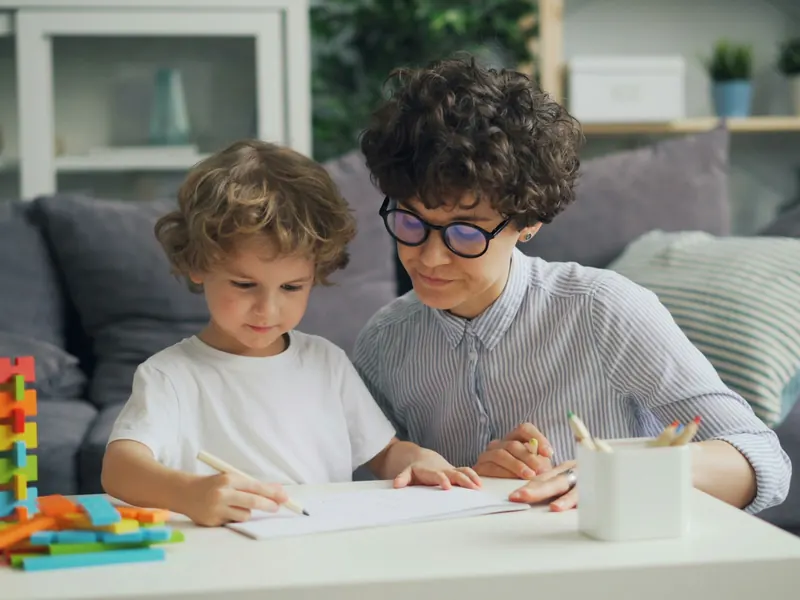
A psychologist or a mental health paediatrician talks with you and your child: when it started, where it shows up and what you have already tried.
A clinical interview and standard questionnaires for parents and, if needed, for school. Teenagers are always also seen on their own.
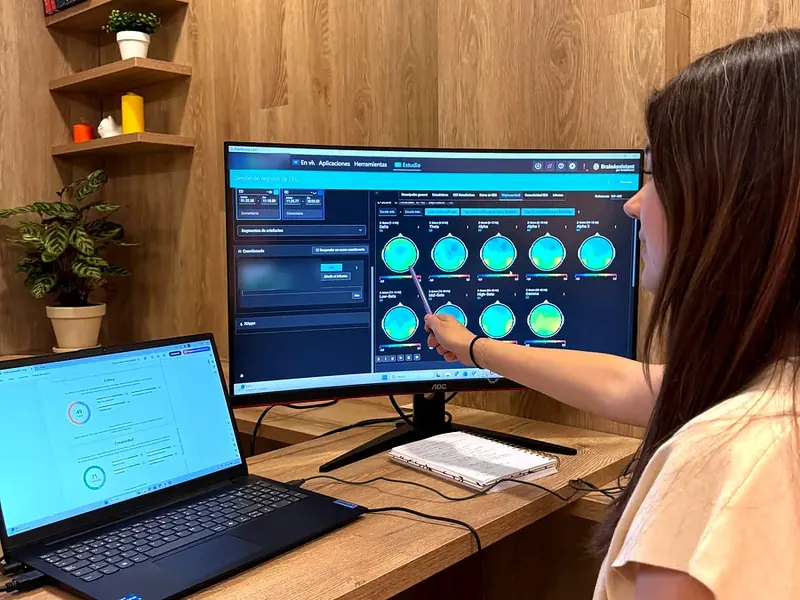
If indicated: a neuropsychologist (attention, learning), ruling out co-occurring ADHD or autism, sleep; if needed, lab tests and brain mapping (qEEG).
You get a clear plan: who works with your child, how often sessions are and how we check that it is helping. Review every 8–12 weeks.
Chosen for the cause and your child’s age. The core is methods with proven benefit; the rest is added when indicated, not instead.
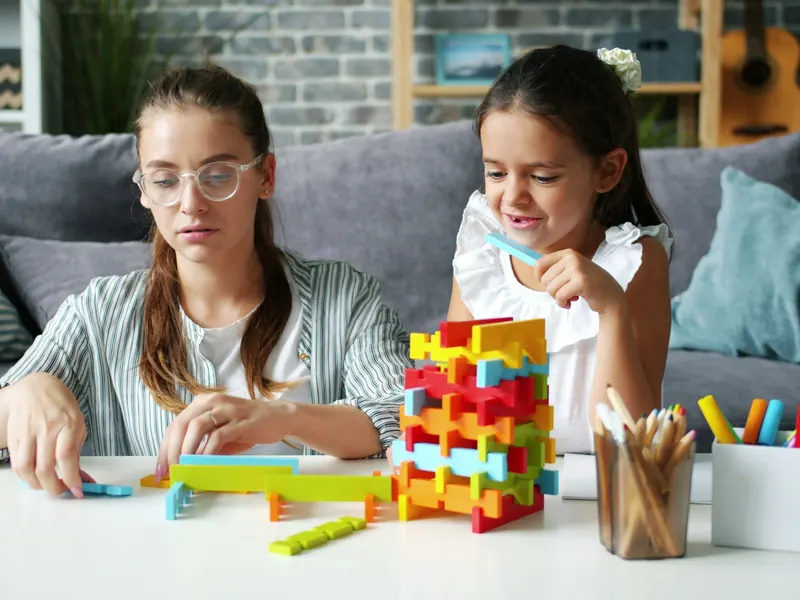
Child psychologist: work with emotions and, for younger children, play therapy
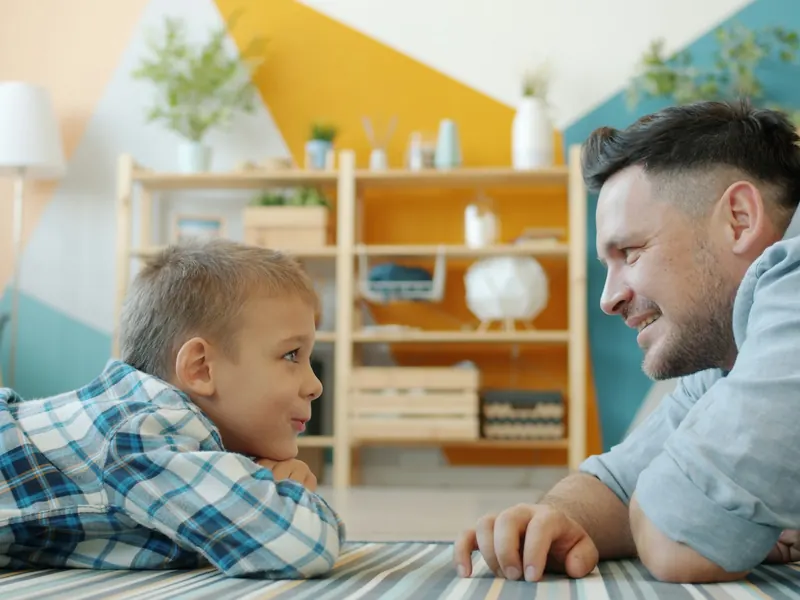
Parent counselling: what to do during a meltdown and how to prevent them
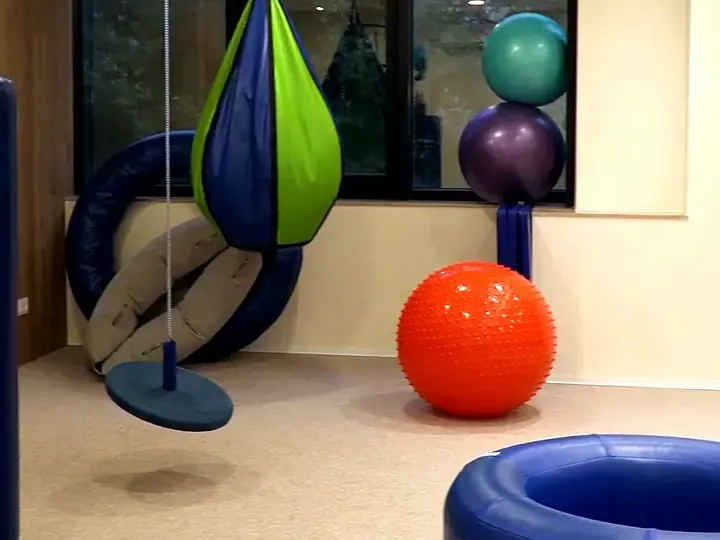
Sensory integration and occupational therapy, if meltdowns are linked to overload from noise or touch

Small groups: social skills, communication, emotional intelligence. There are support groups for parents too.
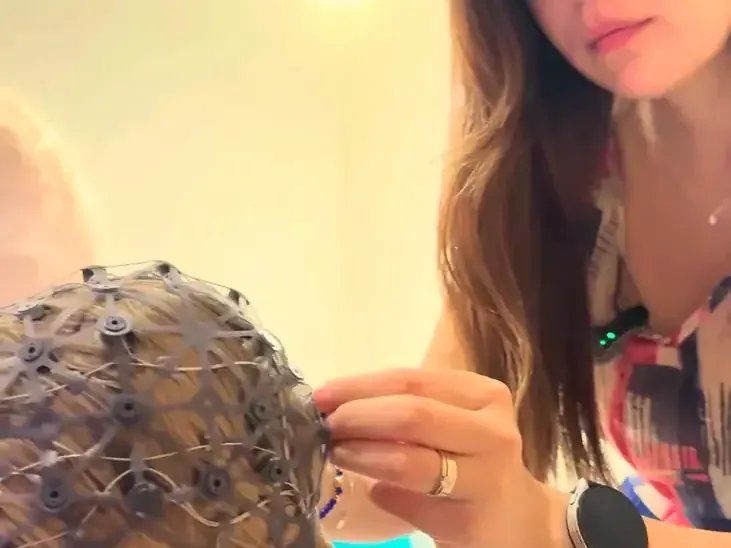
Self-regulation training: your child sees their brain signal on a screen and learns to steer it. After brain mapping, alongside psychotherapy.

If tests show a deficiency, the doctor and nutritionist choose iron, vitamin D, minerals, amino acids or omega-3. It does not replace psychotherapy.

For tummy complaints or picky eating: a microbiome test and a nutrition plan with a nutritionist.

For children who find it hard to talk about feelings: drawing, clay and music help to express and name them.
Neuropsychologist or a comprehensive assessment, if there are questions about development, attention or speech
We will call during working hours to find a specialist, a day and a language.
We answer in English, Spanish, Catalan or Russian
or message us on WhatsApp
Message us on WhatsAppAfter the visit and assessment you leave with documents and a clear next step, not generalities.
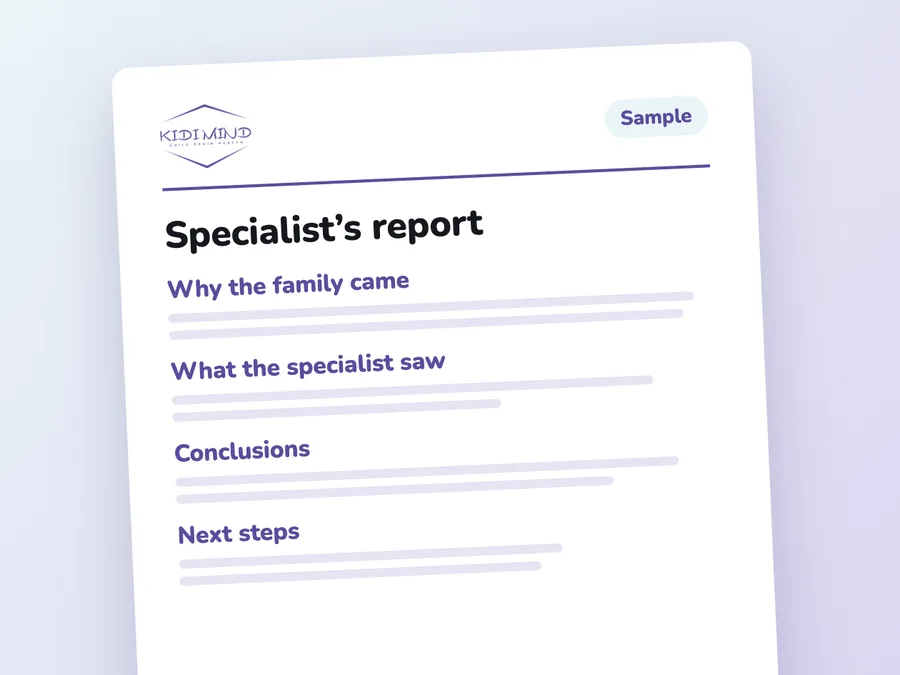
What we saw, which causes were found or ruled out, and what it means for your child.
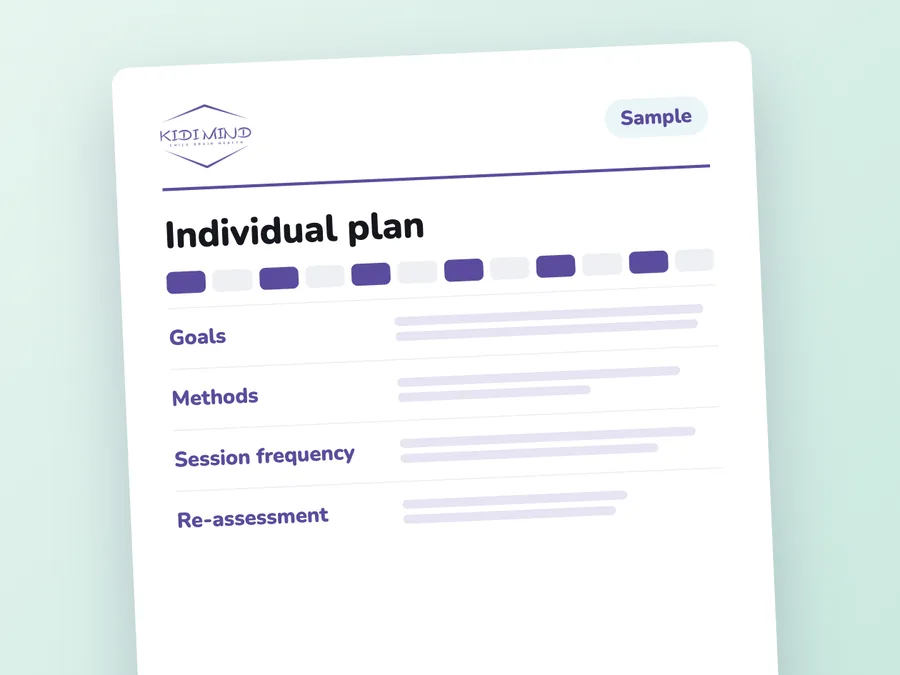
Who works with your child, which methods, how often, and goals for the coming weeks.
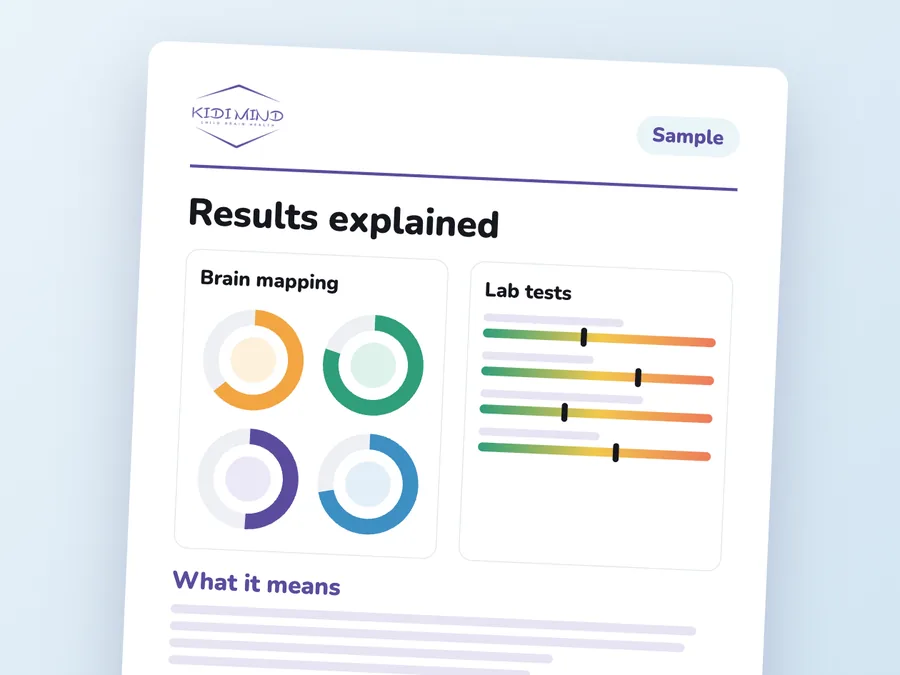
If tests or brain mapping were ordered: the results and a plain-language explanation.
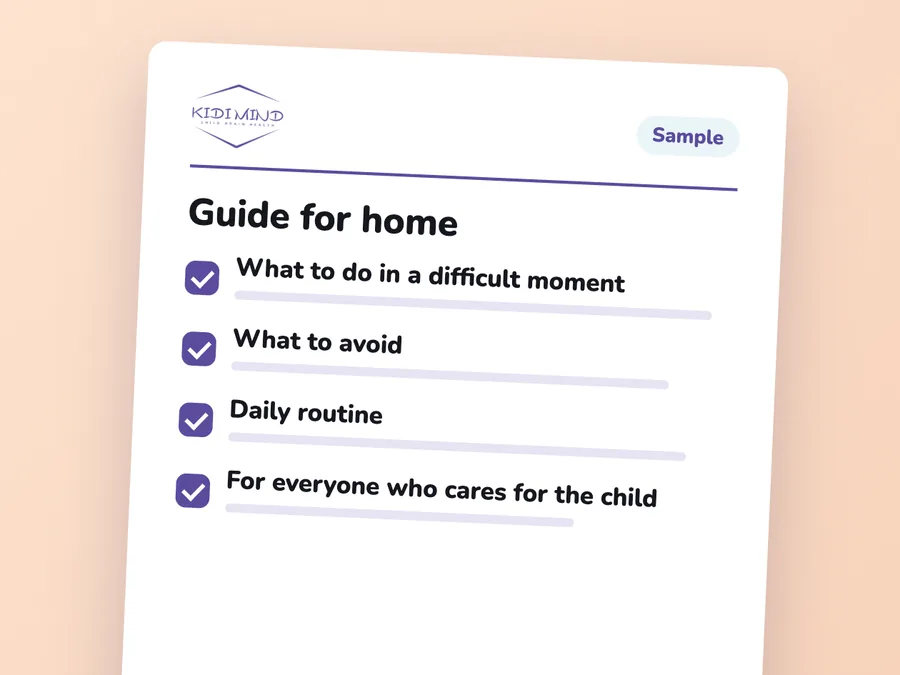
What to do and what to avoid in a hard moment. For parents, grandparents and carers.
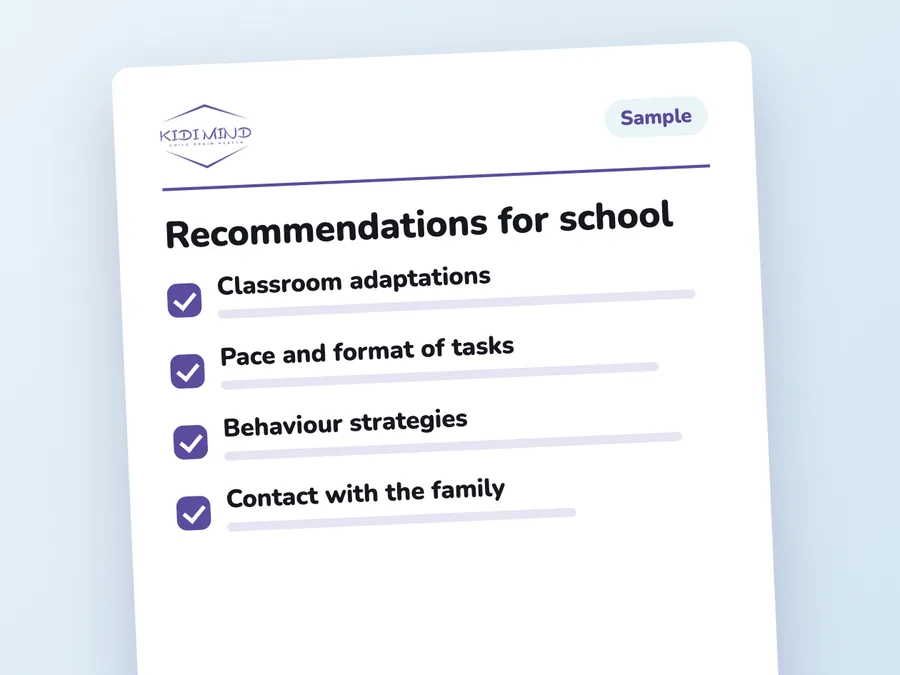
What the teacher can do to make learning easier. Shared with your consent.
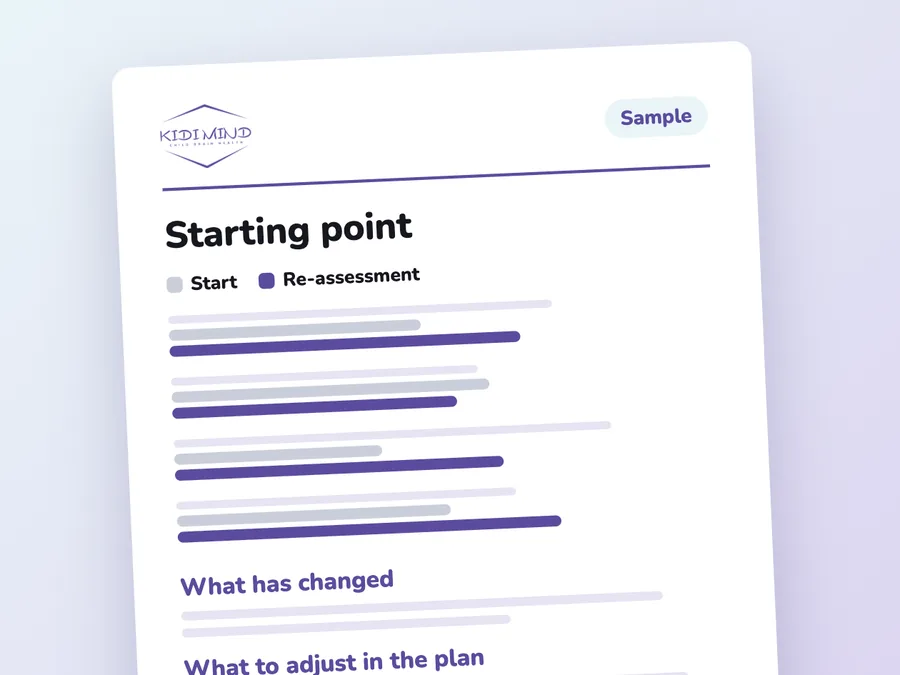
Scales at the start. After 8 to 12 weeks we repeat and compare: you see what is changing and what to adjust.
 01
A neurologist, psychologist, speech therapist, rehabilitation specialist, nutritionist, and geneticist hold a case conference for every child. The care plan is developed collaboratively.
02We combine genetics, metabolism, QEEG, neurofeedback, VR, and classical therapy into one plan for one child.
03Every method and technology is tested and used in real clinical practice. No pseudoscience.
Paediatrician - mental health (1st visit / follow-up / results)
50' / 30'
160 / 130 /100 €
Neuropsychologist (1st visit / follow-up)
50' / 40'
100 / 75 €
Clinical psychologist / ABA (1st visit / follow-up)
50' / 40'
90 / 75 €
Clinicians who see children in this area at our centre in Barcelona (Eixample). Reports can be written in English.
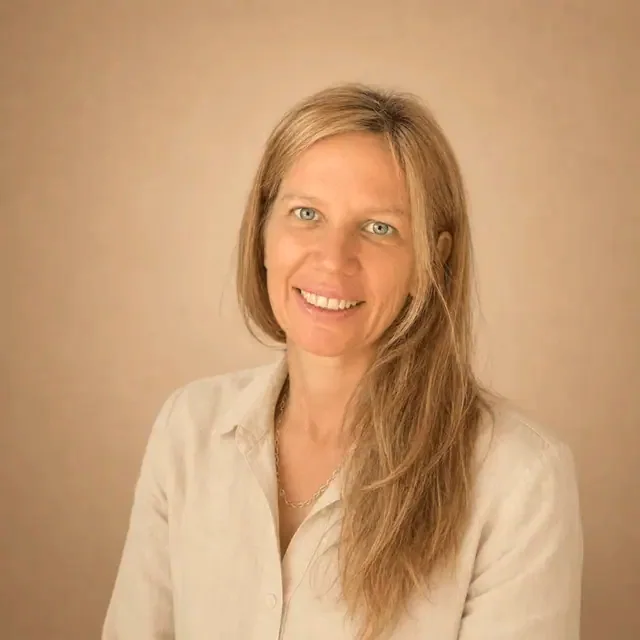
Pediatrician specialising in child mental health
Pediatrician and neonatologist, trained in child and adolescent neuropsychiatry, specializing in neurodevelopmental disorders (autism spectrum disorders, ADHD, anxiety disorders, and emotional regulation difficulties in teenagers).
Languages: Spanish, English
Patients: 0–18 years
Written report in English: yes
Professional registration number: 63497

Neuropsychologist
With a warm, empathetic, and evidence-based approach, I support children, adolescents, and families through assessment and intervention processes, identifying both their needs and their strengths. My goal is to make daily life more manageable for neurodivergent individuals and their surroundings, promoting their wellbeing and quality of life.
Languages: Spanish, Catalan, English
Patients: 3–18 years
Written report in English: yes
Professional registration number: 30488
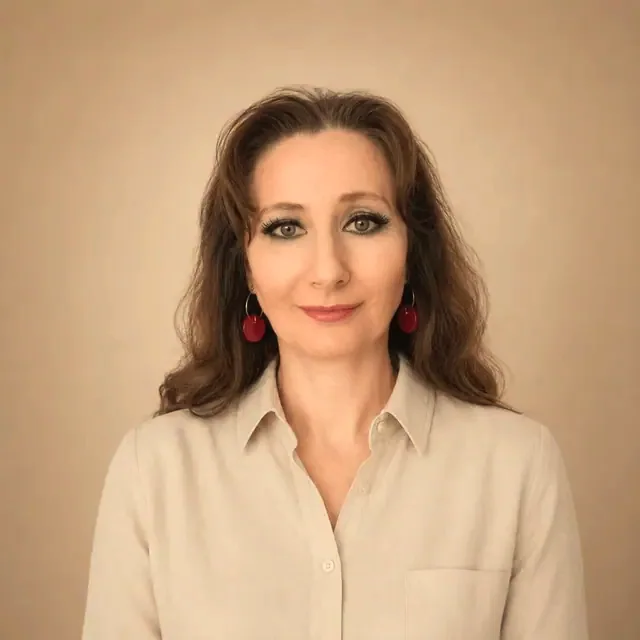
Child and Adolescent Psychologist
Clinical psychologist with over 24 years of practice, member of the Official College of Psychologists of Catalonia. Focus areas: psychotherapy for children and adolescents, anxiety disorders, trauma, ADHD, adjustment disorders, and family work. Integrative approach: CBT, ACT, trauma therapy, systemic family therapy.
Languages: Spanish, Russian, English in some cases
Patients: 3–18 years
Written report in English: yes
Professional registration number: 29589
The rest of the team
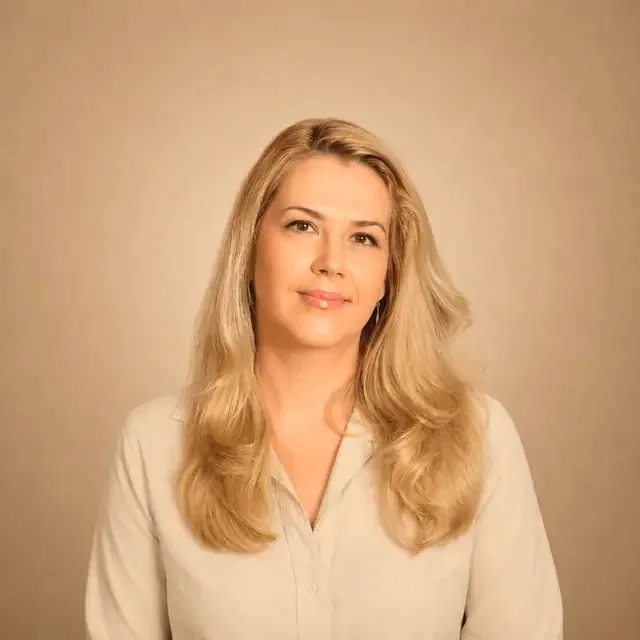
Medical Coordinator
Physician (MD), pediatric neurologist, epileptologist, specialist in rare genetic and metabolic disorders. PhD research fellow at Sant Joan de Déu Hospital, Barcelona, Spain.
Professional registration number: 51436
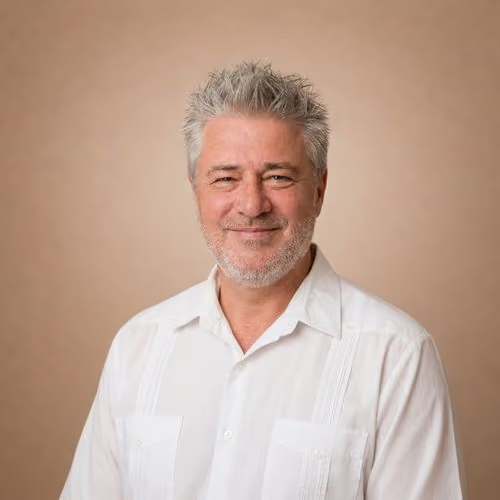
Advisor
Psychologist and Therapist for Adults, Couples, and Families Master's Degree in General Health Psychology, Master's Degree in Clinical and Health Psychology, and Postgraduate Training in Clinical Psychopathology. Specialist in Emergency Psychology and family interventions in high-complexity cases.
Professional Registration Number (COPCA): 17130
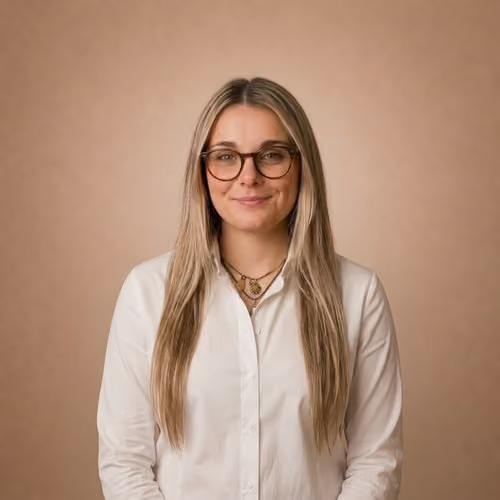
Sensory Integration Specialist / Occupational Therapist
My work consists of helping children develop the skills they need to participate in their daily lives with greater autonomy and wellbeing: playing, learning, building relationships, getting dressed, eating, resting, and enjoying their routines.
Professional registration number: 46201265
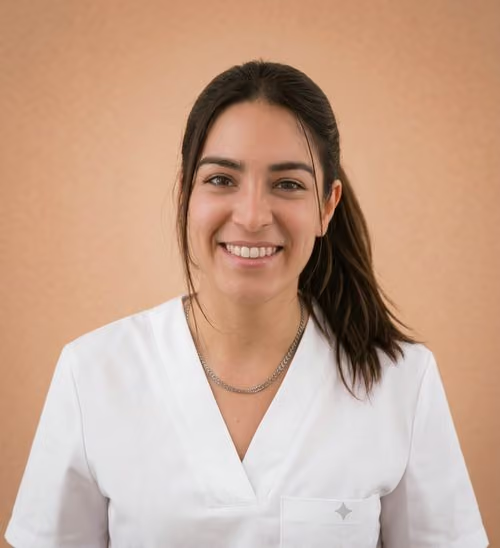
Pediatric Physiotherapist
Passionate about child neurodevelopment and supporting every child through their growth journey. I work with warmth, play, and movement, respecting each child's pace and needs, as well as those of their family.
Professional registration number: 18040
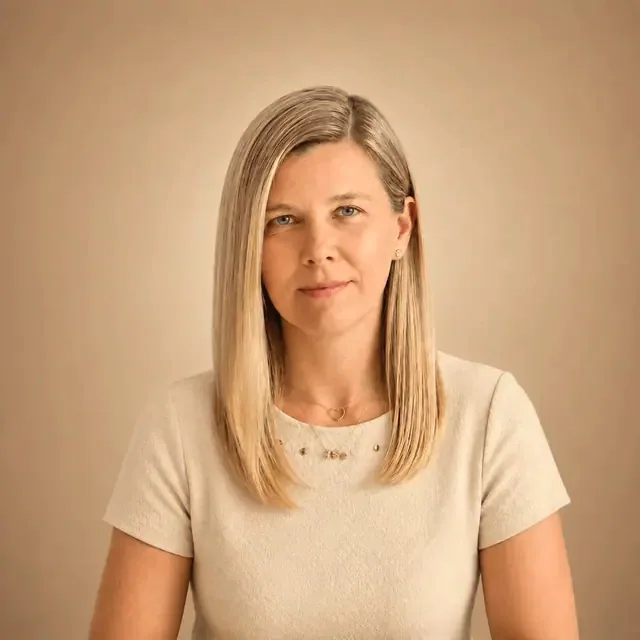
Clinical Coordinator
Clinical psychologist, specialist in pediatric intervention with experience working with children with ADHD, ASD, and learning difficulties. Focus areas: neurodevelopment, emotional regulation, and family support.
Professional Registration Number 36681

Chief Executive Officer (CEO)
International expert on the development of cognitive and behavioral skills of the human brain.

Dietitian
Expert in selective eating. Experience designing diets based on metabolism and microbiome analysis / experience working with individuals with autism and food selectivity.
Professional registration number: CAT002684
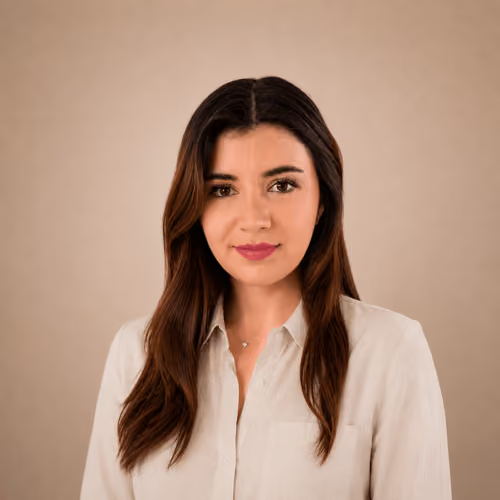
Neurofeedback and Brain Mapping Technician
Expert in neuropsychological diagnostics, cognitive rehabilitation, and neuromodulation with over 10 years of experience. Board-certified neurofeedback practitioner (BCN, BCIA). EMDR therapist. Master's student in Neurosciences.
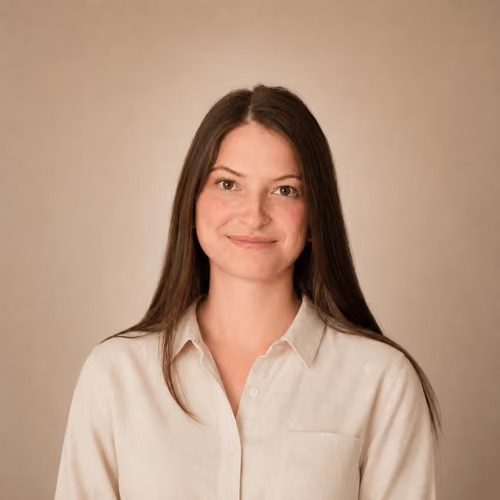
Pediatric Massage Therapist
Specialist in motor development for children from birth to 12 years. Over 11 years of clinical experience. Focus areas: motor developmental delays, movement disorders, and integration of primitive reflexes.
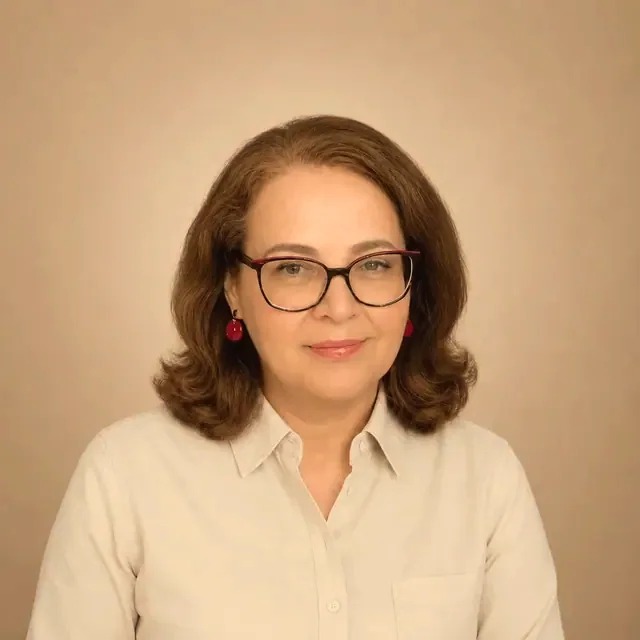
Pediatric Physician
Pediatrician with more than 35 years of experience in neonatology and intensive care. Focus areas: pediatric neurology, neonatology, and ultrasound diagnostics.
Professional registration number: 61652
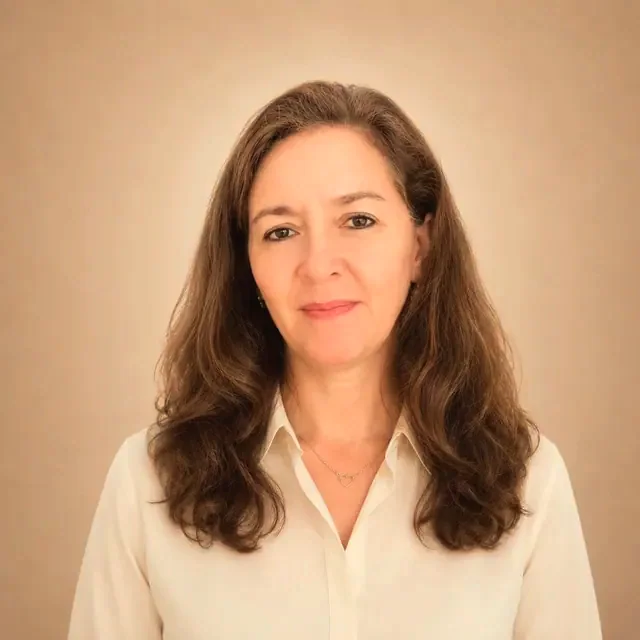
Physiotherapist
Over 20 years of experience in pediatric rehabilitation and special education. Specializes in enhancing mobility, fostering independence, and promoting inclusion for children with special needs.
Professional registration number: 18405
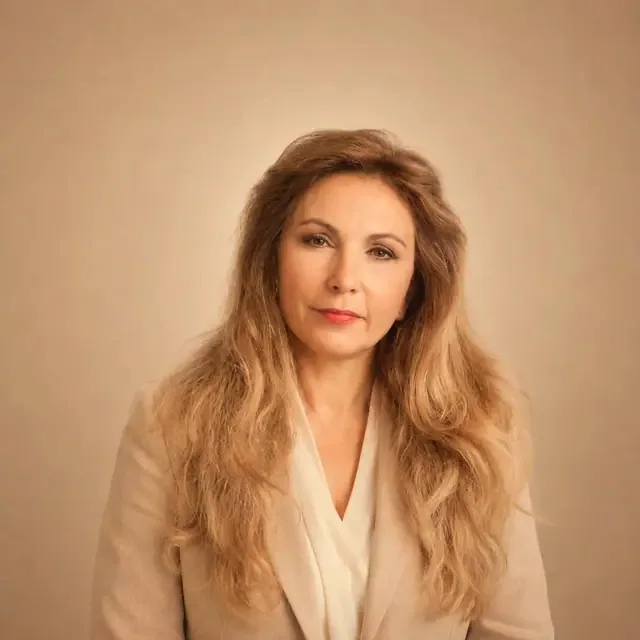
Psychiatrist
A psychotherapist with experience in the leading addiction treatment center in Europe. Specializes in the treatment of patients suffering from substance and behavioral addictions
Professional registration number: 49839

Licensed psychologist with a Master's degree in Forensic Psychology
Specializing in expert witness reports in civil, criminal, and family law contexts. He has over ten years of experience in clinical and socio-community psychology, primarily working with children and families in vulnerable situations. His approach integrates a systemic and psychodynamic perspective with cognitive-behavioral techniques. He works with children, adolescents, and adults, providing family support and individual psychotherapy.
Professional registration number: 32258

Pediatric neurologist
Languages: Spanish, English. Patients: 0–18 years.
Professional registration number: 66979

Speech therapist
Languages: Spanish, English. Patients: 3–18 years.
Professional registration number: 5343

Neuropsychologist
Professional registration number: 29591
Mostly up to 3, less often up to 5. Repeated or severe meltdowns in a school-age child are a reason to seek help.
You can not react to the shouting, but stay close and calm. Hitting, biting and throwing must not be ignored: stop them straight away and calmly.
Yes, if it is not a punishment but a short pause in a quiet place so that everyone can calm down.
Meltdowns often happen where a child feels safe, and when they are tired or hungry. Regular sleep and meals help reduce them.
Spanish, Catalan and English; there is also a psychologist who works in Russian.
The information on this page does not replace a consultation with a specialist. A diagnosis cannot be made from a description, only after an in-person assessment.
If you are not in Barcelona or need a first conversation with a doctor: a consultation by video call.
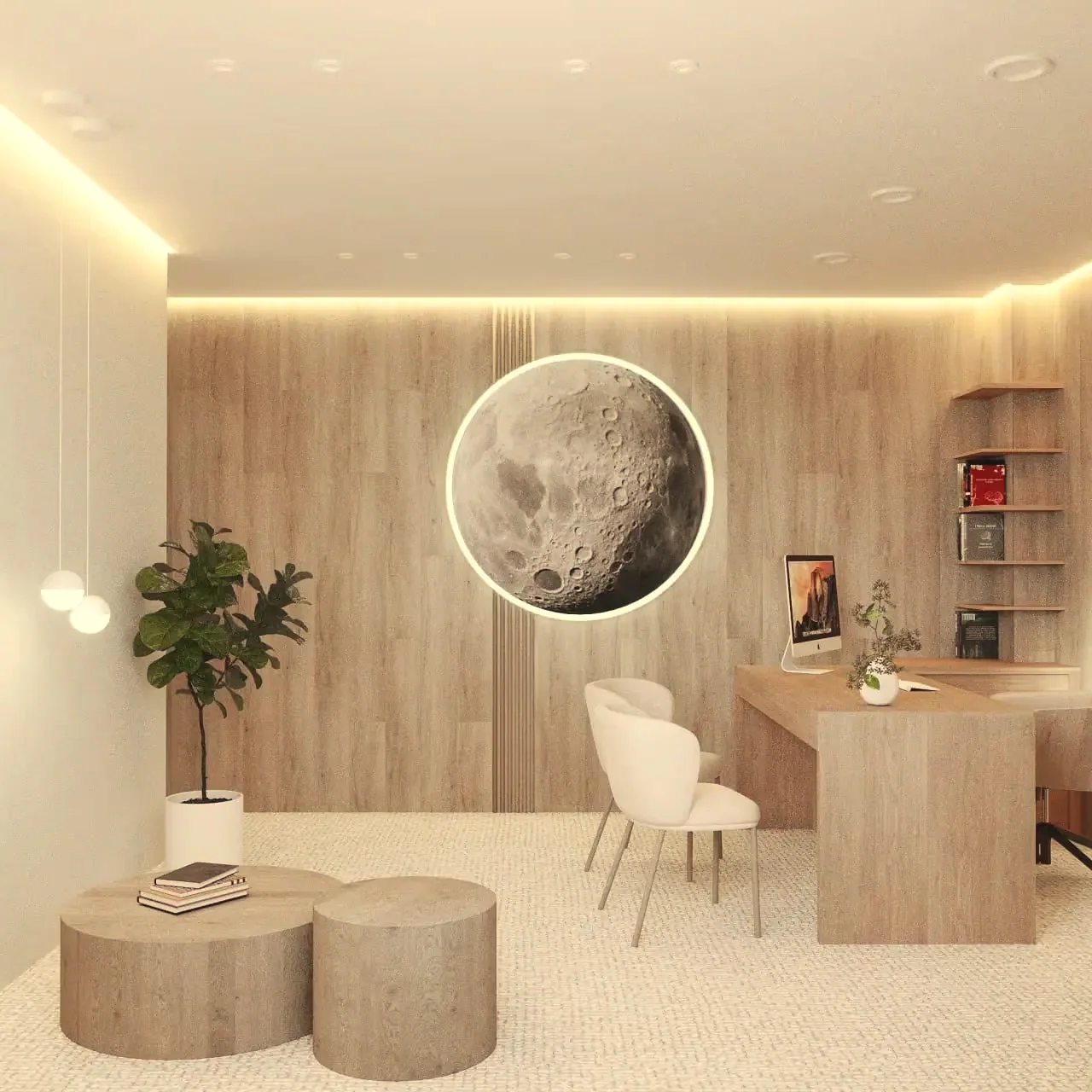
Book a visit about tantrums
Book an initial consultation. In one visit, we'll take a full history, outline hypotheses, and explain which pathway is right for your child.
Google reviews
Real reviews from our Google profile, unedited and in the language they were written in.
This place actually felt warm and somewhat cozy, way different from the previous clinics I've been. The staff is nice too
We had a great experience working with Elena! She's a true professional who genuinely takes the time to understand your problem instead of just going through the motions. Only positive impressions, highly recommend!
Un centro nuevo de rehabilitacion y salud mental infantil, diria que segun concepto que tiene es único en España. no he visto en ningún lugar que hay especialistas de todo tipo y de alto nivel profesional y humano en un centro. Muy recomendable