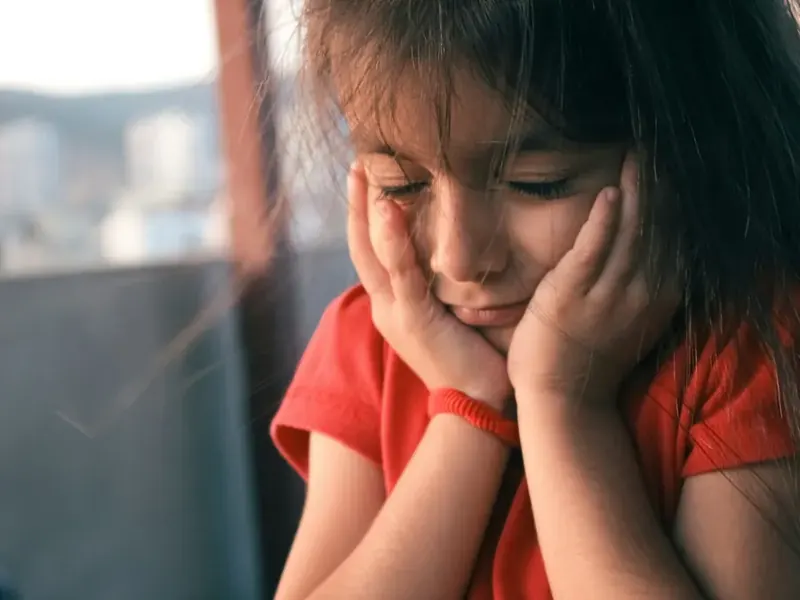
Thoughts
- fear that something bad will happen to the family
- fear of germs, dirt or contamination
- frightening thoughts that "pop into their head"
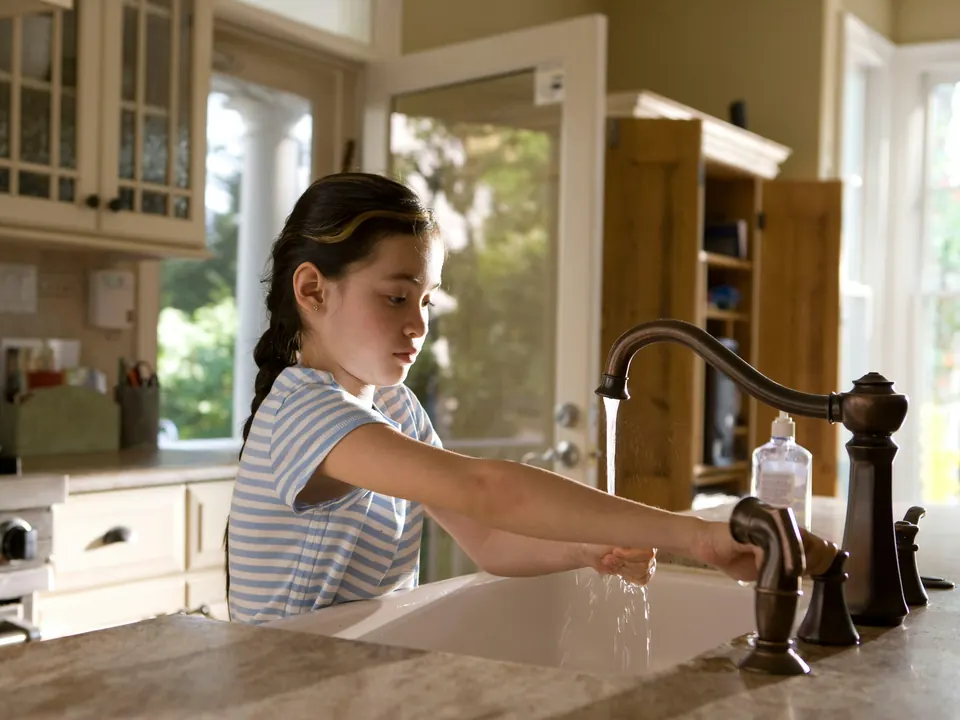
Does your child wash their hands over and over, keep checking doors or can't stop frightening thoughts?
It may be obsessive-compulsive disorder, and it can be treated.
OCD means intrusive thoughts (obsessions) and repetitive actions or rituals (compulsions) that a child performs to reduce anxiety.
It is called a disorder when these thoughts and rituals cause significant anxiety or get in the way of daily life: routines, schoolwork, friendships, relationships.
OCD affects about 1 in 200 children and adolescents and usually begins in adolescence or young adulthood.
Children often feel ashamed of their thoughts and hide them, so it is important to talk about it calmly and gently.
Does this sound like your child?

The sooner you start, the easier it is. Book with a psychologist who works with children’s obsessions.
The neurologist says one thing, the speech therapist another, the psychologist a third. You're taking your child to five different locations, rewriting reports, and coordinating specialists yourself. Yet there's still no holistic picture or unified plan - and when it comes to a child's brain development, time is everything.
One center. One team. One plan. Our specialists review every case together- you receive not five different opinions, but one unified conclusion.
How we workWe look for the cause, not just the symptom
Two children who behave alike can have different causes, and often there are several at once. So we look beyond psychology: we check sleep, metabolism, gut health, sensory processing and brain function, and build a plan for your child.
What you can see
What may lie beneath
A ritual eases anxiety for a moment, and the family helps it along without noticing. That closes the circle.
How we checkTalk with a psychologist, questionnaires, a look at family routines
If obsessions appear suddenly, within days, sometimes after an infection, a doctor comes first.
How we checkPaediatrician or neurologist, tests as ordered
ADHD, autism or immature self-regulation change how a child copes with feelings.
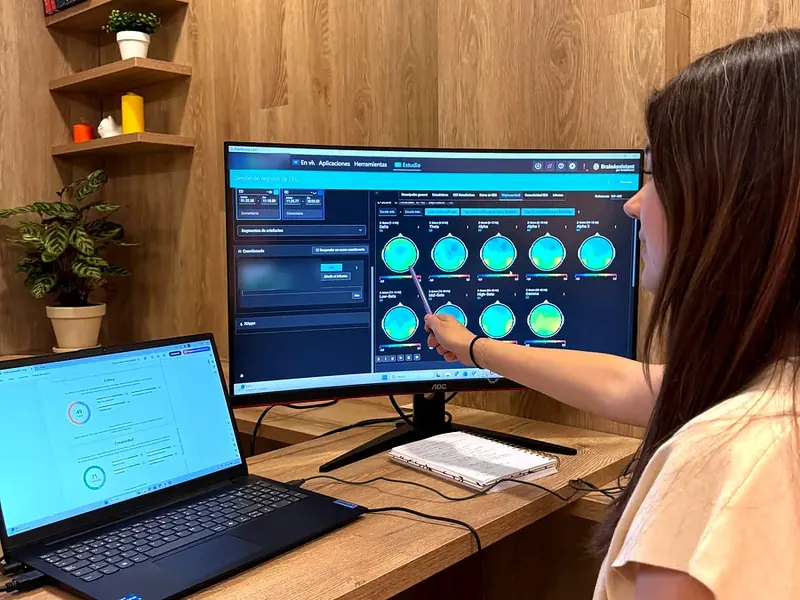
How we checkNeuropsychologist and, when indicated, brain mapping (qEEG)
Too little or poor sleep often goes together with anxiety, irritability and outbursts, and can make them worse.
How we checkReview of sleep and routine; referral to a doctor if there is snoring or pauses in breathing
Iron, vitamin D, omega-3, amino acids, thyroid. Low iron is found more often in children with emotional difficulties: it is a link, not a proven cause.
How we checkBlood tests, omega profile, amino acids and organic acids
Tummy aches, constipation, picky eating. The role of the microbiome in children is still being studied, so we check it when there are complaints.
How we checkMicrobiome test, nutritionist visit
An unusual test result is not always the cause. Whether it is related to your child’s condition is for the doctor to decide. Tests are ordered when there is a reason, not for everyone.
The goal is to understand what lies behind it and what help your child needs, not just to give a label.
A psychologist or a mental health paediatrician talks with you and your child: when it started, where it shows up and what you have already tried.
A clinical interview and standard questionnaires for parents and, if needed, for school. Teenagers are always also seen on their own.
If indicated: a neuropsychologist (attention, learning), ruling out co-occurring ADHD or autism, sleep; if needed, lab tests and brain mapping (qEEG).
You get a clear plan: who works with your child, how often sessions are and how we check that it is helping. Review every 8–12 weeks.
Chosen for the cause and your child’s age. The core is methods with proven benefit; the rest is added when indicated, not instead.
Child psychologist: cognitive behavioural therapy with gradual exposure
Work with parents: how to gradually stop accommodating rituals without increasing anxiety
Mental health paediatrician: assessment and referral to a child psychiatrist if medication is needed
If it affects school, with your consent we give the teacher recommendations.
Neuropsychologist, if there are related difficulties with attention or learning
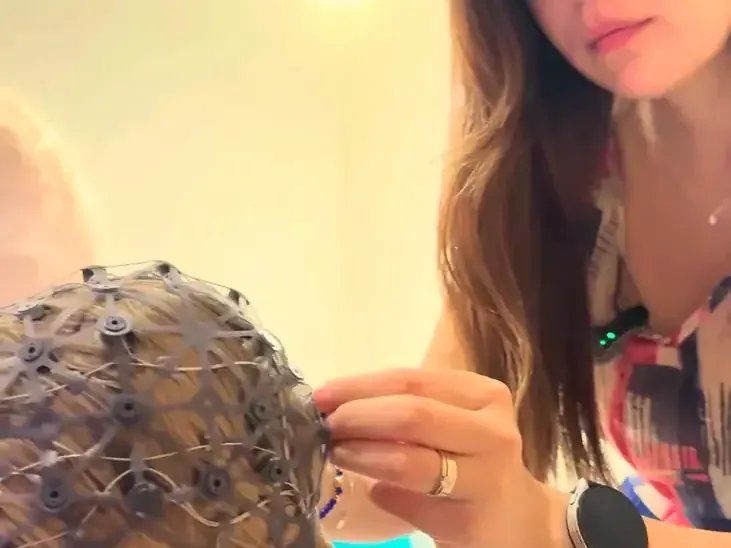
Self-regulation training when indicated. Evidence in OCD is still limited, so only alongside the core therapy.

If tests show a deficiency, the doctor and nutritionist choose iron, vitamin D, minerals, amino acids or omega-3. It does not replace psychotherapy.

For tummy complaints or picky eating: a microbiome test and a nutrition plan with a nutritionist.

Small groups: social skills, communication, emotional intelligence. There are support groups for parents too.
We will call during working hours to find a specialist, a day and a language.
We answer in English, Spanish, Catalan or Russian
or message us on WhatsApp
Message us on WhatsAppAfter the visit and assessment you leave with documents and a clear next step, not generalities.
What we saw, which causes were found or ruled out, and what it means for your child.
Who works with your child, which methods, how often, and goals for the coming weeks.
If tests or brain mapping were ordered: the results and a plain-language explanation.
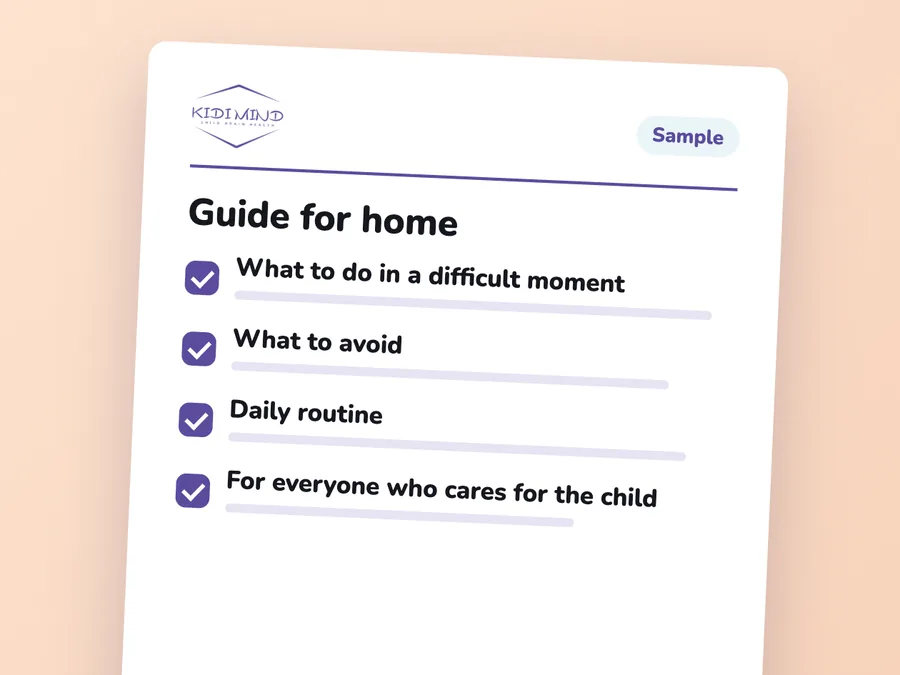
What to do and what to avoid in a hard moment. For parents, grandparents and carers.
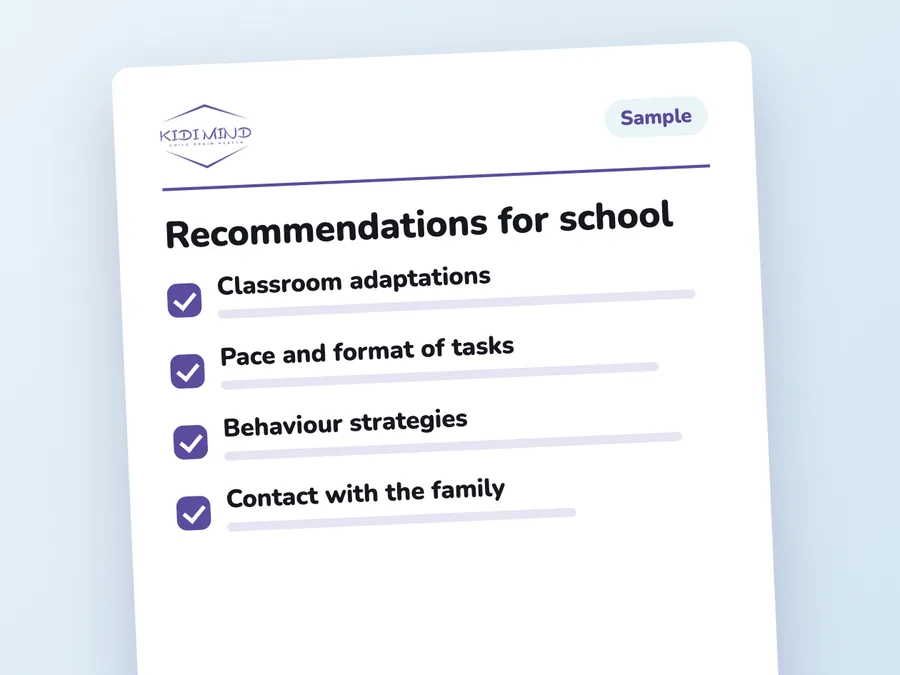
What the teacher can do to make learning easier. Shared with your consent.
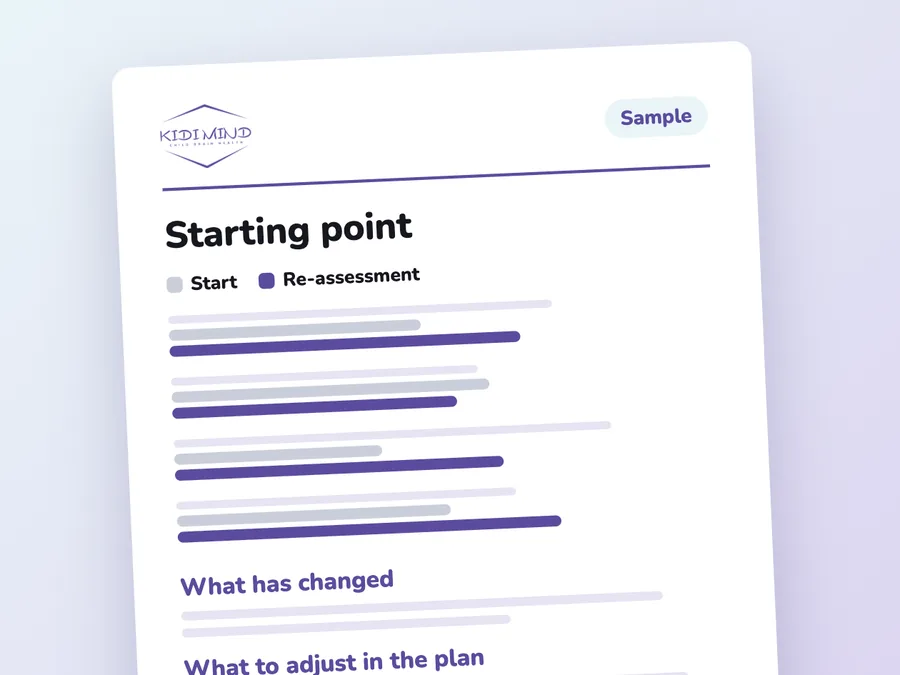
Scales at the start. After 8 to 12 weeks we repeat and compare: you see what is changing and what to adjust.
 01
A neurologist, psychologist, speech therapist, rehabilitation specialist, nutritionist, and geneticist hold a case conference for every child. The care plan is developed collaboratively.
02We combine genetics, metabolism, QEEG, neurofeedback, VR, and classical therapy into one plan for one child.
03Every method and technology is tested and used in real clinical practice. No pseudoscience.
Paediatrician - mental health (1st visit / follow-up / results)
50' / 30'
160 / 130 /100 €
Neuropsychologist (1st visit / follow-up)
50' / 40'
100 / 75 €
Clinical psychologist / ABA (1st visit / follow-up)
50' / 40'
90 / 75 €
Clinicians who see children in this area at our centre in Barcelona (Eixample). Reports can be written in English.
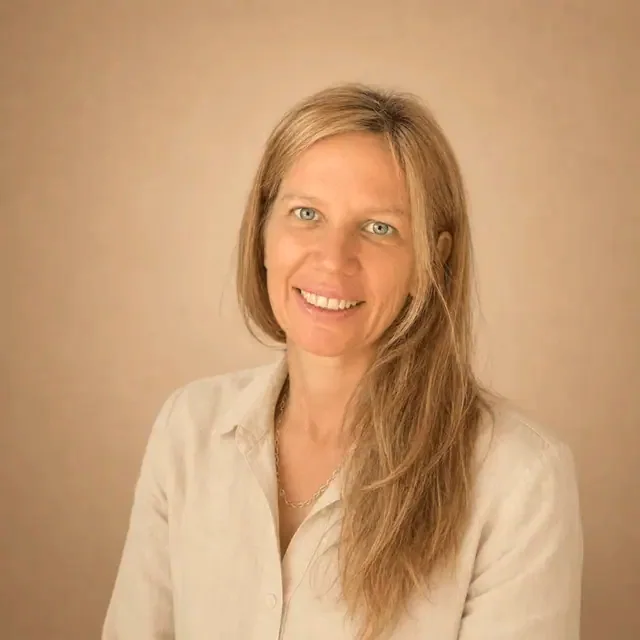
Pediatrician specialising in child mental health
Pediatrician and neonatologist, trained in child and adolescent neuropsychiatry, specializing in neurodevelopmental disorders (autism spectrum disorders, ADHD, anxiety disorders, and emotional regulation difficulties in teenagers).
Languages: Spanish, English
Patients: 0–18 years
Written report in English: yes
Professional registration number: 63497
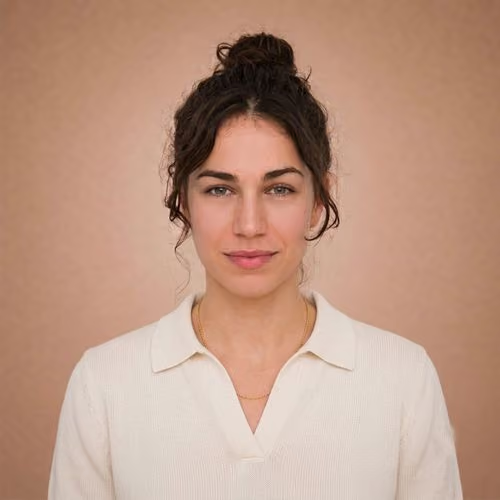
Neuropsychologist
With a warm, empathetic, and evidence-based approach, I support children, adolescents, and families through assessment and intervention processes, identifying both their needs and their strengths. My goal is to make daily life more manageable for neurodivergent individuals and their surroundings, promoting their wellbeing and quality of life.
Languages: Spanish, Catalan, English
Patients: 3–18 years
Written report in English: yes
Professional registration number: 30488
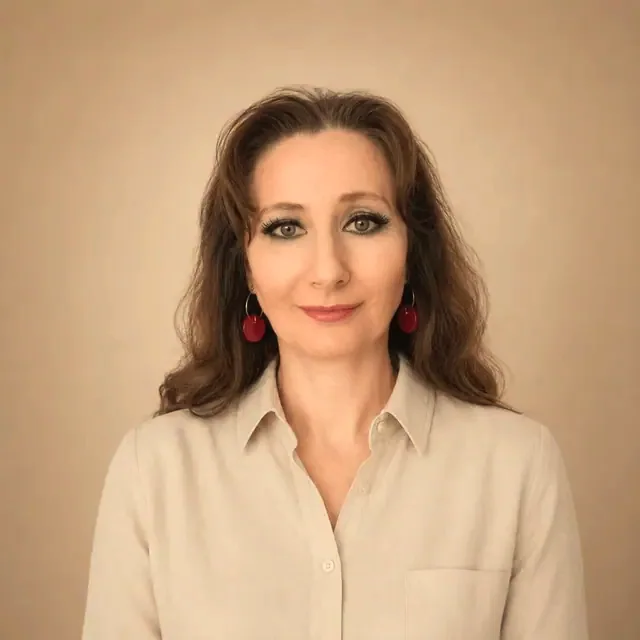
Child and Adolescent Psychologist
Clinical psychologist with over 24 years of practice, member of the Official College of Psychologists of Catalonia. Focus areas: psychotherapy for children and adolescents, anxiety disorders, trauma, ADHD, adjustment disorders, and family work. Integrative approach: CBT, ACT, trauma therapy, systemic family therapy.
Languages: Spanish, Russian, English in some cases
Patients: 3–18 years
Written report in English: yes
Professional registration number: 29589
The rest of the team
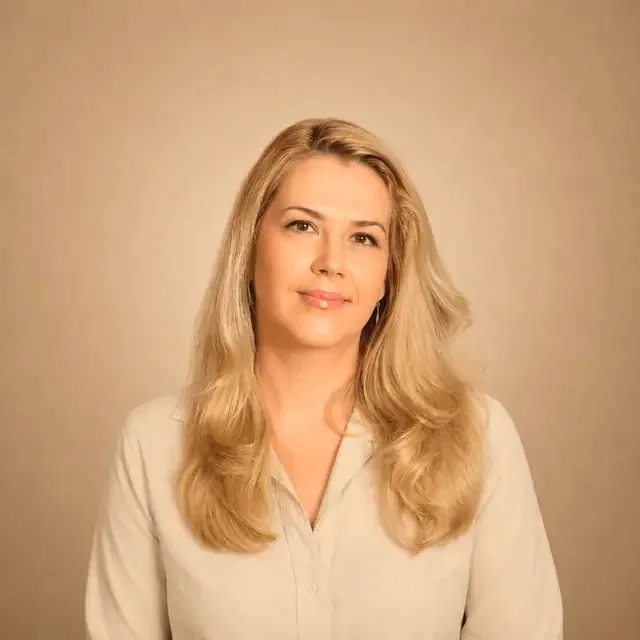
Medical Coordinator
Physician (MD), pediatric neurologist, epileptologist, specialist in rare genetic and metabolic disorders. PhD research fellow at Sant Joan de Déu Hospital, Barcelona, Spain.
Professional registration number: 51436
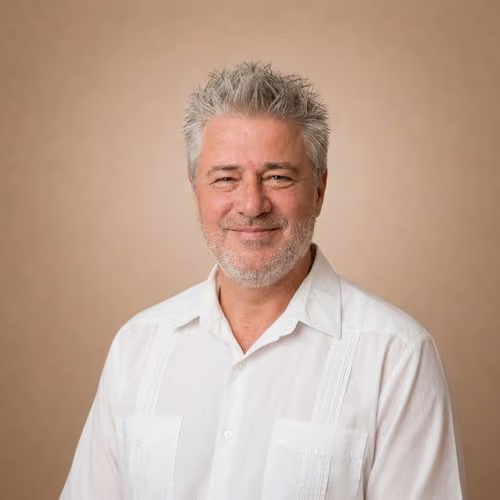
Advisor
Psychologist and Therapist for Adults, Couples, and Families Master's Degree in General Health Psychology, Master's Degree in Clinical and Health Psychology, and Postgraduate Training in Clinical Psychopathology. Specialist in Emergency Psychology and family interventions in high-complexity cases.
Professional Registration Number (COPCA): 17130
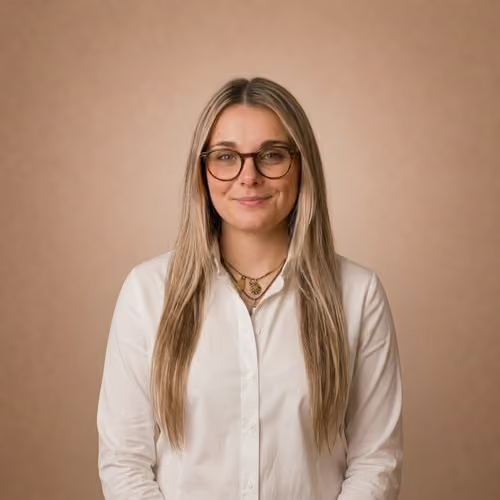
Sensory Integration Specialist / Occupational Therapist
My work consists of helping children develop the skills they need to participate in their daily lives with greater autonomy and wellbeing: playing, learning, building relationships, getting dressed, eating, resting, and enjoying their routines.
Professional registration number: 46201265
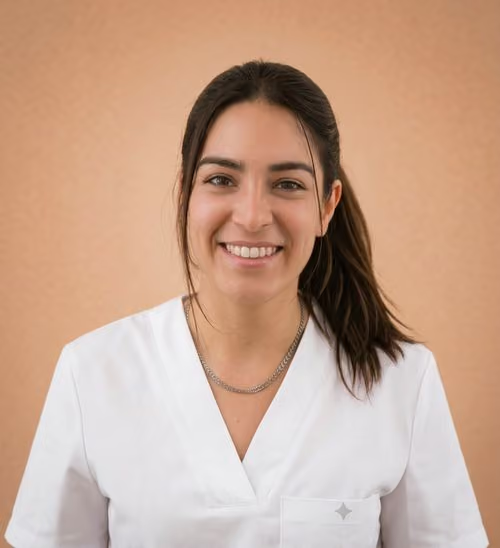
Pediatric Physiotherapist
Passionate about child neurodevelopment and supporting every child through their growth journey. I work with warmth, play, and movement, respecting each child's pace and needs, as well as those of their family.
Professional registration number: 18040
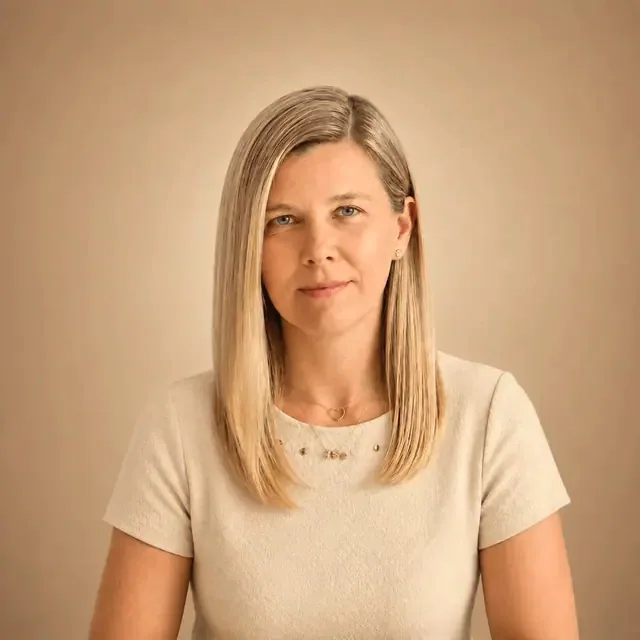
Clinical Coordinator
Clinical psychologist, specialist in pediatric intervention with experience working with children with ADHD, ASD, and learning difficulties. Focus areas: neurodevelopment, emotional regulation, and family support.
Professional Registration Number 36681
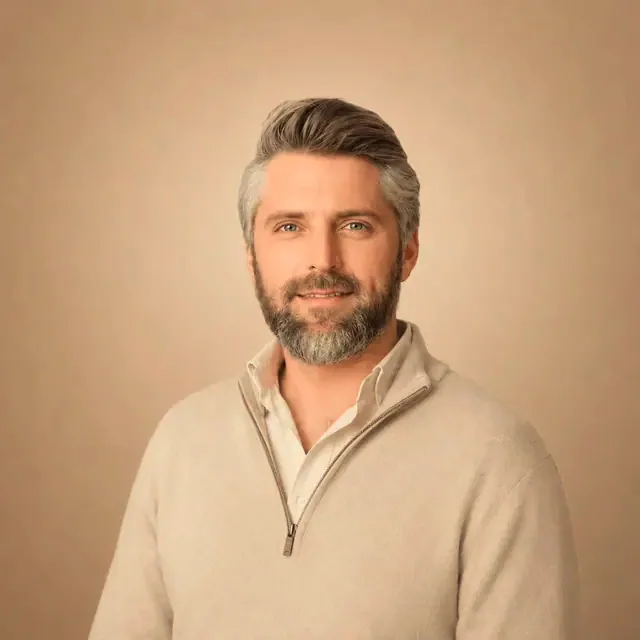
Chief Executive Officer (CEO)
International expert on the development of cognitive and behavioral skills of the human brain.
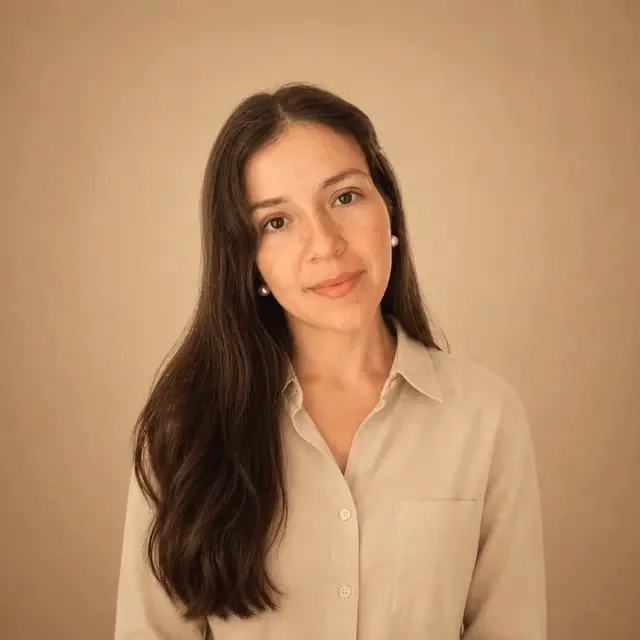
Dietitian
Expert in selective eating. Experience designing diets based on metabolism and microbiome analysis / experience working with individuals with autism and food selectivity.
Professional registration number: CAT002684
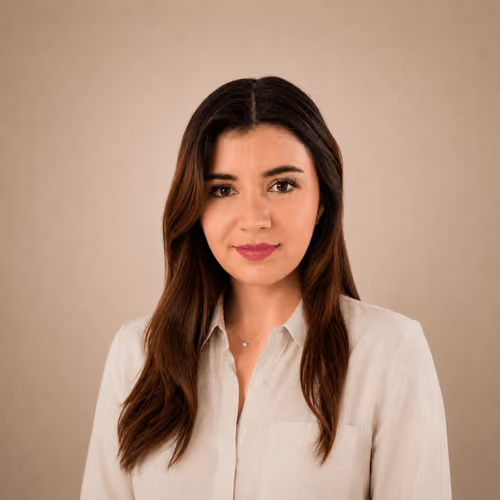
Neurofeedback and Brain Mapping Technician
Expert in neuropsychological diagnostics, cognitive rehabilitation, and neuromodulation with over 10 years of experience. Board-certified neurofeedback practitioner (BCN, BCIA). EMDR therapist. Master's student in Neurosciences.
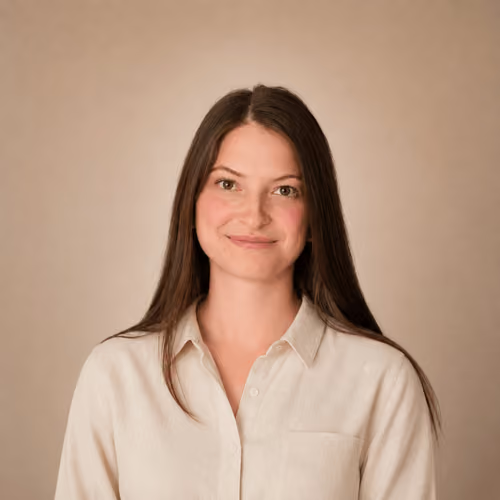
Pediatric Massage Therapist
Specialist in motor development for children from birth to 12 years. Over 11 years of clinical experience. Focus areas: motor developmental delays, movement disorders, and integration of primitive reflexes.
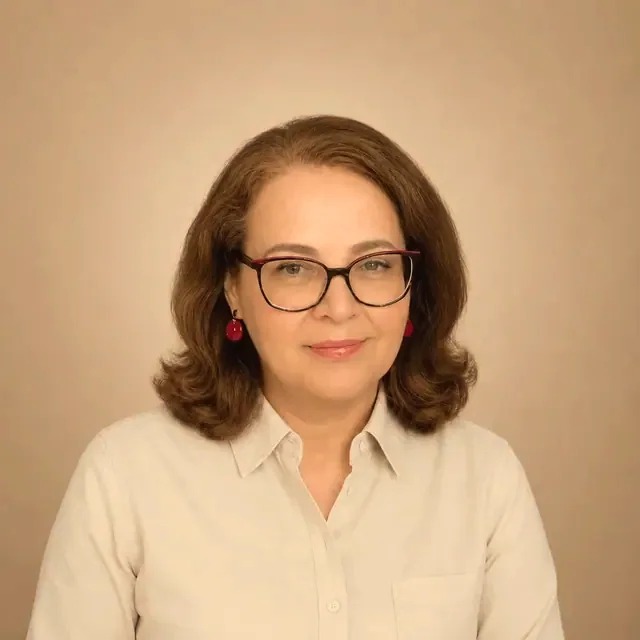
Pediatric Physician
Pediatrician with more than 35 years of experience in neonatology and intensive care. Focus areas: pediatric neurology, neonatology, and ultrasound diagnostics.
Professional registration number: 61652
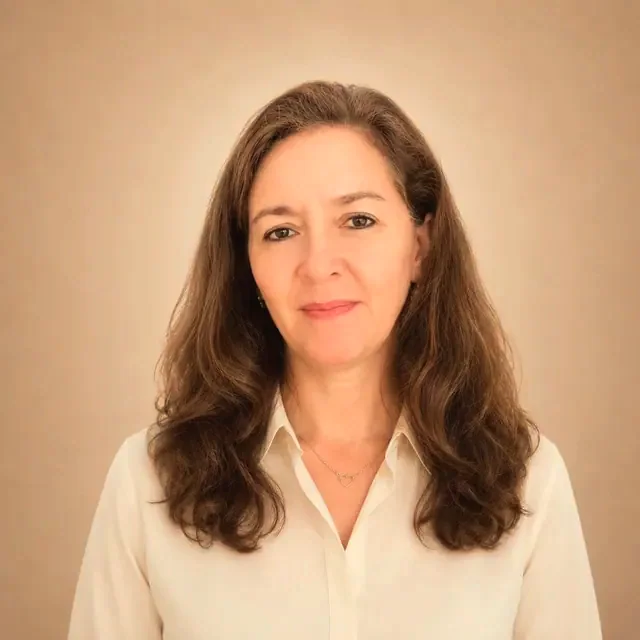
Physiotherapist
Over 20 years of experience in pediatric rehabilitation and special education. Specializes in enhancing mobility, fostering independence, and promoting inclusion for children with special needs.
Professional registration number: 18405
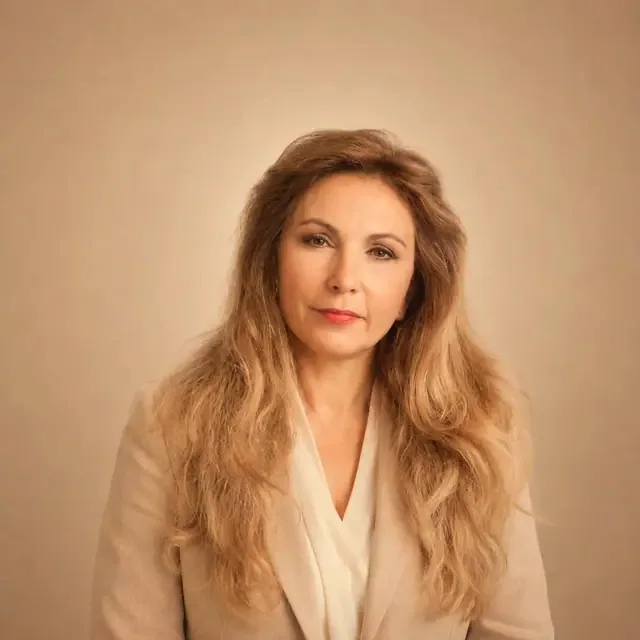
Psychiatrist
A psychotherapist with experience in the leading addiction treatment center in Europe. Specializes in the treatment of patients suffering from substance and behavioral addictions
Professional registration number: 49839
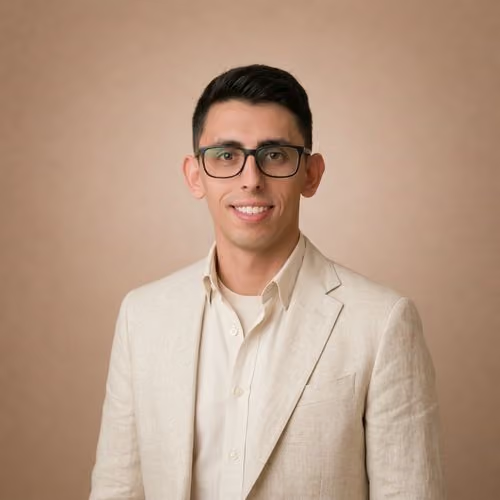
Licensed psychologist with a Master's degree in Forensic Psychology
Specializing in expert witness reports in civil, criminal, and family law contexts. He has over ten years of experience in clinical and socio-community psychology, primarily working with children and families in vulnerable situations. His approach integrates a systemic and psychodynamic perspective with cognitive-behavioral techniques. He works with children, adolescents, and adults, providing family support and individual psychotherapy.
Professional registration number: 32258
Pediatric neurologist
Languages: Spanish, English. Patients: 0–18 years.
Professional registration number: 66979

Speech therapist
Languages: Spanish, English. Patients: 3–18 years.
Professional registration number: 5343
Neuropsychologist
Professional registration number: 29591
Many children like order and familiar routines. OCD is different because the thoughts and actions cause significant anxiety or get in the way of life.
It is a natural wish to help, but this kind of giving in usually keeps OCD going. A specialist will show you how to reduce it step by step.
CBT with exposure is usually offered first. A child psychiatrist considers medication after diagnosis.
Calmly, without judging or teasing: children are often ashamed of these thoughts. Explain that it happens and that it can be overcome.
Spanish, Catalan and English; there is also a psychologist who works in Russian.
The information on this page does not replace a consultation with a specialist. A diagnosis cannot be made from a description, only after an in-person assessment.
If you are not in Barcelona or need a first conversation with a doctor: a consultation by video call.
Book a visit about obsessions and rituals
Book an initial consultation. In one visit, we'll take a full history, outline hypotheses, and explain which pathway is right for your child.
Google reviews
Real reviews from our Google profile, unedited and in the language they were written in.
This place actually felt warm and somewhat cozy, way different from the previous clinics I've been. The staff is nice too
We had a great experience working with Elena! She's a true professional who genuinely takes the time to understand your problem instead of just going through the motions. Only positive impressions, highly recommend!
Un centro nuevo de rehabilitacion y salud mental infantil, diria que segun concepto que tiene es único en España. no he visto en ningún lugar que hay especialistas de todo tipo y de alto nivel profesional y humano en un centro. Muy recomendable