EN
WhatsAppBook online
KidiMind · Metabolism Plus

Metabolic test for children without a vein puncture

Tantrums, delayed speech and difficulty concentrating are not always simply part of a child's personality. The brain depends on what the body provides. Without looking at biological factors, we may be missing part of the picture.
Metabolism Plus is a metabolic test for children: a finger-prick blood sample, urine and saliva, all collected by a paediatrician at KidiMind in Barcelona, with no blood drawn from a vein. Price: 850 €, including a consultation with our coordinator and a results review with a doctor.
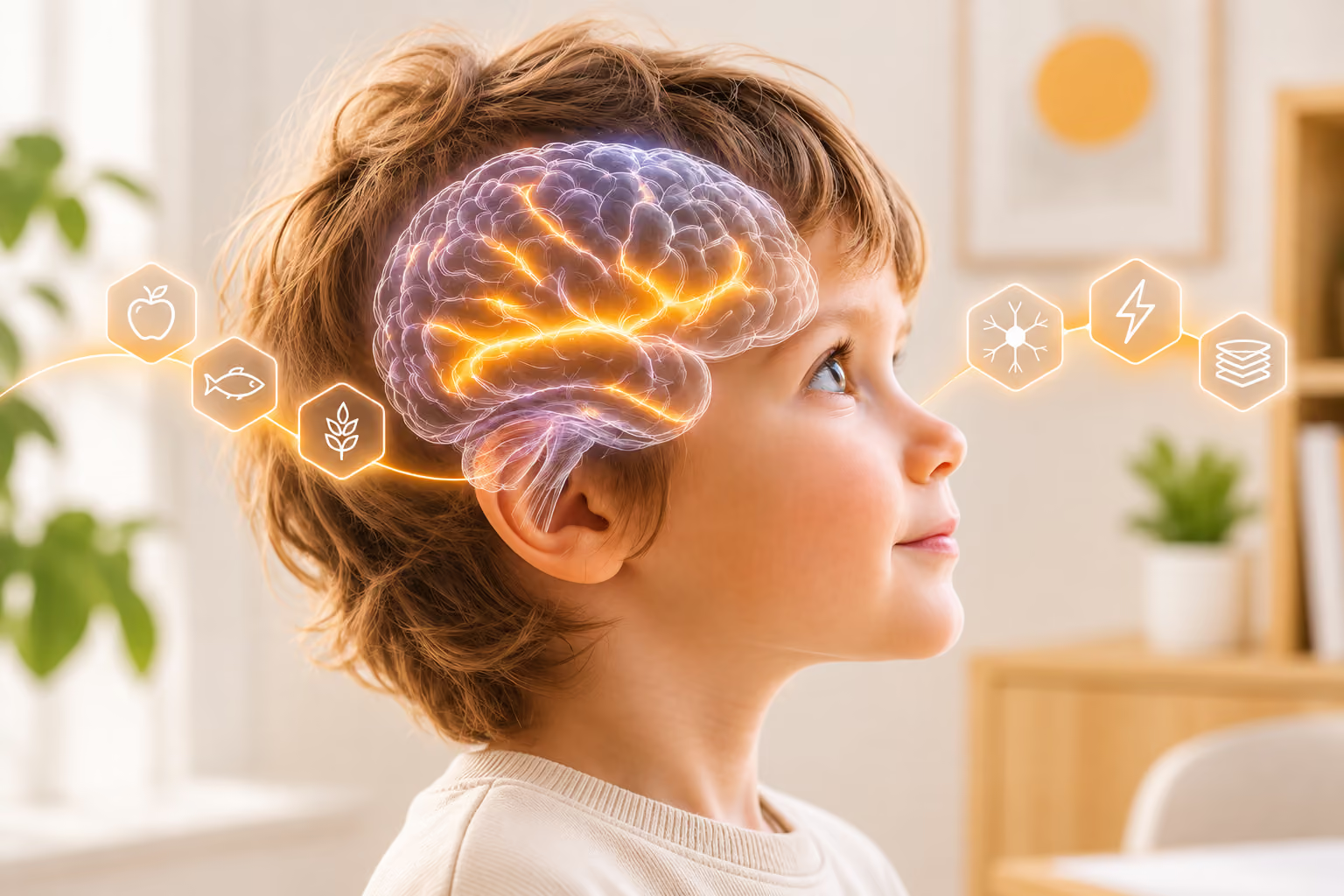
Boy with an illustration of how nutrition fuels the brain
15+
markers from a finger-prick blood sample, plus an acylcarnitine profile
26
urine markers
6
genetic markers relevant to childhood
0
venous blood draws
Different causes, similar symptoms

One symptom, several possible causes

Difficulty concentrating is a common concern, but there can be several underlying causes. It is important to consider the whole picture rather than treating symptoms through trial and error.
Brain
Differences in neurological regulation, including ADHD, can be assessed through a neurological examination and psychological assessment.
Body
Possible vitamin B12 or iron deficiency, metabolic disorders or thyroid problems. Metabolism Plus and targeted tests can help investigate these factors.
Sleep
Chronic sleep deprivation or restless sleep. Physical health and metabolism can affect sleep quality.
Emotions
Anxiety, overwhelm and stress are explored during a psychological assessment.
A psychologist assesses behaviour and a neurologist examines brain function. But if the brain lacks essential nutrients, the cause may remain hidden without biological testing. At KidiMind, one multidisciplinary team considers all four areas.
A gentle approach

Blood tests can be particularly difficult for children

Children with sensory sensitivities, anxiety or difficult past experiences may find blood tests especially challenging. Fear of needles and repeated attempts to find a small vein can delay testing for months, even when investigating biological factors is important.
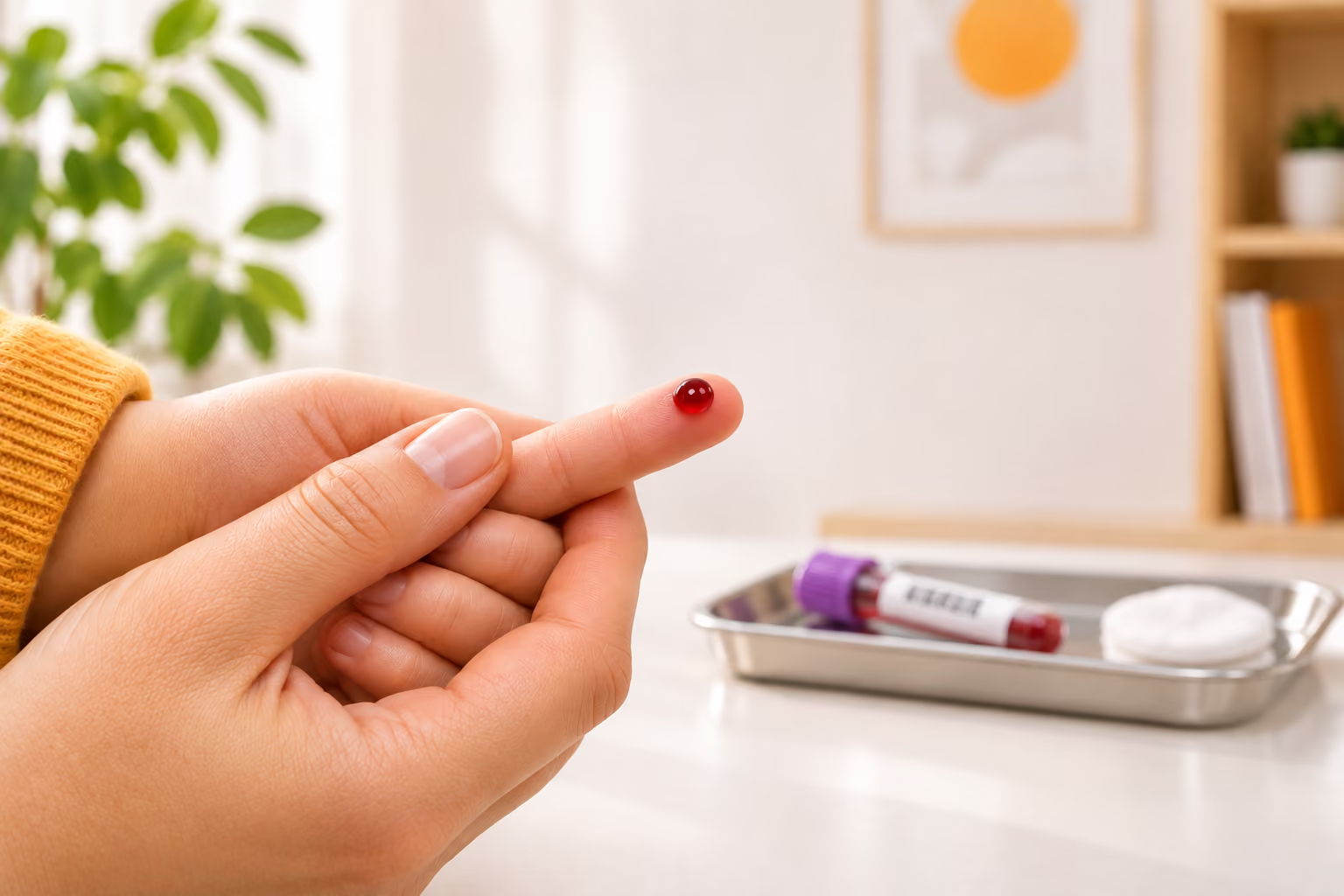
Finger-prick blood sample collection for Metabolism Plus
Many children are afraid of needles
According to a systematic review, needle fear affects most children and 20–50% of adolescents.
Sensory sensitivities can make it even harder
A tourniquet, a needle, an unfamiliar person and having to stay still can feel overwhelming. Children may need extra time and an individual sensory support plan.
Small veins can mean repeated attempts
Finding a vein in a young child can be difficult, and an upsetting experience may increase anxiety about future procedures.
Testing may be postponed for months
After a distressing experience, families may delay further testing, leaving biological factors unexplored.
The body–brain connection

The brain depends on what the body provides

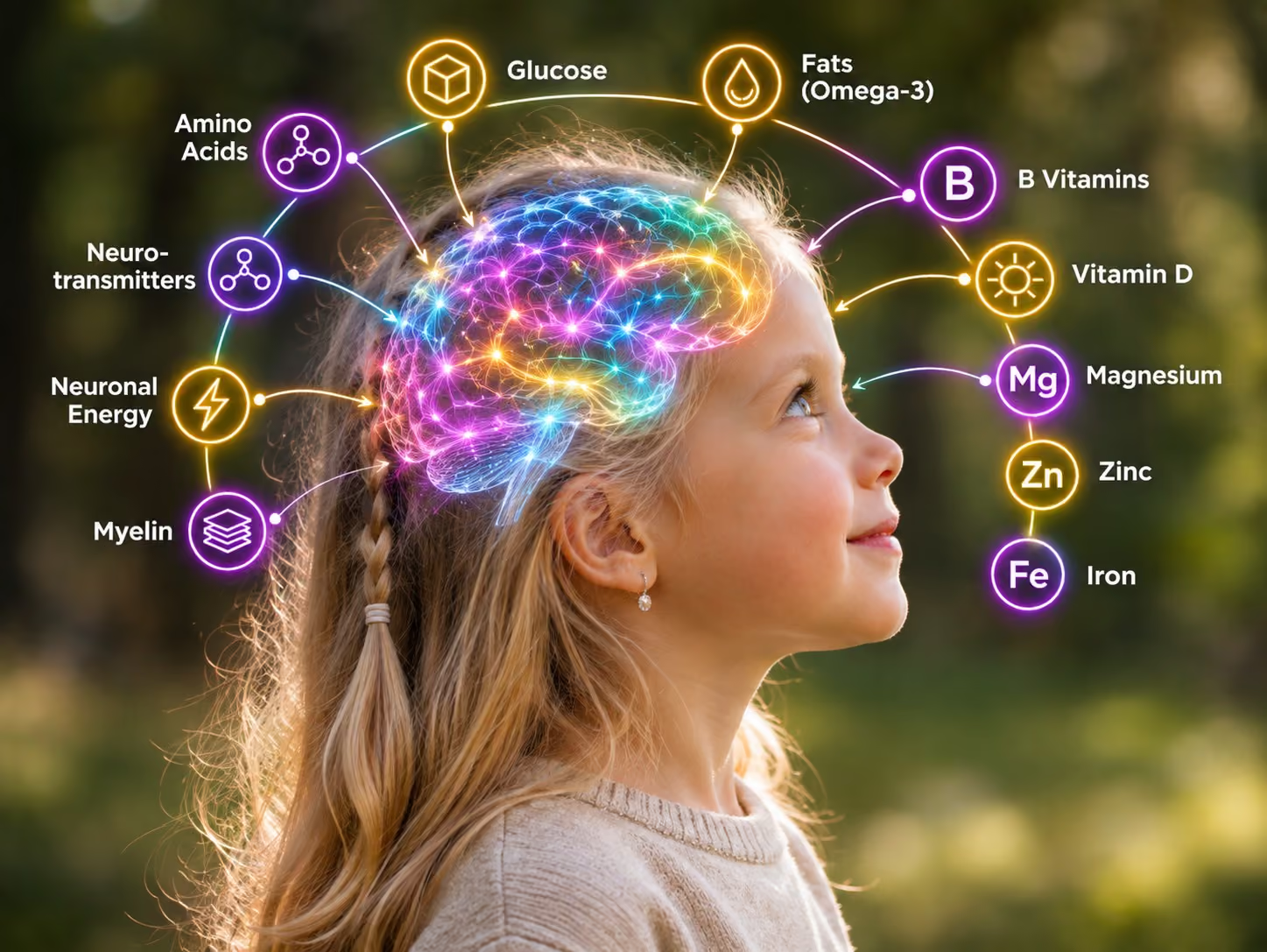
Neurotransmitters, energy for nerve cells and myelin all rely on building blocks such as amino acids, glucose and fats. Vitamins and minerals help the body turn these building blocks into the substances the brain needs. Missing nutrients can disrupt these processes, potentially affecting behaviour.
Building blocksEssential cofactors: vitamins and mineralsWhat the body producesWhat parents may notice
TryptophanIron, B6Serotonin, melatoninMood, sleep onset
TyrosineIron, B6, copper, vitamin CDopamine, noradrenalineAttention, motivation
GlutamateB6GABAAbility to calm down and regulate responses
GlucoseB1, iron, magnesiumEnergy for neuronsStamina, concentration
Fats, proteinsIron, B12, omega-3MyelinProcessing speed, development
Illustration of nutrition and nutrients involved in metabolism
Without the building blocks, the process cannot work
Vitamin and protein deficiencies may contribute to difficulties that can be addressed. When a deficiency is confirmed, a doctor can recommend appropriate treatment.
Some causes of developmental difficulties are treatable
A 2021 review identified 116 inherited metabolic conditions associated with intellectual developmental difficulties for which treatments may be available. Some can be investigated using amino acid and organic acid markers.
Medicines affect children differently
Some genetic variants influence how quickly the body processes medicines. CPIC provides pharmacogenetic prescribing guidance for certain drugs.

Biology is part of the bigger picture

Explore what may be contributing to your child's behaviour, without a venous blood draw.
What's included in the test

Metabolism Plus: essential insights without a venous blood draw

We have selected markers that can be measured directly from these samples and have established clinical relevance for children. Each sample provides different information.
Girl with a diagram of amino acids, glucose, fats, vitamins and minerals the brain needs
Finger-prick blood sample
15 markers + acylcarnitines

14 amino acids are building blocks for neurotransmitters and can help identify inherited metabolic conditions:
phenylalanine, tyrosine, leucine and isoleucine, valine, methionine, arginine, glycine, serine,
proline, threonine, histidine, lysine, tryptophan and taurine.

‍
Free carnitine supports cellular energy metabolism.

‍

Acylcarnitine profile shows how the body uses fats for energy. It can help identify fatty acid oxidation disorders and certain organic acidemias.

‍
The same technology is used in newborn screening.

Urine sample on a test card
26 markers

Organic acids: functional markers of vitamin B12 (methylmalonic
acid), folate (FIGLU), biotin (3-hydroxyisovaleric acid) and B6 (xanthurenic acid); energy metabolism indicators; and markers of inherited metabolic conditions
(including orotic, glutaric and ethylmalonic acids).

‍
These markers can help assess whether vitamins are being used effectively in cells; they do not directly measure vitamin
concentrations.

Saliva
6 genetic markers

How your child metabolises medicines: CYP2D6, CYP2C19, CYP2C9 and CYP3A5.

‍
Genetic susceptibility to coeliac disease: HLA-DQ2.5, DQ2.2 and DQ8.

‍
Genetic predisposition to lactose intolerance: variants of the MCM6 gene, which regulates lactase production.

‍
Generally informative from age 5–6. We focus on findings relevant to childhood, not predictions about adult-onset conditions.

Markers and behaviour

How biological factors may affect behaviour

We investigate biological factors that may contribute to common concerns raised by parents. A single marker is not a diagnosis: the doctor interprets it in the context of the child's overall health.
Sample type:Finger prickUrineSalivaVenous blood, if needed
Speech or developmental delay, or loss of acquired skills
Methylmalonic acid Urine
May indicate functional vitamin B12 deficiency, especially with a very restricted diet.
Amino acids, carnitine and organic acids Finger prick Urine
Screening for potentially treatable inherited metabolic conditions.
3-hydroxyisovaleric acid Urine
May indicate biotin or biotinidase deficiency, which requires further assessment.
Thyroid hormones, ferritin Venous blood
If clinically indicated.
Tantrums, irritability and emotional outbursts
HLA-DQ2/DQ8 Saliva
Coeliac disease can sometimes cause irritability and abdominal pain. A negative HLA result makes coeliac disease very unlikely.
Lactase gene Saliva
Lactose intolerance can cause abdominal pain and bloating. Genetic testing is generally more informative from age 5–6.
Orotic acid Urine
Rare but important: a possible urea cycle disorder, which may involve episodes of lethargy or agitation and avoidance of meat.
Inattention, impulsivity and ADHD
Ferritin Venous blood
A 2018 meta-analysis found lower average ferritin levels in children with ADHD than in their peers. Iron is involved in dopamine production.
Tyrosine, phenylalanine Finger prick
These are precursors involved in dopamine synthesis. Disorders of phenylalanine metabolism can affect attention.
CYP2D6, CYP2C19 Saliva
If medication is being considered, genetic information may help guide prescribing rather than relying solely on trial and error.
Selective eating, fatigue and low muscle tone
Amino acids Finger prick
Helps assess whether protein intake supports growth and brain function.
Free carnitine Finger prick
Levels may be reduced with a restricted diet, ketogenic diet or valproate treatment.
Acylcarnitine profile Finger prick
Fatigue that worsens during fasting or illness, combined with low muscle tone, may suggest difficulty using fat for energy.
Methylmalonic acid, FIGLU Urine
Functional markers of vitamin B12 and folate deficiency.
CYP2D6 Saliva
Risperidone and aripiprazole may be prescribed for certain symptoms associated with autism. CYP2D6 can influence how these medicines are metabolised.
Illustrative clinical scenarios

Three scenarios: what the tests showed and what changed

These examples illustrate typical clinical scenarios and do not describe real patients.
Only eight foods in his diet, and an unsuccessful blood test
Before
He ate only eight foods. He was tired during the day and had emotional outbursts in the evening. Two attempts to draw blood involved three adults holding him still, so his family postponed a third attempt for a year.
Samples collected: a finger prick in a sensory-friendly room, taking less than a minute, with urine and saliva collected during the same visit.
What we found
Finger prick Low free carnitine.
Urine Elevated methylmalonic acid, suggesting functional B12 deficiency.
Finger prick Essential amino acids at the lower end of the normal range.
What happened next
The plan included B12 and carnitine supplementation, a nutrition specialist and occupational therapy to gradually broaden his diet. B12 status was confirmed through a targeted blood draw with numbing cream and a sensory support plan.
After three months, methylmalonic acid had returned to normal and he was eating 14 different foods.
An ADHD medicine that seemed to make things worse
Before
At the standard dose of atomoxetine, he experienced nausea and sleepiness at school. His family were considering stopping treatment.
Samples collected: saliva at the centre, without needles.
What we found
Saliva CYP2D6 poor-metaboliser status. The medicine is processed more slowly than usual, potentially increasing exposure.
What happened next
The doctor adjusted the dose according to international CPIC guidance.
The side effects resolved. His genotype remains unchanged and can inform future prescribing decisions.
‘Fussiness’, refusing meat and unusual episodes of lethargy
Before
She had episodes of irritability and, during colds or after eating meat, lethargy and vomiting. She avoided meat. Born outside Spain, she had not undergone expanded newborn screening.
Samples collected: finger-prick blood and urine samples at the centre.
What we found
Urine Elevated orotic acid, a possible sign of a urea cycle disorder.
What happened next
Urgent consultation with a metabolic specialist and confirmation through ammonia, plasma amino acid and genetic tests. The diagnosis was partial ornithine transcarbamylase (OTC) deficiency. Treatment included a medically supervised protein-controlled diet and a written emergency plan for illness.
Her avoidance of meat was a protective response rather than difficult behaviour.
Four steps

What to expect during the assessment

Finger-prick blood sample collection for Metabolism Plus
01
Coordinator consultation
Our coordinator goes through your concerns and your child's history, explains how the assessment works and books the sample collection.
02
Sample collection at the centre
A paediatrician collects a finger-prick blood sample, urine and saliva during one visit, ideally in the morning before eating.
03
Laboratory analysis
Samples are analysed by our partner laboratory BYGENS. Results usually take around four weeks.
04
Results consultation
The doctor explains the results, any findings that may need confirmation, possible treatments and next steps.

World-class expert team

Doctors and therapists with international experience. Every child is supported by the entire team.

On this topic

Tanía Belen San Martín Godoy

Tanía Belen San Martín Godoy

Dietitian

Expert in selective eating. Experience designing diets based on metabolism and microbiome analysis / experience working with individuals with autism and food selectivity.

Professional registration number: CAT002684
Mariya Sigatullina Bondarenko

Mariya Sigatullina Bondarenko

Medical Coordinator

Physician (MD), pediatric neurologist, epileptologist, specialist in rare genetic and metabolic disorders. PhD research fellow at Sant Joan de Déu Hospital, Barcelona, Spain.

Professional registration number: 51436
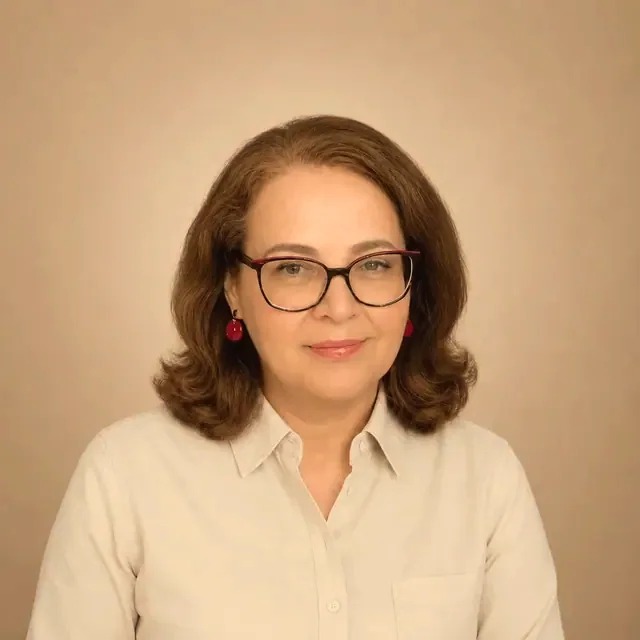
Victoria Shostak

Victoria Shostak

Pediatric Physician

Pediatrician with more than 35 years of experience in neonatology and intensive care. Focus areas: pediatric neurology, neonatology, and ultrasound diagnostics.

Professional registration number: 61652

The rest of the team

Lluís Domingo López

Lluís Domingo López

Advisor

Psychologist and Therapist for Adults, Couples, and Families Master's Degree in General Health Psychology, Master's Degree in Clinical and Health Psychology, and Postgraduate Training in Clinical Psychopathology. Specialist in Emergency Psychology and family interventions in high-complexity cases.

Professional Registration Number (COPCA): 17130
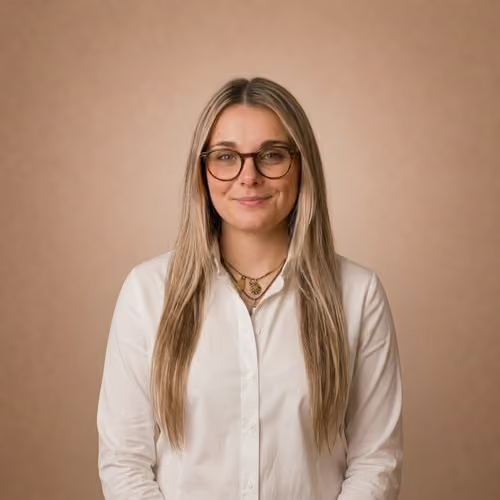
Maya Gorriz Ponce

Maya Gorriz Ponce

Sensory Integration Specialist / Occupational Therapist

My work consists of helping children develop the skills they need to participate in their daily lives with greater autonomy and wellbeing: playing, learning, building relationships, getting dressed, eating, resting, and enjoying their routines.

Professional registration number: 46201265

Mariona Pero Navarra

Mariona Pero Navarra

Neuro­psychologist

With a warm, empathetic, and evidence-based approach, I support children, adolescents, and families through assessment and intervention processes, identifying both their needs and their strengths. My goal is to make daily life more manageable for neurodivergent individuals and their surroundings, promoting their wellbeing and quality of life.

Professional registration number: 30488
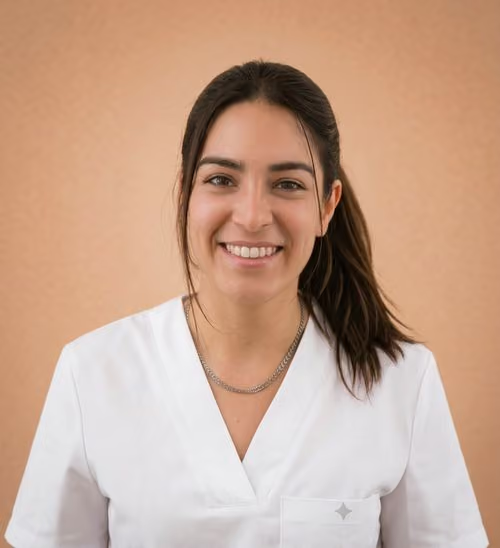
Flaminia Gambino

Flaminia Gambino

Pediatric Physiotherapist

Passionate about child neurodevelopment and supporting every child through their growth journey. I work with warmth, play, and movement, respecting each child's pace and needs, as well as those of their family.

Professional registration number: 18040
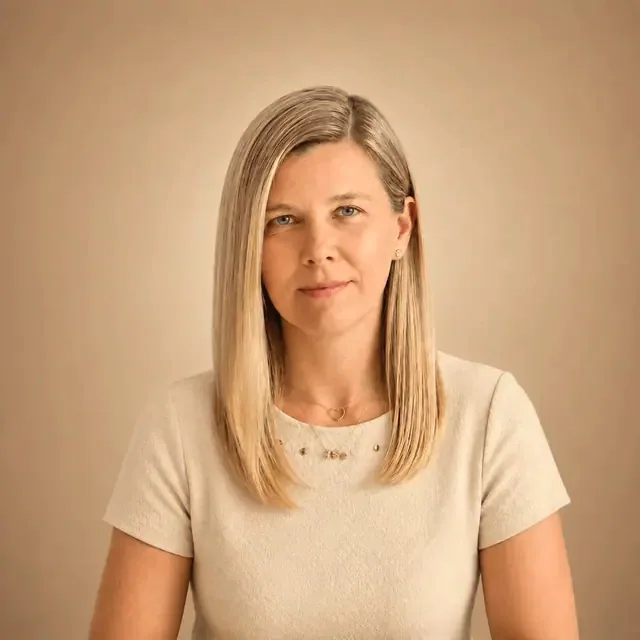
Anna Bombardó Castells

Anna Bombardó Castells

Clinical Coordinator

Clinical psychologist, specialist in pediatric intervention with experience working with children with ADHD, ASD, and learning difficulties. Focus areas: neurodevelopment, emotional regulation, and family support.

Professional Registration Number 36681

Igor Dolgushin

Igor Dolgushin

Chief Executive Officer (CEO)

International expert on the development of cognitive and behavioral skills of the human brain.
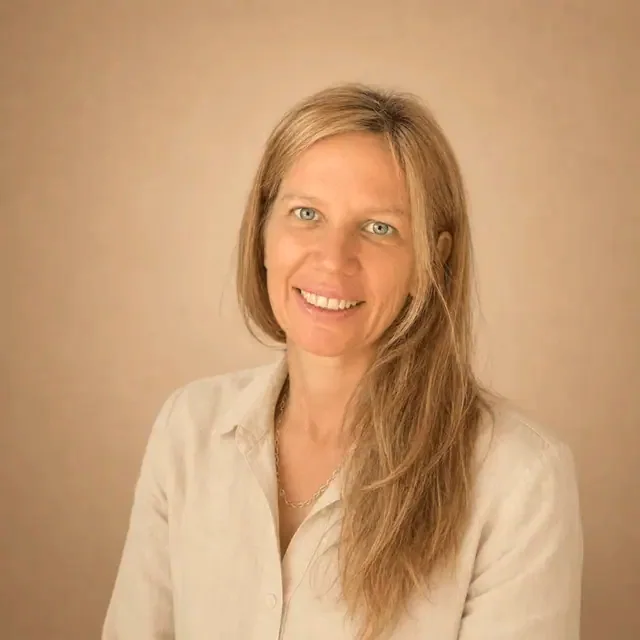
Patricia Mariana Riesco Villano

Patricia Mariana Riesco Villano

Pediatrician specialising in child mental health

Pediatrician and neonatologist, trained in child and adolescent neuropsychiatry, specializing in neurodevelopmental disorders (autism spectrum disorders, ADHD, anxiety disorders, and emotional regulation difficulties in teenagers).

Professional registration number: 63497

Daniela Penetre Gonzalez

Daniela Penetre Gonzalez

Neurofeedback and Brain Mapping Technician

Expert in neuropsychological diagnostics, cognitive rehabilitation, and neuromodulation with over 10 years of experience. Board-certified neurofeedback practitioner (BCN, BCIA). EMDR therapist. Master's student in Neurosciences.

Olesya Zaitseva

Olesya Zaitseva

Pediatric Massage Therapist

Specialist in motor development for children from birth to 12 years. Over 11 years of clinical experience. Focus areas: motor developmental delays, movement disorders, and integration of primitive reflexes.
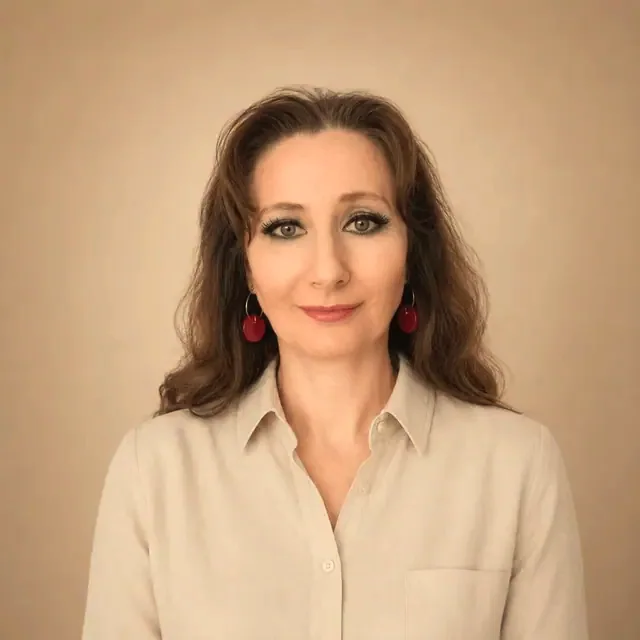
Elena Eremicheva

Elena Eremicheva

Child and Adolescent Psychologist

Clinical psychologist with over 24 years of practice, member of the Official College of Psychologists of Catalonia. Focus areas: psychotherapy for children and adolescents, anxiety disorders, trauma, ADHD, adjustment disorders, and family work. Integrative approach: CBT, ACT, trauma therapy, systemic family therapy.

Professional registration number: 29589
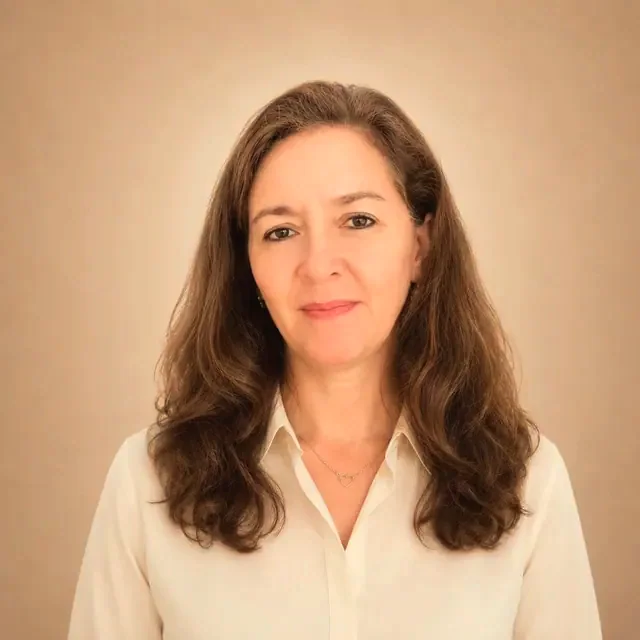
Monica Yaneth Ovalle Collazos

Monica Yaneth Ovalle Collazos

Physiotherapist

Over 20 years of experience in pediatric rehabilitation and special education. Specializes in enhancing mobility, fostering independence, and promoting inclusion for children with special needs.

Professional registration number: 18405
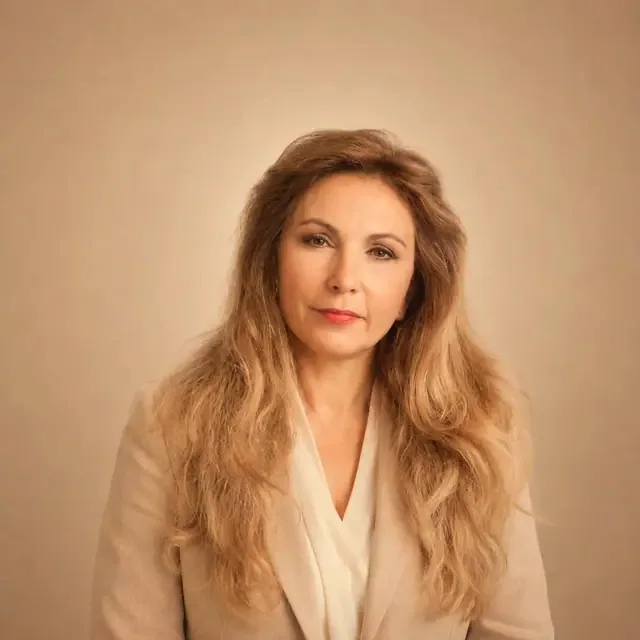
Margarita Roscach

Margarita Roscach

Psychiatrist

A psychotherapist with experience in the leading addiction treatment center in Europe. Specializes in the treatment of patients suffering from substance and behavioral addictions

Professional registration number: 49839

Juliano Enrique Valenzuela Rebolledo

Juliano Enrique Valenzuela Rebolledo

Licensed psychologist with a Master's degree in Forensic Psychology

Specializing in expert witness reports in civil, criminal, and family law contexts. He has over ten years of experience in clinical and socio-community psychology, primarily working with children and families in vulnerable situations. His approach integrates a systemic and psychodynamic perspective with cognitive-behavioral techniques. He works with children, adolescents, and adults, providing family support and individual psychotherapy.

Professional registration number: 32258

Ana Gabriela Lungo Peccorini

Ana Gabriela Lungo Peccorini

Pediatric neurologist

Languages: Spanish, English. Patients: 0–18 years.

Professional registration number: 66979

Jessica Lollet

Jessica Lollet

Speech therapist

Languages: Spanish, English. Patients: 3–18 years.

Professional registration number: 5343

Leanny Yahel Rodríguez Pérez

Leanny Yahel Rodríguez Pérez

Neuro­psychologist

Professional registration number: 29591

Metabolism Plus

One visit for sample collection, laboratory testing and a consultation to discuss the results.
Thank you! We've received your enquiry.
There was a problem submitting the form. Please try again.
What's included
Support at every stage
  • 1 consultation with our coordinator.
  • Collection of all three samples by a paediatrician at the centre.
  • Laboratory testing.
  • Results consultation with a doctor.
Price: 850 €, including a consultation with our coordinator and a results review with a doctor. Ask our coordinator about appointment availability.
Good to know

Frequently asked questions

Does it hurt?
A finger prick feels like a brief pinch. We give your child time and adapt to their sensory needs.
How much does Metabolism Plus cost?
850 €. This includes a consultation with our coordinator, collection of all three samples at the centre, laboratory testing and a results review with a doctor.
Why are samples collected at the centre?
Our paediatrician makes sure samples are collected, dried and labelled correctly. Your child stays close to the clinician throughout.
Does my child need to fast?
Ideally, samples are taken in the morning before eating to improve the accuracy of amino acid measurements. We'll help arrange a suitable time.
How is a urine sample collected from a young child?
Our paediatrician can help fit a paediatric urine collection bag and collect the sample.
When will the results be ready?
Usually around four weeks after sample collection.
Why does my child need genetic testing?
Only markers relevant to childhood are tested, including how certain medicines are metabolised and genetic susceptibility to coeliac disease. Testing requires written parental consent and a medical consultation.
Does my child need to be an existing KidiMind patient?
No. Metabolism Plus is also available as a standalone assessment.
What happens if the results show an abnormality?
The doctor will explain what the result may mean and, if necessary, recommend confirmatory testing at a specialist laboratory and a follow-up plan.
Will blood need to be drawn from a vein?
Standard Metabolism Plus testing does not require blood drawn from a vein. If ferritin, thyroid hormones or confirmatory tests are needed, the doctor may recommend a separate targeted blood test.

Biology is part of the bigger picture

Explore what may be contributing to your child's behaviour, without a venous blood draw.